
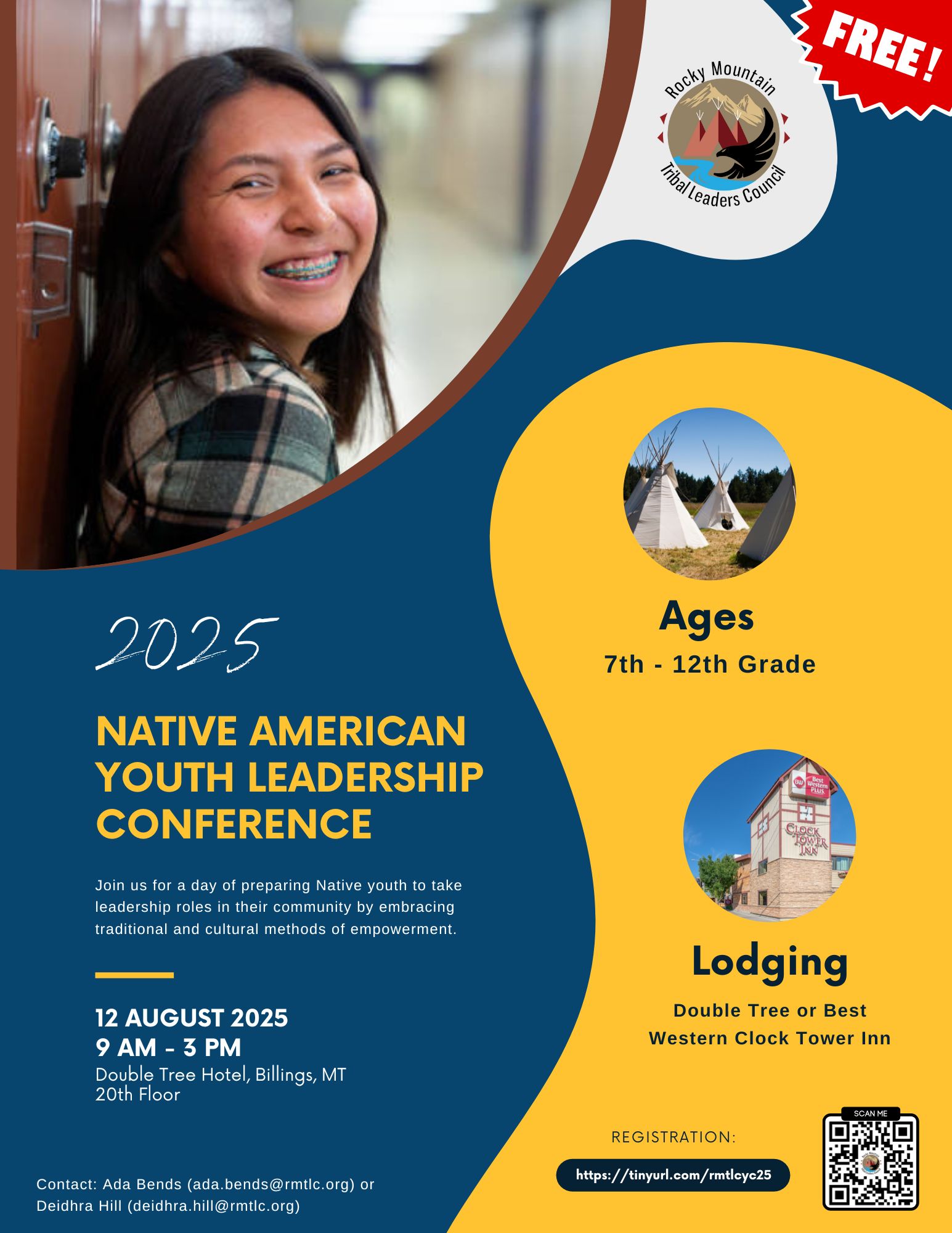
Indian Reservations, often facing unique socio-economic challenges, recognize the critical importance of investing in their youth. Youth programs on Indian Reservations serve as vital pillars, providing essential support, resources, and opportunities for young Native Americans to thrive. These programs address a wide array of needs, from educational enrichment and cultural preservation to health and wellness and leadership development. This comprehensive guide delves into the multifaceted world of youth programs on Indian Reservations, exploring their significance, challenges, successes, and future directions.
The Importance of Youth Programs
Youth programs on Indian Reservations play a crucial role in shaping the future of Native American communities. These programs act as a safety net, offering alternatives to negative influences and promoting positive development. They provide a platform for young people to connect with their culture, build self-esteem, and acquire the skills necessary to succeed in a rapidly changing world. By investing in youth, reservations are investing in their long-term sustainability and prosperity.
Addressing Unique Challenges
Native American youth often face a unique set of challenges, including poverty, historical trauma, limited access to resources, and cultural disconnection. Youth programs are designed to address these challenges head-on, providing culturally relevant support and interventions. They offer a safe and supportive environment where young people can heal, learn, and grow.
Types of Youth Programs on Indian Reservations

- After-school programs: Providing homework help, academic enrichment activities, and a safe place to learn.
- Summer learning programs: Preventing summer learning loss and providing opportunities for advanced study.
- STEM programs: Encouraging interest in science, technology, engineering, and mathematics.
- Language immersion programs: Revitalizing indigenous languages.
- Traditional arts and crafts workshops: Teaching traditional skills such as weaving, pottery, and beadwork.
- Cultural camps and festivals: Celebrating Native American culture and traditions.
- Substance abuse prevention programs: Educating youth about the dangers of drugs and alcohol.
- Mental health counseling: Providing individual and group therapy to address mental health issues.
- Nutrition education programs: Promoting healthy eating habits.
- Sports and recreation programs: Encouraging physical activity and teamwork.
- Youth councils: Providing a platform for youth to voice their opinions and concerns.
- Mentoring programs: Connecting youth with adult role models.
- Civic engagement projects: Engaging youth in community service and advocacy.
Examples of Successful Youth Programs
The Boys & Girls Clubs of Native America: This organization provides a safe and supportive environment for Native American youth, offering a wide range of programs and services.
The Native American Basketball Invitational (NABI): This annual basketball tournament brings together Native American youth from across the country, promoting sportsmanship, teamwork, and cultural exchange.
The Tribal Youth Resource Center (TYRC): This center provides training and technical assistance to tribal youth programs, helping them to improve their effectiveness and sustainability.
Addressing Common Questions (People Also Ask)

What are the main challenges facing Native American youth today?
Native American youth face a multitude of challenges, including poverty, historical trauma, discrimination, substance abuse, and limited access to education and healthcare. These challenges can have a significant impact on their well-being and future prospects.
How can youth programs help address these challenges?
Youth programs can play a vital role in addressing these challenges by providing culturally relevant support, resources, and opportunities. They can help young people heal from trauma, build self-esteem, develop essential skills, and connect with their culture.
What are the key elements of effective youth programs on Indian Reservations?
Effective youth programs on Indian Reservations are culturally responsive, community-based, and youth-led. They involve collaboration between tribal leaders, community members, and youth themselves. They also prioritize building strong relationships, providing individualized support, and celebrating Native American culture and traditions.
How can I support youth programs on Indian Reservations?
There are many ways to support youth programs on Indian Reservations, including volunteering your time, donating money, advocating for policies that support Native American youth, and raising awareness about the challenges they face.
The Role of Technology
Technology plays an increasingly important role in youth programs. Access to computers, the internet, and digital literacy training can open doors to educational opportunities, job skills development, and connection with the wider world. Many programs are incorporating technology to enhance learning, provide online resources, and facilitate communication.
The Importance of Cultural Sensitivity
Cultural sensitivity is paramount in designing and implementing youth programs on Indian Reservations. Programs must be tailored to the specific cultural context of each tribe and community. This includes incorporating traditional teachings, involving elders in program activities, and respecting cultural values and beliefs.
Measuring Success and Impact
It is essential to measure the success and impact of youth programs. This can be done through data collection, surveys, and qualitative interviews. By tracking outcomes such as graduation rates, college enrollment, and employment rates, programs can demonstrate their effectiveness and identify areas for improvement.
The Future of Youth Programs
The future of youth programs on Indian Reservations is bright. With continued investment, innovation, and collaboration, these programs can continue to empower young people and transform communities. As Native American tribes continue to assert their sovereignty and self-determination, youth programs will play an increasingly important role in shaping their future.
Conclusion: Investing in the Future
Youth programs on Indian Reservations are not merely extracurricular activities; they are essential investments in the future of Native American communities. By providing culturally relevant support, resources, and opportunities, these programs empower young people to overcome challenges, achieve their full potential, and become leaders in their communities. As we look to the future, it is imperative that we continue to support and strengthen these vital programs, ensuring that all Native American youth have the chance to thrive. Supporting these initiatives requires understanding the unique challenges faced by Native American youth, promoting cultural preservation, and fostering leadership development. By working together, we can empower the next generation of Native American leaders and build a brighter future for all.


