

New York State, renowned for its bustling metropolis and diverse landscapes, also holds a rich and often overlooked Native American history. Scattered across the state are several Indian Reservations, each representing a unique sovereign nation with its own government, culture, and traditions. Understanding these reservations requires delving into the complex history of treaties, land rights, and the ongoing efforts of Native American tribes to preserve their heritage.
This comprehensive guide aims to shed light on the Indian Reservations in New York, providing valuable insights into their history, governance, economic activities, and cultural significance. Whether you’re a student, a history enthusiast, or simply curious about the Native American presence in New York, this article will serve as a valuable resource.
What is an Indian Reservation?
An Indian Reservation is a tract of land managed by a federally recognized Native American tribe under the U.S. Bureau of Indian Affairs, rather than the state government of the state it is located within. Tribal governments possess inherent sovereign powers, allowing them to govern themselves and their lands, subject to limitations by federal law.
The Significance of Indian Reservations
Indian Reservations are more than just geographical locations; they are symbols of resilience, cultural preservation, and self-determination for Native American tribes. They serve as homelands for tribal members, centers for cultural activities, and platforms for economic development.


Federally Recognized Tribes in New York
New York is home to several federally recognized Native American tribes, each with its own distinct history and culture. These tribes maintain government-to-government relationships with the United States and are eligible for certain federal benefits and services.
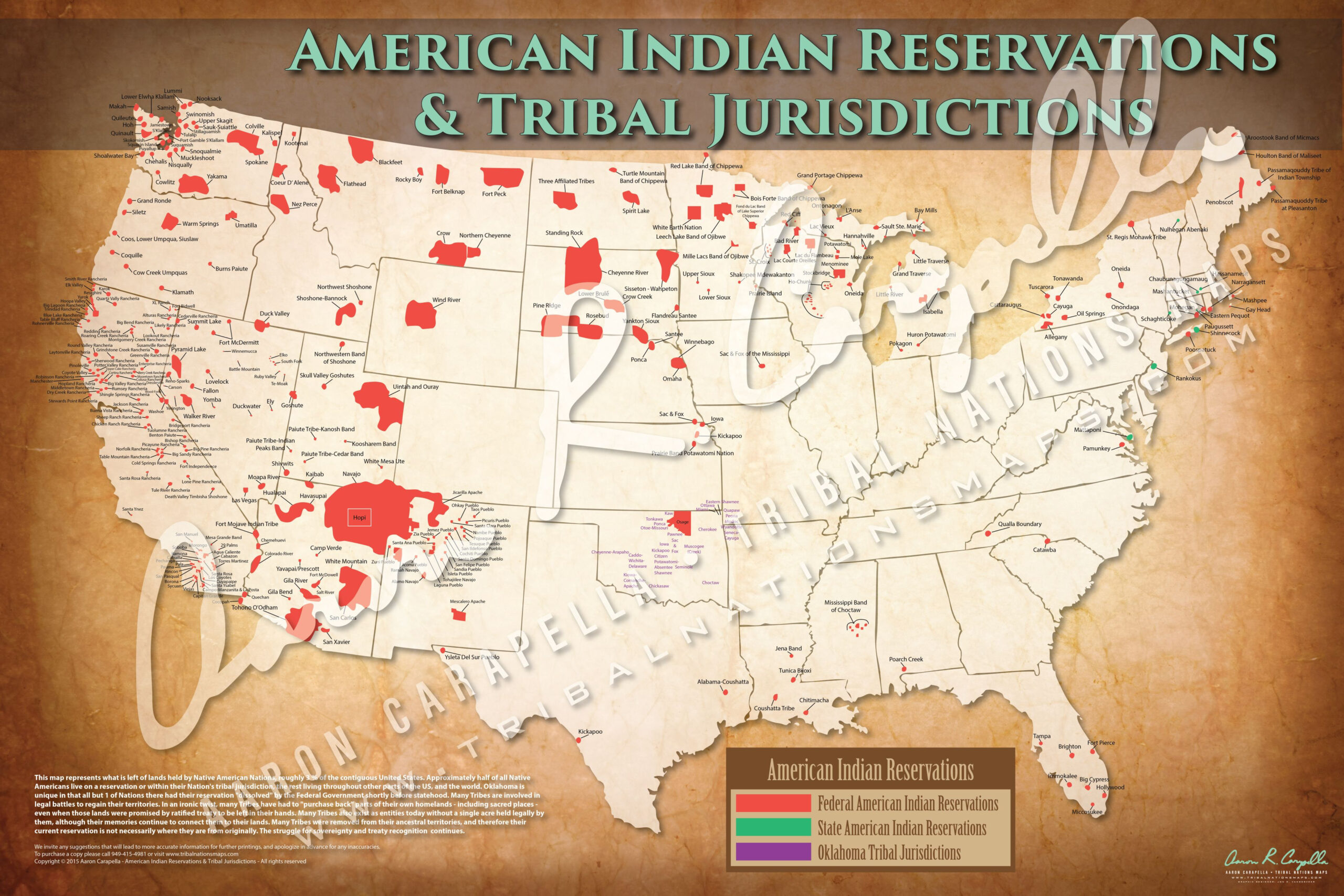
- Seneca Nation of Indians: The Seneca Nation has three reservations in New York: Allegany, Cattaraugus, and Oil Springs.
- St. Regis Mohawk Tribe: The St. Regis Mohawk Tribe has a reservation that straddles the U.S.-Canada border.
- Oneida Indian Nation: The Oneida Indian Nation has a reservation in Central New York.
- Tuscarora Nation: The Tuscarora Nation has a reservation near Niagara Falls.
- Shinnecock Indian Nation: The Shinnecock Indian Nation has a reservation on Long Island.
Seneca Nation of Indians: A Closer Look
The Seneca Nation, part of the Haudenosaunee Confederacy (also known as the Iroquois Confederacy), is one of the largest and most influential Native American tribes in New York. Their reservations, Allegany, Cattaraugus, and Oil Springs, are located in Western New York and cover significant land areas.
Allegany Reservation
The Allegany Reservation, bordering the Allegheny River, is the largest of the Seneca Nation’s reservations. It is home to the Seneca Nation government headquarters and several Seneca-owned businesses.
Cattaraugus Reservation
Located southwest of Buffalo, the Cattaraugus Reservation is another significant Seneca Nation territory. It features residential areas, cultural centers, and economic enterprises.

Oil Springs Reservation
The Oil Springs Reservation, though smaller than the other two, holds historical significance as the site of the first commercially successful oil well in North America. It also has significant cultural value to the Seneca people.
St. Regis Mohawk Tribe: A Border Community
The St. Regis Mohawk Tribe, also known as Akwesasne, is located on the U.S.-Canada border. This unique location presents both opportunities and challenges for the tribe, as they navigate cross-border issues related to trade, travel, and governance.
Oneida Indian Nation: From Ancient Roots to Modern Enterprises
The Oneida Indian Nation has a rich history in Central New York. After facing displacement and hardship, the Nation has rebuilt its community and developed successful economic ventures, including the Turning Stone Resort Casino, which provides employment and revenue for the tribe and the surrounding region.
Tuscarora Nation: Preserving Culture Near Niagara Falls
The Tuscarora Nation, the sixth nation to join the Iroquois Confederacy, maintains a reservation near Niagara Falls. The tribe focuses on preserving its culture, language, and traditions, while also engaging in economic activities such as agriculture and tourism.
Shinnecock Indian Nation: Long Island’s Indigenous People
The Shinnecock Indian Nation, located on Long Island, has a long and complex history marked by land disputes and cultural preservation efforts. The Nation continues to assert its sovereignty and works to protect its ancestral lands and cultural heritage.
Economic Activities on Indian Reservations
Indian Reservations in New York engage in a variety of economic activities to support their communities. These activities range from gaming and tourism to agriculture and manufacturing.
Gaming and Casinos
Several tribes operate casinos on their reservations, which generate significant revenue and employment opportunities. These casinos have become major economic drivers for the tribes and surrounding areas.
Tourism and Cultural Attractions
Many reservations offer tourism opportunities, showcasing Native American culture, history, and arts. Visitors can explore museums, attend cultural events, and purchase authentic Native American crafts.
Agriculture and Natural Resources
Some tribes engage in agriculture, forestry, and other natural resource-based activities. These activities not only provide economic benefits but also help preserve the environment and traditional practices.
Challenges and Opportunities
Indian Reservations in New York face a variety of challenges, including poverty, unemployment, and limited access to healthcare and education. However, they also have significant opportunities for economic development, cultural revitalization, and self-determination.
Sovereignty and Self-Governance
The concept of tribal sovereignty is central to the relationship between Native American tribes and the United States government. Tribal sovereignty allows tribes to govern themselves, make their own laws, and manage their own affairs, subject to federal law.
Cultural Preservation and Education
Preserving Native American culture, language, and traditions is a top priority for tribes in New York. They operate cultural centers, museums, and educational programs to promote their heritage and ensure that future generations have a strong connection to their roots.
Healthcare and Social Services
Access to healthcare and social services is a critical issue for many Native American communities. Tribes work to provide comprehensive healthcare services, including medical, dental, and mental health care, to their members.
Education and Youth Programs
Investing in education and youth programs is essential for the future of Native American tribes. Tribes operate schools, scholarship programs, and youth development initiatives to empower young people and prepare them for success.
Frequently Asked Questions (FAQs)
What are the main Indian Reservations in New York State?
The main Indian Reservations in New York are Allegany, Cattaraugus, Oil Springs (Seneca Nation), St. Regis Mohawk, Oneida, Tuscarora, and Shinnecock.
How many federally recognized tribes are in New York?
There are currently nine federally recognized tribes in New York State.
Can I visit an Indian Reservation in New York?
Yes, many Indian Reservations welcome visitors and offer tourism opportunities. However, it is important to respect tribal laws and customs when visiting.
What is the significance of tribal sovereignty?
Tribal sovereignty is the inherent right of Native American tribes to govern themselves and their lands. It is a cornerstone of the relationship between tribes and the United States government.
How can I learn more about Native American culture in New York?
You can learn more about Native American culture by visiting tribal museums, attending cultural events, and researching the history and traditions of the various tribes in New York.
Conclusion: Honoring the Legacy, Embracing the Future
The Indian Reservations in New York represent a vital part of the state’s history and cultural landscape. These sovereign nations are home to resilient communities that are working to preserve their heritage, promote economic development, and ensure a brighter future for generations to come. By understanding the history, challenges, and opportunities facing these tribes, we can foster greater respect, collaboration, and support for their ongoing efforts.
Exploring the Indian Reservations of New York offers a profound opportunity to connect with the rich tapestry of Native American history and culture, fostering a deeper appreciation for the contributions and resilience of these vibrant communities. It is a journey of discovery that enriches our understanding of New York’s past and present.


