
The Wichita and Affiliated Tribes Reservation in Oklahoma stands as a testament to the resilience and cultural heritage of the Wichita people. Understanding its history, significance, and contemporary role provides valuable insights into the Native American experience and the complex relationship between tribes and the United States government. This comprehensive guide explores the reservation’s origins, key landmarks, cultural practices, and its ongoing impact on the region.
A Brief History of the Wichita and Affiliated Tribes
The Wichita people, also known as the Kitikiti’sh, have a long and storied history in the southern plains of North America. Prior to European contact, they thrived as agriculturalists and traders, establishing villages along the Arkansas River and its tributaries. Their distinctive grass houses and intricate pottery were hallmarks of their culture. Over time, the Wichita formed alliances with other tribes, including the Waco, Tawakoni, and Kichai, leading to the designation of ‘Affiliated Tribes’.
Early Encounters and Displacement
European exploration and colonization brought significant changes to the Wichita way of life. Encounters with Spanish explorers in the 16th century were followed by increased pressure from other tribes and the encroachment of American settlers. The Wichita were gradually pushed southward, eventually settling in what is now Oklahoma.
The Treaty of 1859 and the Establishment of the Reservation
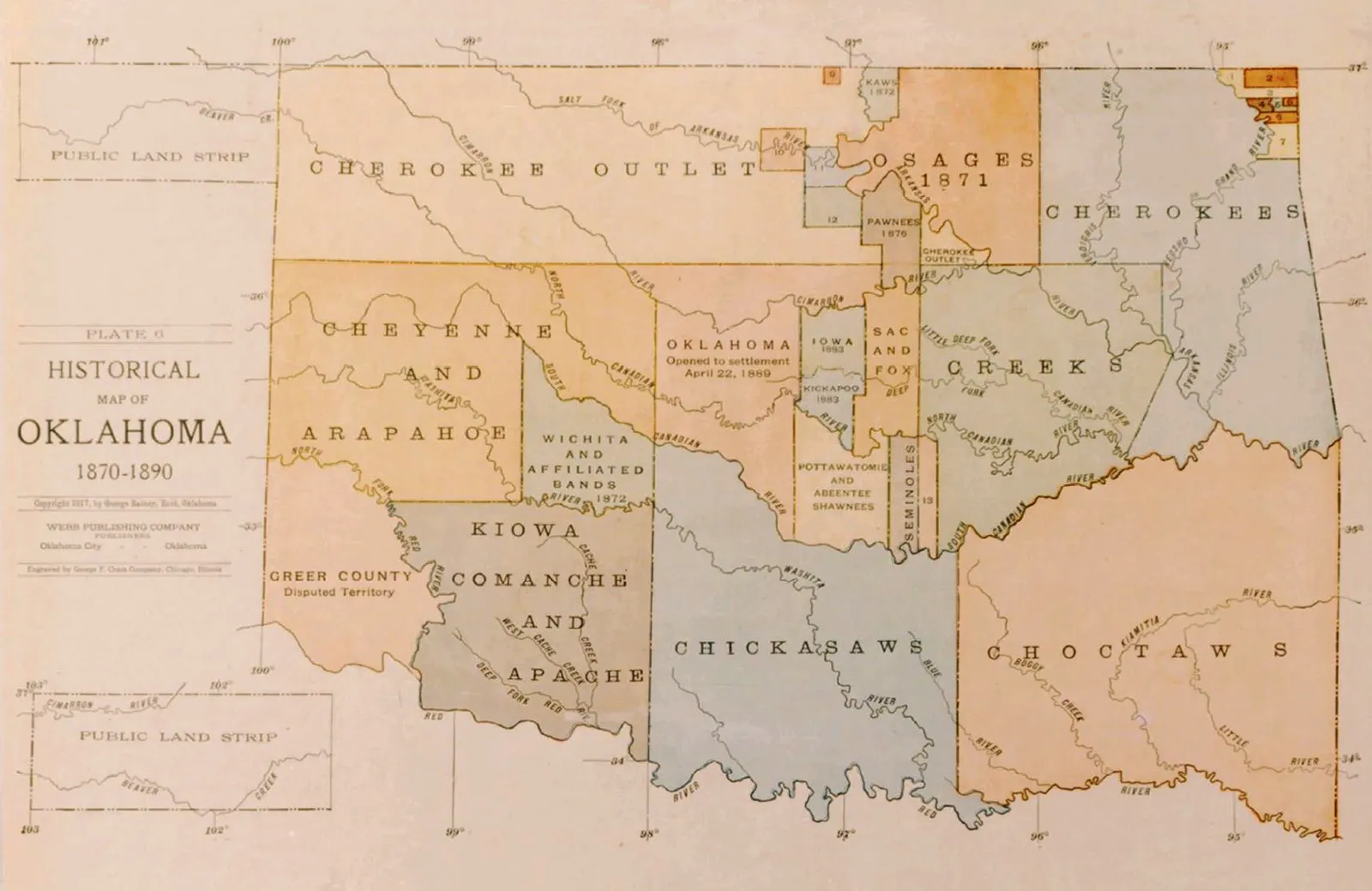

The 1859 Treaty with the United States formally established the Wichita and Affiliated Tribes Reservation in Indian Territory (present-day Oklahoma). This treaty aimed to provide the tribes with a permanent homeland and protection from further displacement. However, the reservation era brought new challenges, including government policies aimed at assimilation and the allotment of tribal lands.
Life on the Wichita Reservation: Then and Now
Life on the Wichita Reservation has undergone considerable transformation since its establishment. Initially, the tribes focused on rebuilding their communities and adapting to the reservation environment. Agriculture remained a central part of their economy, but they also faced challenges related to land management and resource allocation.
Assimilation Policies and Their Impact
The late 19th and early 20th centuries were marked by aggressive assimilation policies implemented by the U.S. government. These policies aimed to dismantle tribal governments, suppress Native languages and cultures, and force Native Americans to adopt European-American customs. Boarding schools, such as the infamous Carlisle Indian Industrial School, played a significant role in this assimilation effort, separating children from their families and communities.
The Indian Reorganization Act and Tribal Self-Governance
The Indian Reorganization Act of 1934 marked a turning point in federal Indian policy. This act recognized the right of tribes to self-governance and encouraged the revitalization of tribal cultures and institutions. The Wichita and Affiliated Tribes reorganized their government under the act, laying the foundation for greater autonomy and self-determination.
Key Landmarks and Cultural Sites
The Wichita and Affiliated Tribes Reservation is home to several important landmarks and cultural sites that reflect the tribe’s rich history and heritage. Exploring these sites provides a deeper understanding of the Wichita people and their connection to the land.


The Wichita Tribal Headquarters
Located near Anadarko, Oklahoma, the Wichita Tribal Headquarters serves as the center of tribal government and administration. It houses offices for tribal leaders, administrative staff, and various tribal programs and services. The headquarters is also a gathering place for tribal members and a venue for community events.
The Wichita Tribal Museum
The Wichita Tribal Museum showcases the history, culture, and art of the Wichita and Affiliated Tribes. Exhibits feature artifacts, photographs, and interactive displays that tell the story of the Wichita people from their ancient origins to the present day. The museum is an invaluable resource for learning about Wichita traditions, beliefs, and contributions.
Sacred Sites and Burial Grounds
The Wichita Reservation contains numerous sacred sites and burial grounds that are of immense cultural and spiritual significance to the tribe. These sites are often unmarked and protected to preserve their sanctity and prevent desecration. Respect for these sites is paramount for understanding and honoring Wichita traditions.
Cultural Practices and Traditions
Despite the challenges of colonization and assimilation, the Wichita and Affiliated Tribes have preserved many of their traditional cultural practices and beliefs. These traditions continue to play a vital role in shaping tribal identity and community cohesion.
Traditional Dances and Ceremonies
Traditional dances and ceremonies are an integral part of Wichita culture. These events often involve elaborate regalia, drumming, singing, and storytelling. They serve to honor ancestors, celebrate important events, and reinforce community bonds. The annual Wichita Tribal Dance is a major event that attracts tribal members and visitors from across the region.
Language Preservation
The Wichita language, like many Native American languages, has faced the threat of extinction. However, the tribe has made significant efforts to revitalize and preserve the language through language classes, cultural programs, and partnerships with universities and other institutions. Language preservation is seen as essential for maintaining cultural identity and passing on traditional knowledge to future generations.
Traditional Arts and Crafts
Traditional arts and crafts, such as pottery, beadwork, and basketry, are still practiced by Wichita artisans. These crafts often incorporate traditional designs and materials, reflecting the tribe’s connection to the natural world. The creation and sale of these crafts provide an important source of income for tribal members and help to promote Wichita culture.
Economic Development and Contemporary Issues
The Wichita and Affiliated Tribes are actively engaged in economic development initiatives aimed at improving the quality of life for tribal members and strengthening the tribal economy. They also face a number of contemporary issues related to healthcare, education, and environmental protection.
Gaming and Casino Operations
Like many Native American tribes, the Wichita and Affiliated Tribes operate a gaming casino on their reservation. The casino provides employment opportunities for tribal members and generates revenue that is used to fund tribal programs and services, such as healthcare, education, and housing.
Healthcare and Education
Access to quality healthcare and education is a major priority for the Wichita and Affiliated Tribes. The tribe operates a health clinic that provides medical services to tribal members. They also support educational programs and scholarships to help tribal members pursue higher education and vocational training.
Environmental Protection
The Wichita and Affiliated Tribes are committed to protecting the environment and preserving natural resources on their reservation. They work to address issues such as water quality, air pollution, and waste management. They also promote sustainable development practices that balance economic growth with environmental stewardship.
Visiting the Wichita and Affiliated Tribes Reservation
Visitors are welcome to learn more about the Wichita and Affiliated Tribes and their culture. The Wichita Tribal Museum is a great place to start, and the tribe also hosts various cultural events throughout the year. When visiting the reservation, it is important to be respectful of tribal customs and traditions.
Etiquette and Guidelines
When visiting the Wichita Reservation, it is important to dress modestly and avoid making loud noises or disruptive behavior. It is also important to ask permission before taking photographs or videos of tribal members or cultural events. Respect for tribal elders and leaders is highly valued.
Accommodation and Services
Several hotels, motels, and campgrounds are located near the Wichita and Affiliated Tribes Reservation. The nearby towns of Anadarko and Lawton offer a range of services, including restaurants, shops, and gas stations. Visitors should plan their trip in advance and make reservations as needed.
Conclusion: The Enduring Legacy of the Wichita People
The Wichita and Affiliated Tribes Reservation in Oklahoma is a living testament to the resilience, cultural heritage, and self-determination of the Wichita people. From their ancient origins as agriculturalists and traders to their contemporary efforts to revitalize their culture and strengthen their economy, the Wichita have overcome numerous challenges and continue to thrive as a sovereign nation. Exploring the reservation’s history, landmarks, and cultural practices provides a valuable opportunity to learn about the Native American experience and to appreciate the enduring legacy of the Wichita people.
- Their historical roots as skilled agriculturalists and traders.
- The impact of treaties and U.S. government policies on their land and culture.
- The significance of cultural preservation efforts in maintaining their identity.
- Their contemporary focus on economic development and self-governance.
By learning about the Wichita and Affiliated Tribes, we gain a deeper appreciation for the diversity and complexity of Native American cultures and the importance of honoring tribal sovereignty and self-determination.


