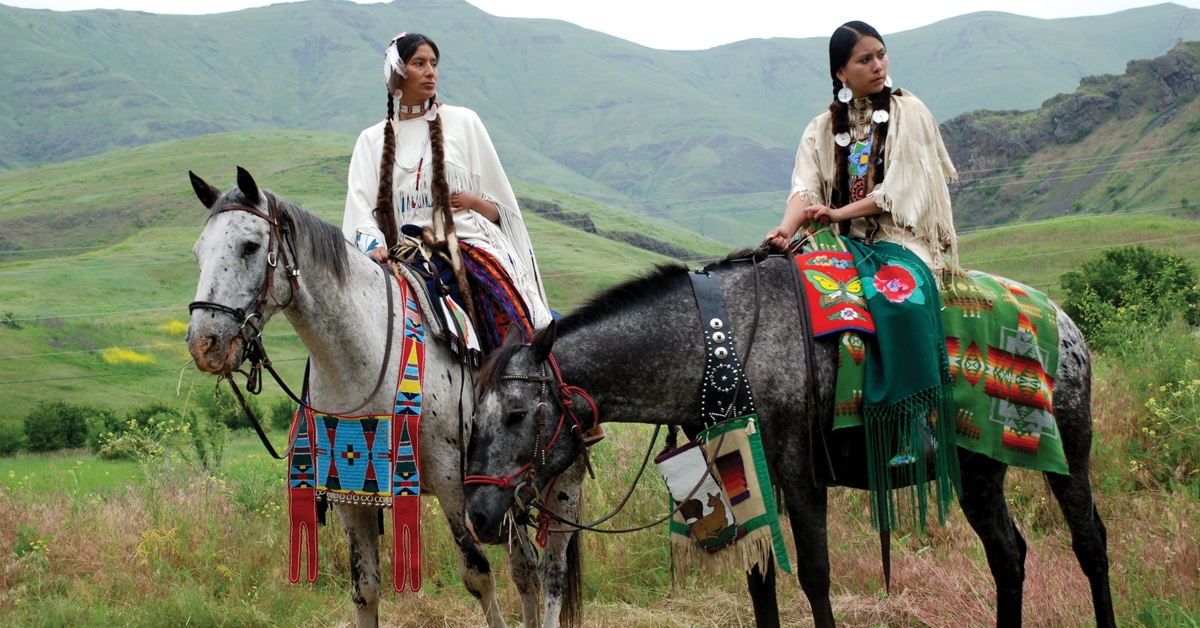

The Nez Perce Tribe, known to themselves as the Nimiipuu (meaning ‘The People’), holds a profound and enduring legacy within the landscapes of what is now Idaho. Their reservation, a testament to centuries of resilience and cultural continuity, is nestled amidst the rolling hills, pristine rivers, and dense forests of north-central Idaho, offering a unique glimpse into the heart of a sovereign nation.
This comprehensive article delves into the intricate tapestry of the Nez Perce Tribe Reservation in Idaho, exploring its historical roots, cultural significance, modern-day governance, economic endeavors, and the ongoing efforts to preserve a heritage that has withstood immense challenges. Understanding the Nimiipuu is to understand a vital chapter in American history and a living example of tribal sovereignty.
Before the arrival of Euro-American explorers, the Nimiipuu inhabited a vast traditional territory spanning parts of present-day Idaho, Oregon, Washington, and Montana. Their ancestral lands were rich in resources, supporting a semi-nomadic lifestyle centered around salmon fishing, camas root harvesting, and buffalo hunting. Their intimate connection to the land shaped their spiritual beliefs, social structures, and distinct cultural identity.
The Nimiipuu were renowned for their horsemanship, developing the distinctive Appaloosa breed, which became central to their mobility, trade, and cultural practices. They were skilled traders, maintaining extensive networks across the continent, and were often characterized by early explorers as intelligent, peaceful, and prosperous.
The early 19th century brought significant changes with the arrival of Lewis and Clark in 1805, marking the beginning of sustained contact with non-Native populations. Initially, relations were largely peaceful, with the Nez Perce aiding the expedition. However, the subsequent influx of settlers, missionaries, and gold prospectors dramatically altered the landscape.
The mid-19th century was dominated by a series of treaties that drastically reduced the Nimiipuu’s land base. The Treaty of 1855 established a large reservation encompassing much of their traditional territory. However, the discovery of gold on their lands led to immense pressure for further land cessions.


The Treaty of 1863, often referred to as the ‘Thief Treaty’ by the non-signatory bands, unilaterally reduced the reservation to a mere fraction of its 1855 size, confining it primarily to the Lapwai area in Idaho. This act ignited deep divisions within the tribe, leading to the tragic Nez Perce War of 1877.
The Nez Perce War, led by Chief Joseph, Looking Glass, White Bird, and others, saw a courageous but ultimately futile attempt by the non-treaty bands to escape to Canada and preserve their ancestral way of life. Chief Joseph’s famous surrender speech, ‘I will fight no more forever,’ remains a poignant symbol of resistance and loss.
Following the war, many Nez Perce were exiled to Indian Territory (present-day Oklahoma) before some were eventually allowed to return to the Pacific Northwest, primarily to the diminished Idaho reservation and the Colville Reservation in Washington.
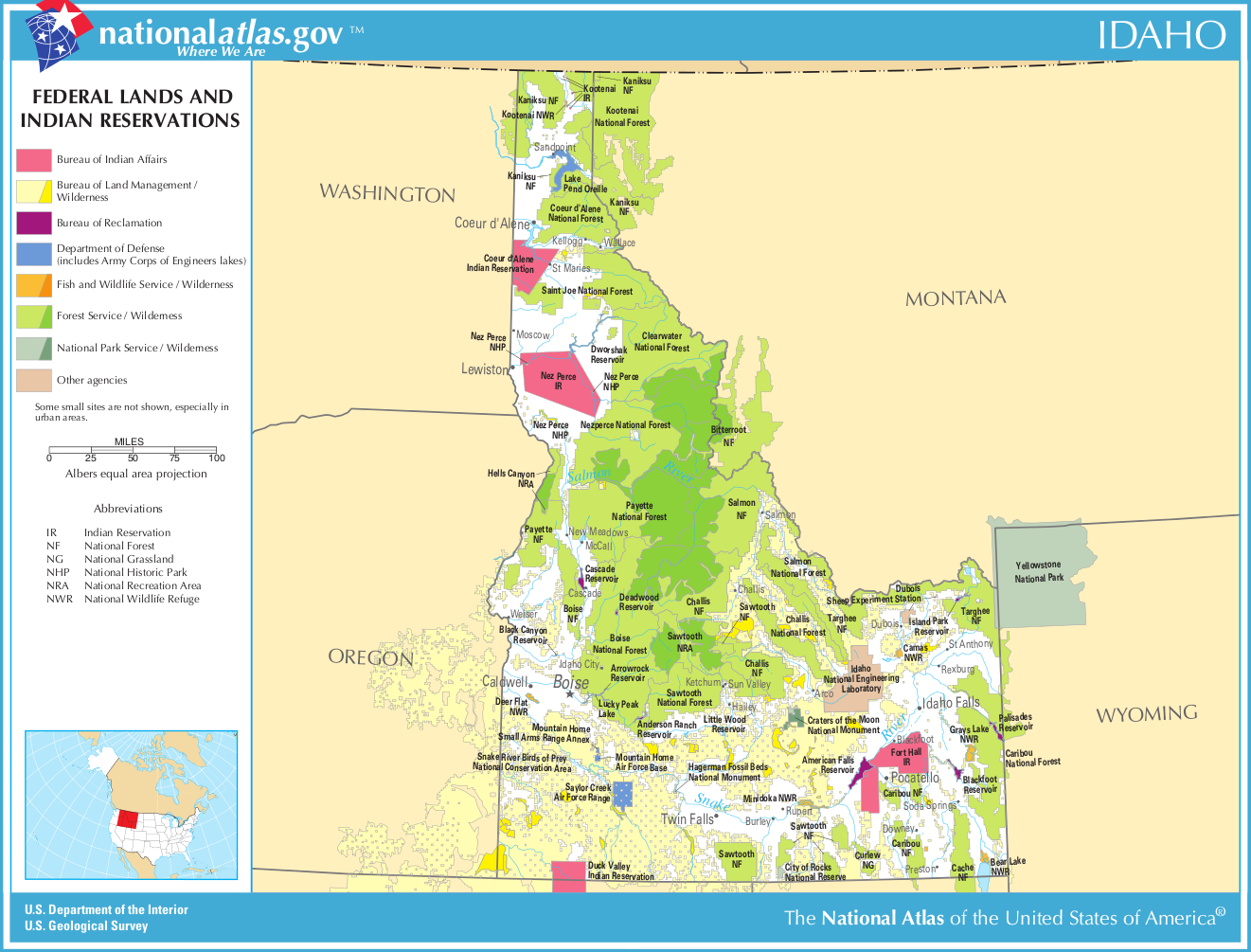
Today, the Nez Perce Tribe Reservation is primarily located in north-central Idaho, encompassing parts of four counties: Nez Perce, Clearwater, Latah, and Lewis. The tribal headquarters are situated in Lapwai, Idaho, a central hub for tribal government and services. The reservation’s boundaries are complex, featuring a ‘checkerboard’ pattern of tribal, individual allotment, and non-Indian owned lands.
The reservation spans approximately 750,000 acres, though much of this land is not tribally owned. The tribal trust land base is continuously being rebuilt through strategic land acquisitions. Key geographical features include portions of the Clearwater River, Snake River, and Salmon River, along with vast tracts of timberland and agricultural areas.
The Nez Perce Tribe is a federally recognized sovereign nation, exercising inherent governmental powers. The tribal government, known as the Nez Perce Tribal Executive Committee (NPTEC), is composed of nine elected members who serve staggered terms. This committee is responsible for tribal policy, resource management, economic development, and the welfare of its members.
Tribal sovereignty means the Nez Perce Tribe has the right to govern itself, establish its own laws, and manage its own resources. This includes operating its own justice system, health services, education programs, and environmental protection initiatives, often in collaboration with federal and state agencies.
Cultural preservation is a cornerstone of the Nez Perce identity. The Nimiipuu language, an endangered Sahaptian language, is actively being revitalized through immersion programs, language classes, and cultural camps. These efforts aim to pass the language to younger generations, ensuring its survival.
Traditional ceremonies, such as root feasts, powwows, and stickgame tournaments, remain vibrant expressions of Nimiipuu culture. These gatherings provide opportunities for community bonding, spiritual renewal, and the sharing of traditional songs, dances, and storytelling. The tribe also actively promotes traditional arts and crafts, including beadwork, basketry, and regalia making.

The Nez Perce Tribe is committed to sustainable economic development to provide opportunities for its members and strengthen the tribal nation. One significant venture is the operation of Clearwater River Casino & Lodge, which generates revenue to fund essential tribal services and programs.
The tribe also manages extensive natural resources, including timber harvesting, fisheries management on the Clearwater and Snake Rivers, and agricultural enterprises. These initiatives are conducted with a strong emphasis on environmental stewardship and traditional ecological knowledge, ensuring resources are preserved for future generations.
Healthcare services are provided through tribal clinics, often in partnership with the Indian Health Service (IHS), offering comprehensive medical, dental, and behavioral health care to tribal members. Education is also a high priority, with the tribe supporting various programs from early childhood education to higher education scholarships.
The Nez Perce Tribe faces ongoing challenges, including preserving treaty rights, protecting ancestral lands and waters from external threats, and addressing socio-economic disparities. However, the tribe’s resilience, determination, and commitment to self-determination continue to drive progress and foster a strong, vibrant community.
Efforts to reclaim and restore ancestral lands and manage natural resources are continuous. The tribe actively participates in collaborative efforts for salmon recovery in the Columbia River Basin, a critical cultural and economic resource that has faced significant decline.
The Nez Perce National Historical Park, a unique park with 38 sites across four states (Idaho, Oregon, Washington, Montana), tells the story of the Nimiipuu people. Several key sites are located on or near the Idaho reservation, including Spalding, Heart of the Monster, and the White Bird Battlefield. These sites offer visitors profound insights into Nez Perce history and culture.
Visitors interested in learning more about the Nez Perce Tribe are encouraged to visit the Nez Perce National Historical Park sites, particularly the Visitor Center at Spalding, Idaho. Here, exhibits, films, and ranger programs provide context and depth to the Nimiipuu story.
For those seeking recreational opportunities, the reservation and surrounding areas offer exceptional fishing (especially for salmon and steelhead), hunting, hiking, and camping. The Clearwater River and Snake River are popular destinations for outdoor enthusiasts, with permits often required for tribal lands.
When visiting the reservation, it is essential to practice respectful tourism. This includes respecting private property, observing posted signs, refraining from disturbing cultural sites, and understanding that you are visiting the homeland of a sovereign nation. Engaging with tribal members and businesses respectfully contributes positively to the community.
The Nez Perce Tribe Reservation in Idaho stands as a powerful symbol of a people who have endured, adapted, and thrived despite immense historical adversity. From their ancient traditions and the epic journey of Chief Joseph to their modern-day governance and economic ventures, the Nimiipuu embody strength, cultural richness, and an unwavering connection to their ancestral lands.
Their story is not merely one of the past but a living narrative of sovereignty, cultural revitalization, and a deep commitment to future generations. The Nez Perce Tribe continues to be a vital and influential voice in Idaho and beyond, shaping policy, preserving heritage, and contributing to the rich tapestry of the American West.
Visiting or learning about the Nez Perce Reservation offers an invaluable opportunity to understand indigenous perspectives, appreciate the complexities of history, and witness the ongoing vibrancy of a truly remarkable people. It is a journey into a culture that values community, tradition, and an unbreakable bond with the natural world.
In conclusion, the Nez Perce Tribe’s reservation in Idaho is more than just a geographical location; it is a vibrant cultural center, a testament to enduring sovereignty, and a beacon of resilience. The Nimiipuu continue to shape their destiny, honoring their ancestors while building a strong future for their children, proving that their spirit and culture are as boundless as the Idaho landscapes they call home.


