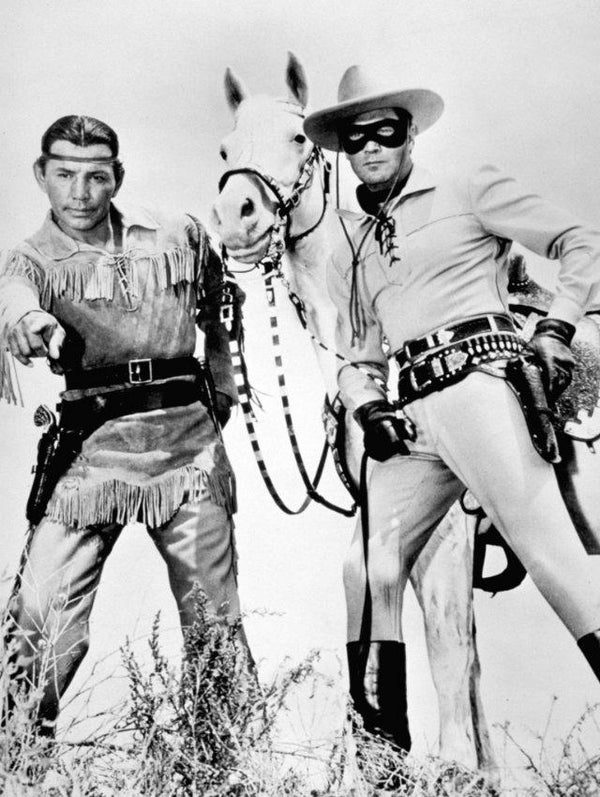
The Lone Ranger, a symbol of justice and righteousness in the American West, is inseparable from his trusted companion, Tonto. But what exactly does ‘Kemosabe’ mean, and who first uttered this now-iconic word? The answer is more complex and fascinating than many realize. This article delves into the history, origin, and varying interpretations of ‘Kemosabe,’ shedding light on its significance within the Lone Ranger universe and its broader cultural implications.
The Origin of ‘Kemosabe’
The word ‘Kemosabe’ first appeared in the Lone Ranger radio program, which debuted in 1933. The character of Tonto, portrayed as a loyal and resourceful Native American, used the term to address the Lone Ranger. But where did the writers of the show get the word? The exact origin is shrouded in some mystery, with several competing theories.
The Theories Behind the Meaning
Ojibwe Connection: One popular theory suggests that ‘Kemosabe’ derives from the Ojibwe (also known as Chippewa) language. In this context, it’s believed to mean ‘trusty scout’ or ‘faithful friend.’ This interpretation aligns well with Tonto’s role as the Lone Ranger’s dependable companion.
Potawatomi Influence: Another theory points to the Potawatomi language, suggesting that ‘Kemosabe’ could be a corruption of a word meaning ‘he who knows.’ This interpretation emphasizes the Lone Ranger’s wisdom and understanding of the wilderness.
Rosebud Sioux: Some sources suggest a connection to the Rosebud Sioux tribe, with ‘Kemosabe’ potentially meaning ‘white shirt’ or ‘white man.’ This interpretation is less likely, given the generally positive connotation of the term in the Lone Ranger series.
Creator’s Explanation: Fran Striker, the writer most associated with the Lone Ranger, claimed that he invented the word ‘Kemosabe’ and that it meant ‘trusty scout.’ Striker said he wanted a word that sounded Native American but didn’t have any negative connotations. This explanation is often considered the most authoritative, as it comes directly from the creator of the character.
Why ‘Kemosabe’ Matters
Beyond its literal meaning, ‘Kemosabe’ holds significant cultural weight. It represents the bond between the Lone Ranger and Tonto, symbolizing respect, loyalty, and mutual understanding between two individuals from different backgrounds. In a time when portrayals of Native Americans in popular culture were often stereotypical and demeaning, the relationship between the Lone Ranger and Tonto, while not without its own issues, presented a more nuanced and positive image.
The Lone Ranger and Tonto: A Complex Relationship
It’s crucial to acknowledge the complexities surrounding the portrayal of Tonto and the use of ‘Kemosabe.’ While the Lone Ranger series aimed to promote justice and cross-cultural understanding, it also perpetuated certain stereotypes about Native Americans. The fact that Tonto was often depicted as subservient to the Lone Ranger, and that his language was sometimes broken or grammatically incorrect, reflects the problematic representation of indigenous peoples in media during that era.
Criticisms and Re-evaluations
In recent years, the Lone Ranger and Tonto’s relationship has been subject to critical re-evaluation. Some argue that the dynamic reinforces a power imbalance, with the Lone Ranger as the dominant figure and Tonto as the sidekick. Others contend that the series, despite its flaws, attempted to portray a positive interracial friendship during a time of widespread prejudice.
‘Kemosabe’ in Popular Culture
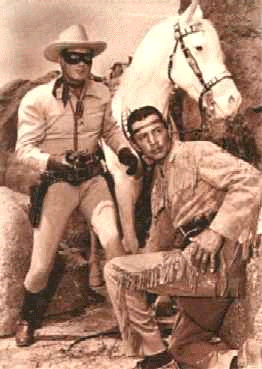
The word ‘Kemosabe’ has transcended its origins in the Lone Ranger series to become a widely recognized term in popular culture. It’s been used in countless movies, television shows, songs, and advertisements, often as a playful or ironic reference to the Lone Ranger and Tonto’s relationship. Its continued presence in the cultural lexicon speaks to the enduring legacy of the Lone Ranger and the impact of his iconic partnership with Tonto.
Common Misconceptions About ‘Kemosabe’
It’s a Real Native American Word: While various theories link ‘Kemosabe’ to Native American languages, there’s no definitive proof that it originated from any specific tribe. Fran Striker’s claim that he invented the word remains the most plausible explanation.
It’s a Derogatory Term: ‘Kemosabe’ is generally not considered a derogatory term. In the context of the Lone Ranger, it’s a term of endearment and respect. However, its use by individuals unfamiliar with its origins could potentially be misinterpreted.
It Has a Single, Definitive Meaning: As discussed earlier, the meaning of ‘Kemosabe’ is open to interpretation. While ‘trusty scout’ is a common translation, other possibilities exist.
The Lone Ranger’s Enduring Appeal
The Lone Ranger’s popularity endures because he embodies ideals of justice, bravery, and integrity. He is a masked hero fighting for the underdog, a symbol of hope in a lawless land. His partnership with Tonto adds another layer to his appeal, showcasing the potential for friendship and understanding across cultural divides.
The Role of Media in Shaping Perceptions
The Lone Ranger series serves as a reminder of the power of media to shape perceptions of different cultures. While the show had its positive aspects, it also perpetuated certain stereotypes that contributed to negative portrayals of Native Americans. It’s essential to critically examine media representations and strive for more accurate and nuanced portrayals of diverse communities.
The Legacy of ‘Kemosabe’ Today
Today, ‘Kemosabe’ remains a recognizable term, often used in nostalgic or humorous contexts. While its meaning may be debated, its association with the Lone Ranger and Tonto is undeniable. The word serves as a reminder of a bygone era of radio and television, and the enduring appeal of the Western genre.
Variations in Spelling and Pronunciation
Over the years, ‘Kemosabe’ has appeared in various spellings and pronunciations. Some variations include ‘Kemo Sabe,’ ‘Kimosabe,’ and ‘Kemmo Sabay.’ These variations likely arose from different interpretations of the word’s sound and origin.
The Lone Ranger’s Impact on American Culture
The Lone Ranger’s influence on American culture is profound. He helped to shape the image of the American West as a land of adventure, opportunity, and moral conflict. His code of conduct, which emphasized honesty, fairness, and respect for others, served as a model for generations of viewers and listeners.
Exploring Related Terms and Phrases
‘Hi-yo, Silver!’: The Lone Ranger’s famous command to his horse, Silver.
‘Who was that masked man?’: A common question asked by characters who witnessed the Lone Ranger’s heroic deeds.
Tonto’s Language: While Tonto’s speech was often simplified, it included phrases like ‘Ugh’ and references to the ‘Great Spirit.’
The Lone Ranger’s Code of Ethics
Never shooting to kill: The Lone Ranger aimed to disarm his opponents, not to kill them.
Speaking plainly: The Lone Ranger avoided deceit and always spoke the truth.
Protecting the weak and innocent: The Lone Ranger dedicated his life to helping those in need.
Conclusion: The Enduring Mystery and Meaning of Kemosabe
In conclusion, ‘Kemosabe’ is a word steeped in history, mystery, and cultural significance. While its exact origin remains debated, its association with the Lone Ranger and Tonto is undeniable. The term represents a bond of friendship and loyalty, while also prompting critical reflection on the portrayal of Native Americans in media. As the Lone Ranger continues to ride into the sunset of popular culture, ‘Kemosabe’ will forever echo as a testament to his enduring legacy and the complex relationship he shared with his trusted companion.
Ultimately, whether ‘Kemosabe’ means ‘trusty scout,’ ‘he who knows,’ or was simply a creation of Fran Striker’s imagination, its importance lies in its representation of the bond between two different people fighting for justice in the Old West. It’s a term that encapsulates a unique friendship and a shared commitment to making the world a better place, one masked adventure at a time.


