
Water is life. For Native American tribes across the United States, this ancient truth carries profound legal, economic, and cultural weight. The struggle for secure and sufficient water rights on Indian reservations is a defining chapter in the broader narrative of tribal sovereignty and self-determination, marked by complex legal battles, historic agreements, and ongoing advocacy.
Understanding water rights on Indian reservations requires a journey through federal Indian law, treaty obligations, and the unique relationship between tribal nations and the United States government. These rights are not merely about access to a resource; they are fundamental to tribal health, economic development, and the preservation of cultural heritage.
The arid landscapes of the American West, where many reservations are located, make water an even more precious commodity. Competition for water resources among agricultural, municipal, and industrial users has historically placed tribal water claims in an adversarial position, often leading to protracted and expensive litigation.
The historical context of these rights is crucial. When reservations were established, often through treaties, the federal government implicitly promised that tribes would have access to the water necessary to fulfill the purposes of those reservations. This foundational principle forms the bedrock of what are known as ‘reserved water rights.’
The Cornerstone: The Winters Doctrine
The landmark 1908 Supreme Court case, Winters v. United States, established the legal precedent for tribal reserved water rights. The Court ruled that when the Fort Belknap Indian Reservation was created, the federal government implicitly reserved sufficient water from the Milk River for the future needs of the tribe, even though the treaty made no explicit mention of water.
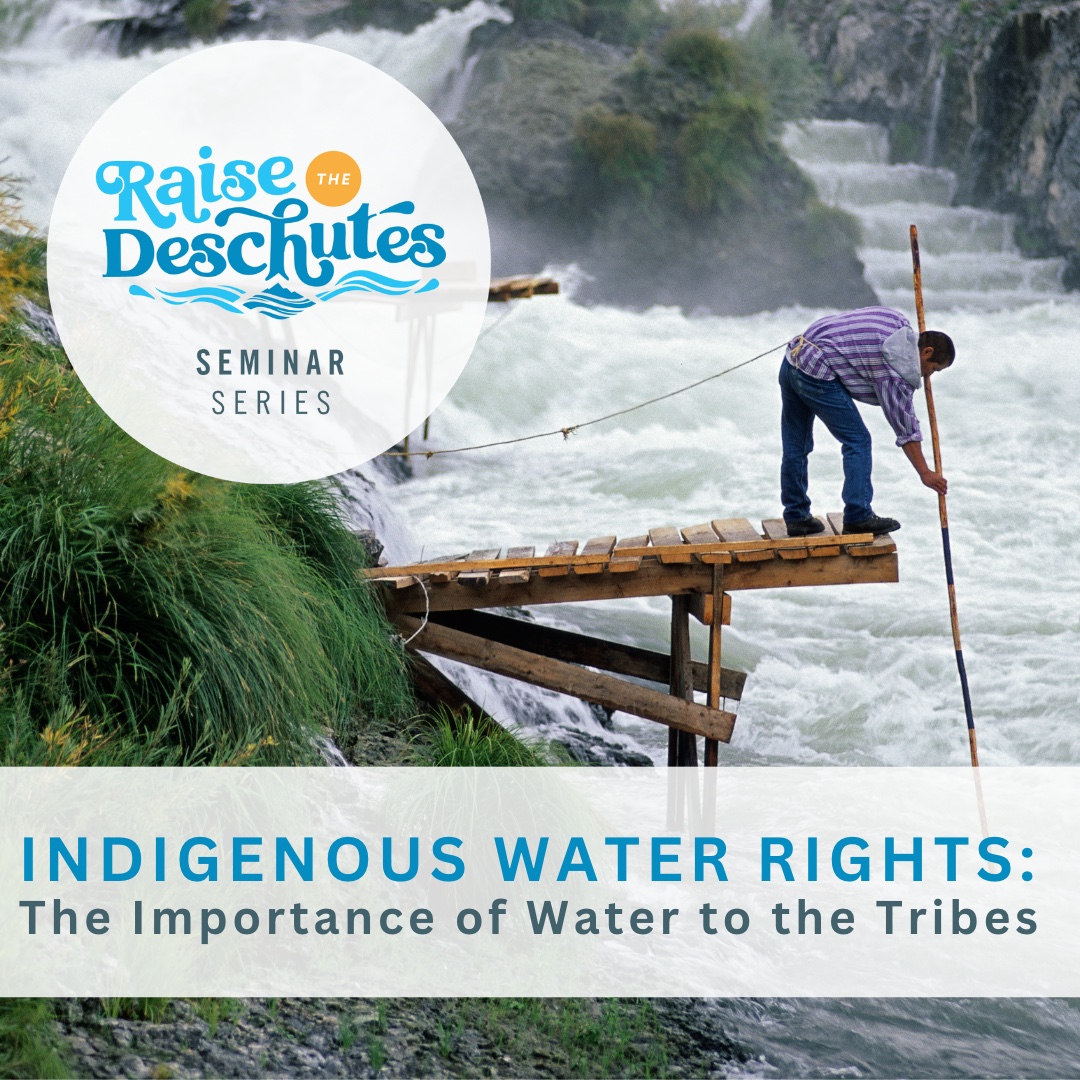
This decision affirmed that tribes hold ‘reserved water rights’ dating back to the establishment of their reservations. These rights are senior to those of non-Indian users who settled later, a principle known as ‘priority date.’ The priority date is generally the date the reservation was created, giving tribes a significant advantage in times of scarcity.
A key aspect of the Winters Doctrine is that these rights are not lost through non-use. Unlike state-based ‘prior appropriation’ systems where water rights can be lost if not continually used (‘use it or lose it’), tribal reserved rights remain intact, even if the water has not been historically diverted or applied to a beneficial use.
Quantifying Tribal Water Rights: The PIA Standard and Beyond
While Winters established the existence of these rights, it did not quantify them. For decades, the standard for quantifying tribal reserved water rights was based on the ‘practicably irrigable acreage’ (PIA) within a reservation. This standard, established in the 1963 case Arizona v. California, aimed to determine the amount of water needed to irrigate all suitable land on a reservation.
Today, while PIA may still be a factor, many tribes advocate for a broader interpretation of ‘purpose of the reservation,’ encompassing all aspects of tribal life and economic development. This includes water for domestic use, recreation, fisheries, environmental restoration, and industrial projects, reflecting the holistic view tribes have of their resources.
The Federal Trust Responsibility
Central to the issue of tribal water rights is the concept of the federal trust responsibility. The United States government has a unique legal and moral obligation to protect tribal lands, resources, and self-governance. This responsibility extends directly to securing and protecting tribal water rights.
Historically, the federal government’s execution of this trust responsibility regarding water has been inconsistent, often failing to adequately protect tribal interests against competing non-Indian claims. This has frequently left tribes to bear the financial and legal burden of defending their own rights in court.
The trust responsibility implies an obligation to fund infrastructure, provide technical assistance, and actively advocate for tribal water interests in negotiations and litigation. When the federal government falls short, tribes suffer from lack of clean drinking water, hindered economic growth, and diminished self-sufficiency.


Paths to Resolution: Litigation vs. Settlements
Securing water rights is typically achieved through one of two primary avenues: litigation or negotiated settlements.
- Litigation: This involves filing lawsuits in state or federal courts to adjudicate water rights. It can be incredibly time-consuming, expensive, and adversarial, often taking decades to resolve. While it can affirm rights, it rarely fosters cooperation among water users.
- Negotiated Settlements: Increasingly, tribes and non-Indian parties, often with federal and state government involvement, are pursuing negotiated settlements. These agreements are complex, often involving compromises, but offer the potential for quicker resolution, funding for tribal water projects, and a more cooperative future among water users.
Water settlements typically involve federal funding for infrastructure (e.g., pipelines, treatment plants), a specified quantity of water, and a waiver of certain claims by the tribe. While offering certainty, tribes must carefully weigh the benefits of a settlement against the potential for full vindication of their Winters rights through litigation.
Key Challenges Faced by Tribes in Securing Water
- Lack of Infrastructure: Many reservations lack the necessary infrastructure to divert, store, treat, and deliver water to their communities. Federal funding for these critical projects is often insufficient.
- Water Quality Issues: Upstream pollution, industrial discharge, and agricultural runoff can severely impact water quality on reservations, rendering it unsafe for consumption or traditional uses.
- Climate Change: Droughts, reduced snowpack, and changing precipitation patterns exacerbate water scarcity, intensifying competition and threatening tribal water security, especially in the Western U.S.
- Enforcement and Administration: Even after rights are quantified, enforcing them against junior users and ensuring proper administration by state or federal agencies can be an ongoing battle.
- Funding: The financial burden of litigation, negotiation, and infrastructure development is immense, often overwhelming tribal governments with limited resources.
Water: A Foundation for Economic Development and Cultural Preservation
For tribal nations, water is not just a resource; it is a fundamental element of sovereignty and self-determination. Secure water rights enable tribes to pursue diverse economic development opportunities, from agriculture and aquaculture to tourism and industrial ventures, fostering self-sufficiency and reducing reliance on federal aid.
Beyond economics, water holds profound cultural and spiritual significance for Native American peoples. It is central to traditional ceremonies, subsistence practices like fishing and gathering, and the overall health of ecosystems that sustain tribal ways of life. Loss of access to clean water can mean the erosion of cultural identity and traditional practices.
Many tribes view water as a living entity, a relative, or a sacred gift, rather than merely a commodity to be bought and sold. This worldview often clashes with Western legal and economic frameworks, yet it underscores the deep importance of protecting these resources for future generations.
Looking Ahead: Collaboration and Resilience
Tribal nations are also increasingly asserting their inherent sovereignty by developing their own water codes and regulatory frameworks, demonstrating their capacity for responsible resource management. These efforts are vital steps toward achieving true water security and self-governance.
The future of water rights on Indian reservations will depend on continued advocacy, robust federal support, and a commitment to honoring treaty obligations and the unique legal status of tribal nations. It’s a path toward ensuring that all communities, including the first peoples of this land, have the water they need to thrive.
In conclusion, water rights on Indian reservations represent a complex interplay of history, law, and cultural imperatives. Rooted in the Winters Doctrine and bolstered by the federal trust responsibility, these rights are vital for tribal sovereignty, economic prosperity, and the preservation of unique cultural identities. While significant challenges remain, the ongoing pursuit of water justice through both litigation and negotiation reflects a powerful commitment to securing a sustainable future for tribal nations.


