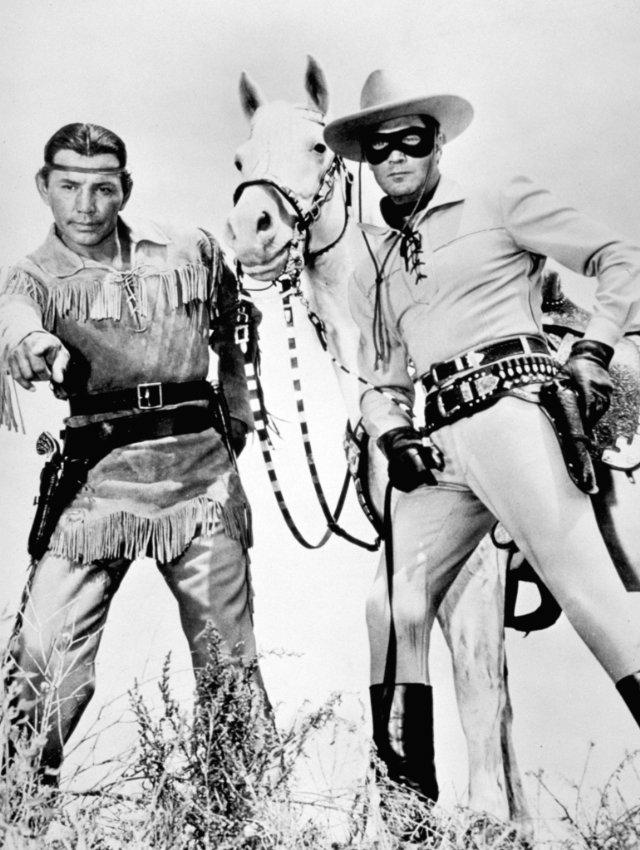

The phrase ‘Kemosabe’ is instantly recognizable to generations, primarily linked to the classic American Western, The Lone Ranger. Uttered by the Native American companion Tonto, it became an iconic form of address for the masked hero. But beyond its pop culture ubiquity, what does ‘Kemosabe’ truly mean, and what is the story behind its origin? This article delves into the linguistic roots, cultural interpretations, and the complex legacy of this memorable term.
For many, ‘Kemosabe’ simply translates to ‘faithful friend’ or ‘trusty scout,’ a term of endearment and respect from Tonto to the Lone Ranger. This interpretation is largely what permeated popular culture and became the accepted understanding for decades. However, like many terms rooted in cross-cultural interactions, its history and precise definition are far more nuanced.
The relationship between The Lone Ranger and Tonto was foundational to the series’ appeal. The Lone Ranger, a Texas Ranger, was saved by Tonto after an ambush, and together they fought injustice in the Old West. Tonto’s use of ‘Kemosabe’ for his partner highlighted their bond, suggesting a deep, almost familial connection that transcended their different backgrounds.
The term ‘Kemosabe’ first appeared in the 1930s radio show, which predated the television series. It was coined by the show’s creator, George W. Trendle, and writer Fran Striker. The popular, though possibly apocryphal, story attributes its origin to a summer camp Trendle attended as a boy in Michigan. The camp, called ‘Camp Kemosabe,’ was situated on Mullett Lake.
The official explanation provided by the show’s creators was that ‘Kemosabe’ meant ‘faithful friend’ or ‘trusty scout’ in some Native American dialect. This explanation, while convenient for the narrative, has been a subject of much debate and linguistic scrutiny over the years.
Linguists and cultural experts have largely traced the term to the Ojibwe language, also known as Anishinaabemowin, an Algonquian language spoken by the Anishinaabe people. In Ojibwe, the word Gimoozaabi (or Gii-moseyaabii) is often cited as the most probable source.


The Ojibwe word Gimoozaabi literally translates to ‘he who looks before he leaps’ or ‘one who scouts.’ This interpretation aligns well with the Lone Ranger’s character as a thoughtful, strategic hero who often plans his actions carefully. It suggests a keen observer, a person who is cautious and wise, rather than simply a ‘friend.’
Another proposed Ojibwe interpretation, Gii-mose-yaabii, can mean ‘one who walks or goes about furtively.’ This also resonates with the nature of a scout or someone who moves stealthily, much like the characters in a Western adventure.
It is important to note that ‘Kemosabe’ does not have a direct translation in Apache, despite common misconceptions. Tonto’s character was often depicted as an Apache, leading many to assume the term was from that language. This highlights a broader issue of generic or conflated representations of Native American cultures in early Hollywood.
The use of ‘Kemosabe’ by Tonto, an actor of predominantly European descent (Jay Silverheels, while Mohawk, was an exception in a largely non-Native cast playing Native roles), also contributes to the complexity. The character of Tonto himself has been a subject of criticism for perpetuating stereotypes of the ‘noble savage’ or subservient sidekick.
In the context of the radio and television show, Tonto’s broken English and the specific way he addressed the Lone Ranger became part of the series’ charm and cultural imprint. However, from a modern perspective, this portrayal often raises questions about cultural authenticity and representation.
The debate surrounding ‘Kemosabe’ often touches upon the concept of cultural appropriation. While some view it as an innocent term of endearment from a beloved fictional character, others see it as a product of a time when Native American languages and cultures were often misrepresented or simplified for entertainment.
Critics argue that inventing or misinterpreting a word from a specific culture, especially when that culture has been historically marginalized, can be problematic. It can strip the term of its true meaning and contribute to a superficial understanding of a rich linguistic heritage.
However, defenders of the term emphasize its original intent within the show: to signify a bond of loyalty and respect. They argue that its widespread adoption in popular culture has transformed it into a generic term for a trusted companion, largely divorced from any potentially problematic origins for many users.
Regardless of the varying interpretations, ‘Kemosabe’ has undeniably cemented its place in the English lexicon. It is often used informally to refer to a friend, partner, or sidekick, sometimes with a humorous or slightly archaic connotation. It transcends its original context, appearing in various forms of media, literature, and everyday conversation.
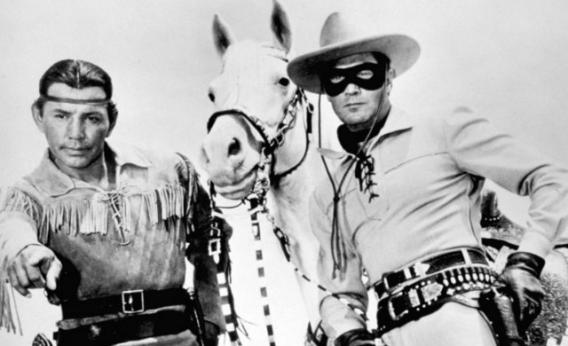

The term’s flexibility is evident in its use across different genres. From political cartoons to comedic sketches, ‘Kemosabe’ can evoke a sense of nostalgic familiarity or be used ironically to comment on unequal partnerships.
The enduring popularity of The Lone Ranger ensured ‘Kemosabe’ remained relevant for decades. Even the 2013 film adaptation, starring Johnny Depp as Tonto, brought the term back into the spotlight, reigniting discussions about its meaning and cultural implications for a new generation.
Understanding ‘Kemosabe’ requires looking beyond its simple definition in a dictionary. It’s a journey into linguistic history, the evolution of popular culture, and the ongoing dialogue about how media shapes our perceptions of different cultures.
The term serves as a powerful reminder of how fictional narratives can embed words and phrases into our collective consciousness, sometimes with unintended consequences regarding their original meanings or cultural sensitivities.
When encountering ‘Kemosabe’ today, it’s beneficial to consider its multifaceted history. While it may evoke fond memories of a classic Western for some, for others, it represents a complex piece of cultural history that warrants thoughtful consideration.
In conclusion, ‘Kemosabe,’ the iconic term from The Lone Ranger, is far more than just Tonto’s affectionate name for his masked companion. While widely understood as ‘faithful friend,’ its likely linguistic roots point to the Ojibwe word Gimoozaabi, meaning ‘he who looks before he leaps’ or ‘one who scouts.’
Its journey from a radio script to a global pop culture phenomenon has been fraught with both innocent charm and legitimate concerns about cultural representation and appropriation. The term stands as a testament to the power of media to shape language, but also as a prompt for ongoing critical engagement with our cultural heritage.
Ultimately, ‘Kemosabe’ remains a fascinating word, embodying a blend of adventure, friendship, and the complex tapestry of American cultural history.
The legacy of The Lone Ranger and its enduring catchphrases continue to spark conversation, reminding us that even the most familiar terms can hold deeper, often debated, meanings.


