
Nestled amidst the breathtaking landscapes of Central Oregon lies the Warm Springs Indian Reservation, a place of profound historical significance, vibrant culture, and enduring resilience. Home to the Confederated Tribes of Warm Springs, this vast territory represents a living legacy of the Wasco, Warm Springs (Sahaptin), and Paiute peoples.
Understanding the Warm Springs Indian Reservation is to embark on a journey through centuries of tradition, challenges, and unwavering determination. It’s an opportunity to learn about a sovereign nation that has preserved its heritage while actively shaping its future, contributing significantly to the cultural and economic tapestry of Oregon.
A Legacy Forged in Time: A Brief History
The history of the Confederated Tribes of Warm Springs predates the arrival of European settlers by thousands of years. The three distinct tribes—the Warm Springs, Wasco, and Paiute—each brought their unique languages, customs, and traditions to the region, thriving on the abundant resources of the Columbia River Plateau and the Great Basin.
The Warm Springs people, known as the ‘Tygh’ or ‘Sahaptin-speakers,’ traditionally occupied lands along the Deschutes River and its tributaries. The Wasco, or ‘Wascopam,’ were Chinookan-speakers residing primarily along the Columbia River, renowned for their fishing and trade networks. The Paiute, a Numic-speaking people, historically lived in the arid regions to the east and south.
The pivotal moment in the reservation’s history arrived with the 1855 Treaty with the Tribes of Middle Oregon. Under pressure from westward expansion, the Warm Springs and Wasco tribes ceded over 10 million acres of their ancestral lands to the U.S. government. In return, the Warm Springs Reservation, comprising approximately 640,000 acres, was established.


Later, in 1879, a band of Northern Paiute people, who had been displaced and imprisoned after the Bannock War, were relocated to the Warm Springs Reservation, eventually joining the confederation. This union of three distinct tribal groups forms the basis of the Confederated Tribes of Warm Springs as we know them today.
The Heart of Central Oregon: Geography and Environment
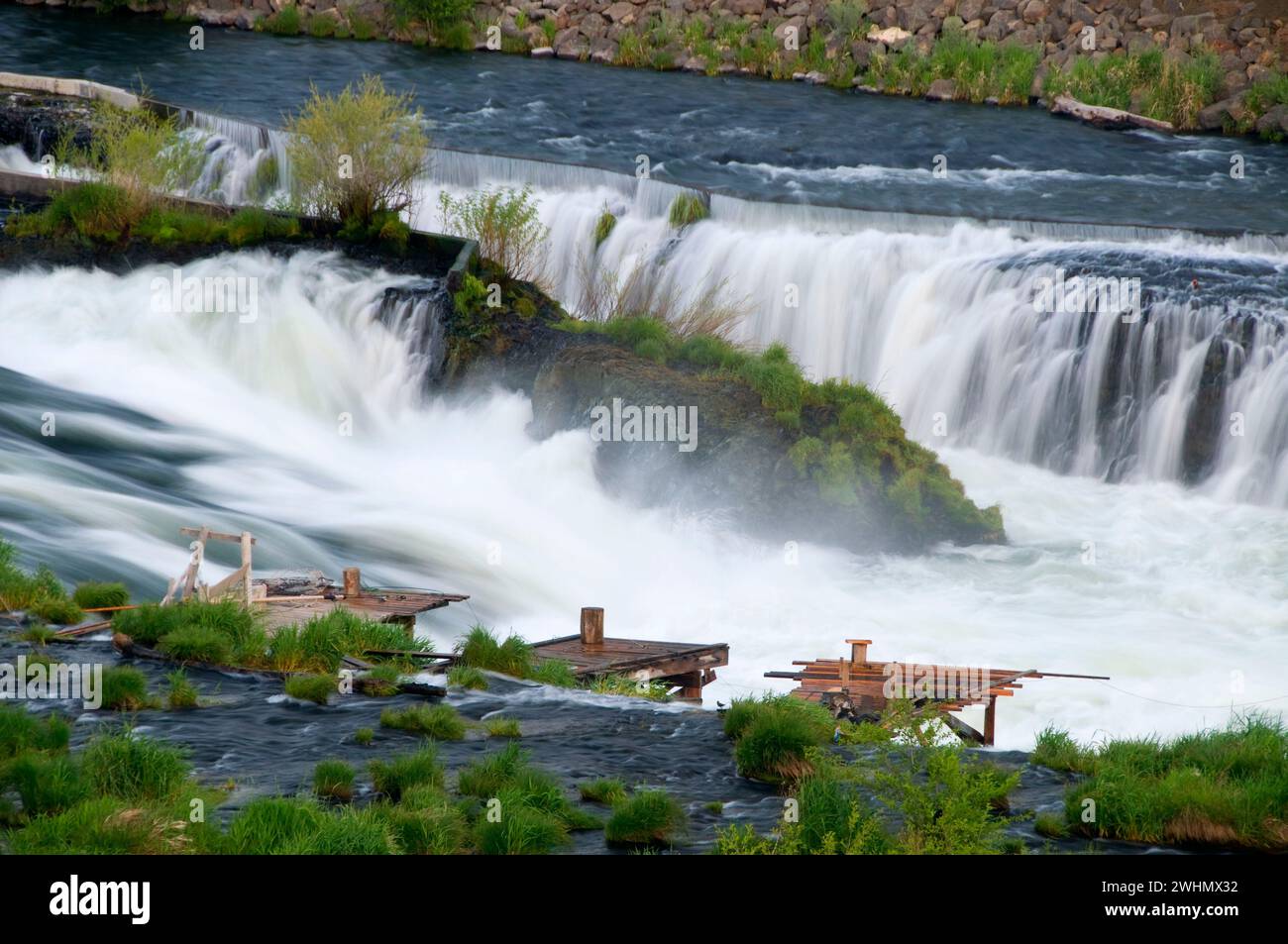
The Warm Springs Reservation is geographically diverse, spanning from lush pine forests in the west to high desert plateaus in the east. This dramatic landscape is carved by significant waterways, including the Deschutes River and the Metolius River, which are vital for both ecological health and tribal economy.
Visitors to the reservation are often struck by the panoramic views of the Cascade Mountains, including the majestic Mount Jefferson. This varied terrain supports a rich array of wildlife and natural resources, from timber to fish, which have sustained the tribes for generations and continue to be managed with deep respect for the environment.
The tribes are stewards of this land, engaging in sustainable forestry, fisheries management, and water conservation efforts. Their traditional ecological knowledge plays a crucial role in maintaining the balance of the ecosystem, ensuring resources are available for future generations.
A Tapestry of Traditions: Culture and Heritage
Cultural preservation is at the heart of the Confederated Tribes of Warm Springs. Efforts are continuously made to revitalize and teach the traditional languages: Kiksht (Wasco-Wishram), Ichishkíin (Warm Springs Sahaptin), and Numu (Northern Paiute). These languages are not just communication tools but embody the unique worldviews and histories of each tribe.
Ceremonies, dances, and storytelling remain vital aspects of tribal life, connecting community members to their ancestors and cultural roots. Public events, such as powwows, provide opportunities for both tribal members and visitors to experience the vibrant expressions of Native American culture through drumming, singing, and traditional regalia.
The Museum at Warm Springs serves as an invaluable resource, preserving and sharing the history, cultural artifacts, and artistic expressions of the Confederated Tribes. It offers a profound insight into their past and present, showcasing intricate beadwork, basketry, traditional clothing, and historical photographs.

Building for the Future: Economy and Tribal Enterprises
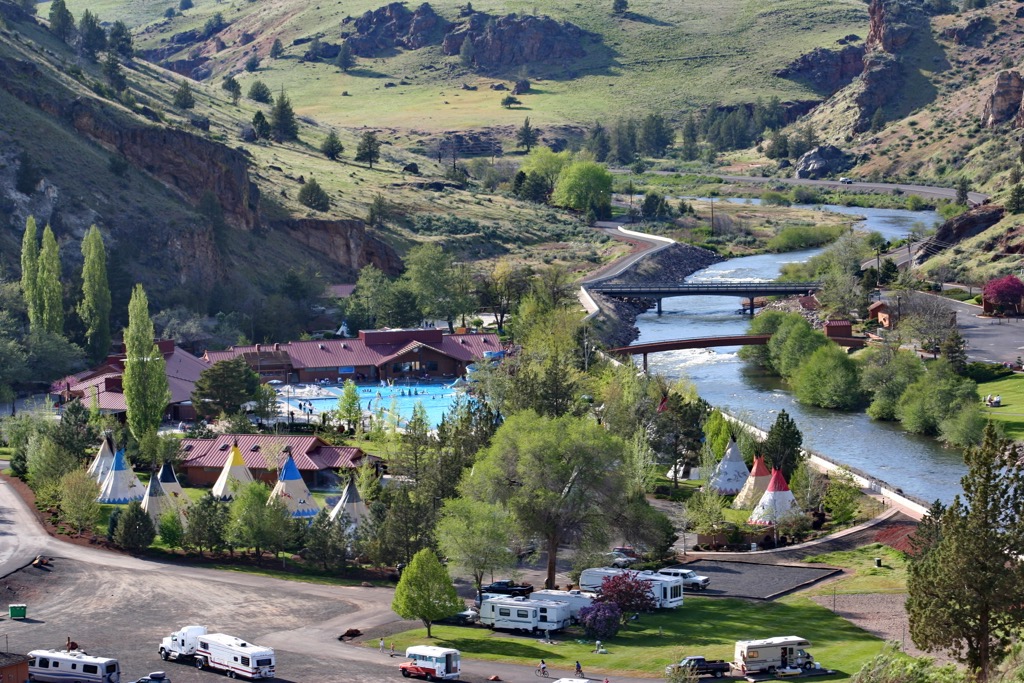
Economic development has been a key focus for the Confederated Tribes, balancing traditional values with modern opportunities. For many years, the Kah-Nee-Ta Resort & Casino was a cornerstone of the tribal economy, attracting tourists with its hot springs, lodging, and entertainment. While the resort closed in 2018, there are ongoing discussions and plans for future redevelopment, reflecting the tribes’ commitment to economic vitality.
Other significant tribal enterprises include the Pelton Round Butte Hydroelectric Project, a partnership that generates clean energy, and various natural resource ventures like sustainable timber harvesting. Agriculture, construction, and retail businesses also contribute to the tribal economy, providing employment and services to the community.
The tribes are dedicated to diversifying their economy, investing in new ventures and fostering an environment for small business growth. This strategic approach aims to create sustainable opportunities and improve the quality of life for all tribal members.
Sovereignty and Self-Determination: Governance
The Confederated Tribes of Warm Springs operate as a sovereign nation with its own distinct governmental structure. The Tribal Council, composed of elected representatives, makes decisions regarding tribal laws, policies, and resource management. This self-governance allows the tribes to address the unique needs and aspirations of their community.
This inherent sovereignty means the tribes have the authority to manage their lands, natural resources, and internal affairs, working government-to-government with federal and state entities. It’s a testament to their long struggle for self-determination and the right to chart their own course.
Community Life: Education, Health, and Social Programs
The reservation is a vibrant community with a strong focus on the well-being of its members. Educational initiatives range from early childhood programs to efforts supporting higher education, ensuring that tribal youth have access to quality learning opportunities that integrate cultural teachings.
Healthcare services are provided to address the physical and mental health needs of the community. Additionally, various social programs exist to support families, elders, and individuals, tackling challenges such as housing, poverty, and addiction with culturally sensitive approaches.
Visiting Warm Springs: An Opportunity for Cultural Exchange
The Warm Springs Indian Reservation welcomes visitors who approach with respect and a genuine interest in learning. It’s important to remember that this is a living community and a sovereign nation, not merely a tourist destination.
- Respectful Conduct: Always ask permission before taking photographs of individuals or participating in ceremonies.
- Cultural Sensitivity: Be mindful of local customs and traditions.
- Support Local: Consider supporting tribal businesses and artists.
- Explore the Museum: The Museum at Warm Springs is an excellent starting point for understanding the tribes’ history and culture.
- Outdoor Recreation: Opportunities for fishing, hiking, and enjoying the scenic beauty are available, often requiring tribal permits. Always check current regulations and access points.
While the Kah-Nee-Ta Resort is currently closed, the natural beauty of the reservation, combined with the rich cultural offerings at the Museum, still provides a compelling reason to visit and learn.
Challenges and Resilience: Looking Ahead
Like many tribal nations, the Confederated Tribes of Warm Springs face ongoing challenges, including economic disparities, infrastructure needs, and the impacts of climate change on their natural resources. However, their history is defined by remarkable resilience and a steadfast commitment to their future.
The tribes continue to advocate for their rights, pursue sustainable economic development, and innovate in areas like renewable energy. Their efforts to preserve language and culture ensure that the unique identity of the Wasco, Warm Springs, and Paiute peoples will thrive for generations to come.
The story of the Warm Springs Indian Reservation is one of constant evolution, a testament to the strength of a people who honor their past while building a dynamic future. It is a powerful example of self-determination, cultural perseverance, and the enduring spirit of Native American communities.
In conclusion, the Warm Springs Indian Reservation in Oregon is much more than a geographical location; it is a vibrant, self-governing nation rich in history, culture, and natural beauty. From the ancient traditions of the Wasco, Warm Springs, and Paiute tribes to their modern economic endeavors and commitment to cultural preservation, the Confederated Tribes offer a profound insight into indigenous resilience. We encourage everyone to learn more, visit respectfully, and appreciate the deep heritage that continues to flourish in Central Oregon.


