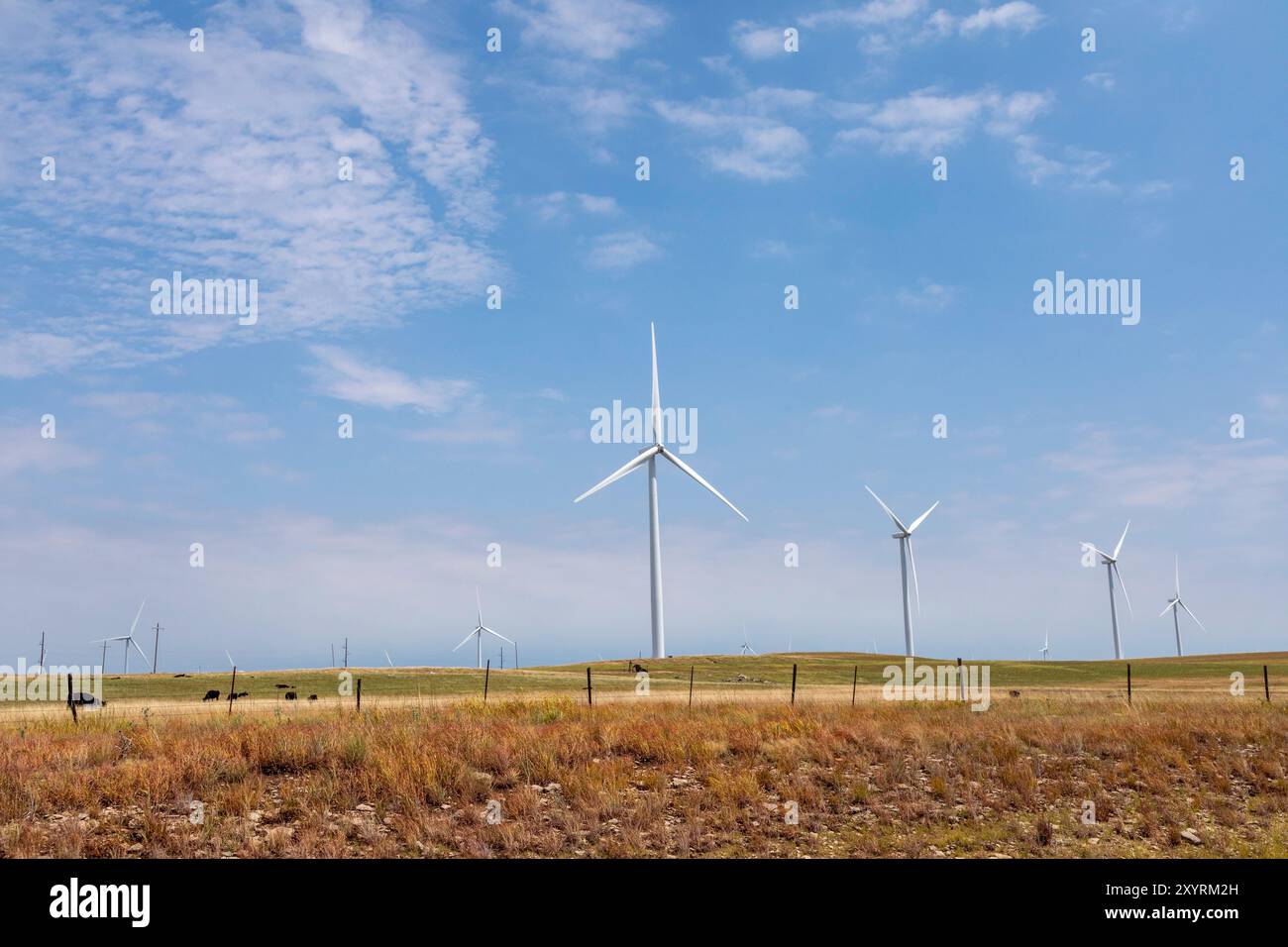

Indian Reservations across the United States are home to some of the nation’s most abundant and untapped renewable energy resources, particularly wind. With vast, open lands and strong wind corridors, these tribal lands represent a significant frontier for sustainable energy development, offering a unique blend of economic opportunity, environmental stewardship, and a path towards true energy sovereignty.
The potential is staggering. Estimates suggest that Native American lands hold approximately 5% of the total U.S. land base but possess up to 10% of the nation’s renewable energy resources, with wind being a dominant force. Harnessing this power could transform tribal economies, create jobs, and provide stable, clean energy for generations.
For many tribal nations, developing wind energy projects is not merely an economic venture; it is a profound step towards energy independence. Historically, many reservations have been reliant on external energy sources, often leading to high energy costs and limited control over their own utilities. Wind power offers a tangible way to break free from this dependency.
Economic Empowerment Through Wind
One of the most compelling aspects of wind energy development on tribal lands is its potential for significant economic growth. Projects can generate substantial revenue through land leases, power purchase agreements, and direct ownership. This revenue can then be reinvested into tribal services, infrastructure, education, and healthcare.
Beyond direct revenue, wind projects stimulate job creation. These jobs range from construction and installation to ongoing operations, maintenance, and administrative roles. Training programs can be established to equip tribal members with the necessary skills, fostering a sustainable local workforce and reducing unemployment rates.
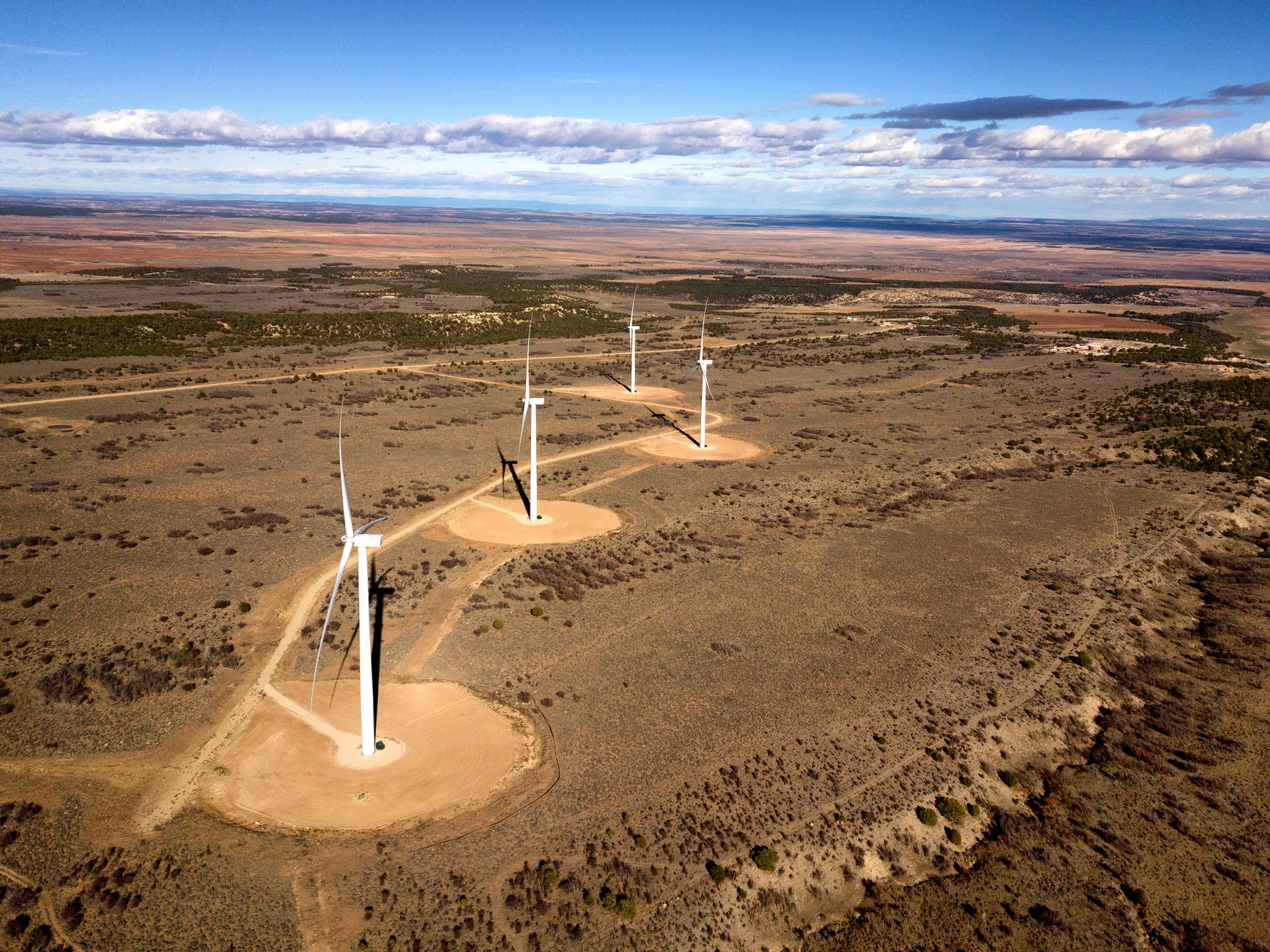

The economic impact extends to local businesses as well, through procurement of goods and services. This ripple effect strengthens the overall tribal economy, providing diversification beyond traditional industries and creating long-term financial stability.
Environmental Stewardship and Climate Action
Tribal nations have long been stewards of the land, and renewable energy development aligns perfectly with these deeply held cultural values. Wind energy produces no greenhouse gas emissions during operation, contributing significantly to climate change mitigation and improving air quality.
By investing in wind power, tribes are actively participating in the global effort to reduce carbon footprints and transition to a cleaner energy economy. This commitment to environmental protection not only benefits their own communities but also sets an example for sustainable development worldwide.
Furthermore, land use for wind farms can often coexist with other activities, such as grazing or agriculture, minimizing environmental disruption. Careful planning and environmental impact assessments are crucial to ensure that projects respect ecosystems and wildlife.
Navigating the Challenges: Obstacles to Development
Despite the immense potential, developing wind energy on Indian Reservations is not without its unique set of challenges. These can range from complex regulatory frameworks to significant upfront capital requirements and infrastructure limitations.
Financing often presents a major hurdle. While federal grants and loan programs exist, securing the necessary investment for large-scale projects can be difficult. Tribal governments may have limited access to conventional financing mechanisms, and private investors might be wary of perceived risks associated with tribal land status.
Another significant challenge is transmission infrastructure. Many reservations are located in remote areas, far from existing transmission lines. Connecting new wind farms to the national grid requires substantial investment in new lines and upgrades, which can be costly and time-consuming.


Regulatory complexities involving multiple jurisdictions – tribal, federal, and state – can create protracted permitting processes. Navigating the Bureau of Indian Affairs (BIA) and other federal agencies, alongside state utility commissions, requires specialized expertise and patience.
Cultural considerations are paramount. Project developers must engage in respectful consultation with tribal elders and community members to ensure that wind farms do not interfere with sacred sites, traditional practices, or culturally significant landscapes. This requires a nuanced approach and a deep understanding of tribal sovereignty.
Federal Support and Initiatives
Recognizing the potential and the challenges, the U.S. government has established various programs to support tribal energy development. The Department of Energy (DOE) Tribal Energy Program provides financial assistance, technical assistance, and education to tribes pursuing clean energy projects.
Other agencies like the Department of the Interior (DOI) and the Environmental Protection Agency (EPA) also offer resources, grants, and regulatory guidance. These programs aim to build tribal capacity, facilitate project development, and ensure compliance with environmental and cultural regulations.
Successful Models and Case Studies
Several tribal nations have successfully pioneered wind energy projects, serving as inspiring models for others. The Campo Kumeyaay Nation in California, for instance, developed one of the first utility-scale wind projects on tribal lands, demonstrating both economic viability and environmental responsibility.
The Cowlitz Indian Tribe in Washington has also explored wind development as part of a broader strategy for sustainable resource management. These projects highlight the diverse approaches tribes can take, from land leases to joint ventures and full tribal ownership.
Another notable example is the Prairie Wind Project on the Rosebud Sioux Reservation in South Dakota, which aimed to be tribally owned and operated, emphasizing energy independence and local economic benefits.
The Path Forward: Building Capacity and Collaboration
Overcoming the challenges requires a multi-faceted approach. Building tribal capacity through education and training is essential, empowering tribal members to lead and manage their own energy initiatives. This includes expertise in project management, finance, engineering, and policy.
Strong partnerships between tribal governments, private developers, federal agencies, and non-profit organizations are crucial. Collaborative models can help pool resources, share expertise, and mitigate risks, accelerating the pace of development.
Advocacy for policy changes that streamline permitting, improve transmission access, and increase funding opportunities specifically for tribal energy projects will also be vital. Tailored regulatory frameworks could significantly ease the development process.
Wind Energy and Tribal Sovereignty
Ultimately, the pursuit of wind energy on Indian Reservations is deeply intertwined with the concept of tribal sovereignty. By developing their own energy resources, tribes assert greater control over their land, their economies, and their future. It’s a statement of self-determination and resilience.
Energy sovereignty means having the ability to make independent decisions about energy production, distribution, and consumption, aligning these choices with tribal values and long-term community goals. Wind power provides a powerful tool to achieve this.
Conclusion: A Sustainable Future Takes Flight
The journey towards widespread wind energy development on Indian Reservations is complex but immensely promising. With vast resources, a commitment to environmental stewardship, and a strong desire for economic self-sufficiency, tribal nations are uniquely positioned to become leaders in the clean energy transition.
While financial, infrastructural, and regulatory hurdles remain, the growing collaboration between tribal governments, federal agencies, and private partners, coupled with successful pioneering projects, paints a hopeful picture. Unleashing the full potential of wind power on tribal lands will not only benefit Native American communities but also contribute significantly to a cleaner, more sustainable energy future for the entire nation.

.jpeg?w=200&resize=200,135&ssl=1 "Job Training Programs On Indian Reservations")


