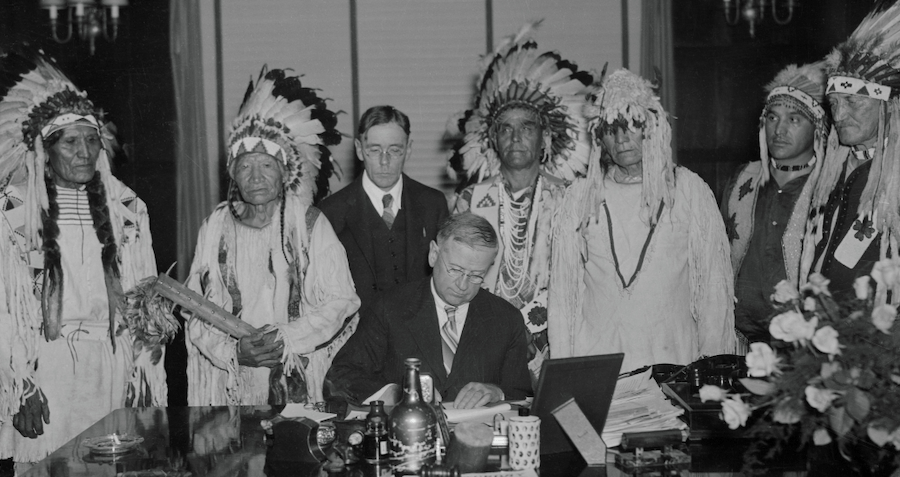

The right to vote is a cornerstone of American democracy, yet for Native Americans living on Indian reservations, this right has historically been, and continues to be, fraught with challenges. This article delves into the multifaceted issues surrounding voting rights on Indian reservations, examining the historical context, legal battles, and ongoing efforts to ensure fair and equal access to the ballot box for all Native American citizens.
Historical Context: A Legacy of Disenfranchisement
The history of Native American voting rights in the United States is one marked by exclusion and discrimination. Despite the 15th Amendment granting voting rights regardless of race or previous condition of servitude, Native Americans were often denied the right to vote through various legal and extralegal means.
Initially, many states denied Native Americans the right to vote based on their status as non-taxpayers or because they were not considered citizens. Even after the Indian Citizenship Act of 1924 granted citizenship to all Native Americans born in the U.S., discriminatory practices persisted.
These practices included literacy tests, poll taxes, and residency requirements that were difficult for Native Americans living on reservations to meet. Furthermore, cultural and language barriers, coupled with a lack of accessible polling places, further disenfranchised Native American voters.
Legal Challenges and Landmark Cases
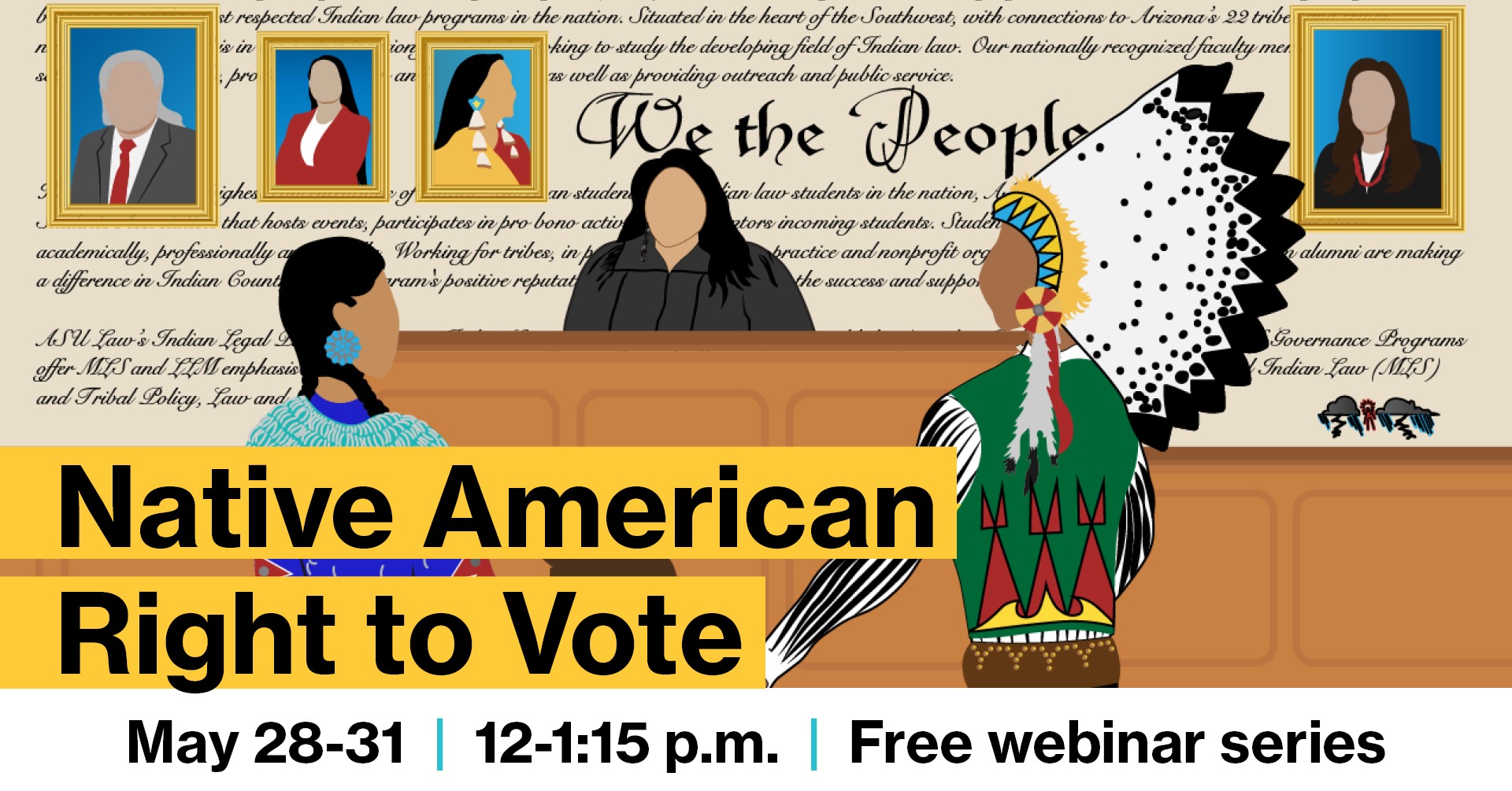

Throughout the 20th and 21st centuries, numerous legal challenges have sought to dismantle these discriminatory barriers and protect Native American voting rights. Several landmark cases have played a crucial role in shaping the legal landscape.
- Rice v. Cayetano (2000): While not directly related to reservations, this Supreme Court case addressed voting rights for Native Hawaiians, highlighting the complexities of race-based voting classifications.
- Arizona v. Navajo Nation (2023): This case, though focused on water rights, underscores the federal government’s trust responsibility to Native American tribes, a concept that extends to other areas, including voting rights.
The Voting Rights Act of 1965 (VRA) has been instrumental in protecting Native American voting rights. Section 5 of the VRA required certain states and jurisdictions with a history of discrimination to obtain preclearance from the Department of Justice before making changes to their voting laws. This provision helped prevent the implementation of new discriminatory measures.
However, the Supreme Court’s decision in Shelby County v. Holder (2013) weakened Section 5, leading to concerns about the potential for increased voter suppression in Native American communities.
Barriers to Voting on Indian Reservations Today
Many reservations are located in remote areas with limited access to transportation, making it difficult for residents to reach polling places. The lack of reliable internet access also hinders online voter registration and access to election information.
Strict voter ID laws, which require voters to present specific forms of identification at the polls, can disproportionately affect Native Americans. Many Native Americans may not have driver’s licenses or other forms of ID that meet the requirements, and obtaining these documents can be challenging due to the lack of government offices on or near reservations.
Language barriers can prevent Native American voters from fully understanding the voting process. A lack of bilingual election materials and poll workers can further exacerbate these challenges. Cultural differences and a distrust of government institutions can also discourage participation.
Gerrymandering, the practice of drawing electoral district boundaries to favor one political party or group, can dilute the voting power of Native American communities. By dividing reservations into multiple districts, gerrymandering can prevent Native Americans from electing candidates who represent their interests.


Efforts to Improve Voter Access
Organizations conduct voter registration drives on reservations to help Native Americans register to vote. These drives often involve providing assistance with completing registration forms and answering questions about the voting process.
Get-out-the-vote (GOTV) campaigns aim to increase voter turnout by informing Native Americans about upcoming elections and encouraging them to vote. These campaigns may involve phone banking, door-to-door canvassing, and social media outreach.
Legal organizations file lawsuits to challenge discriminatory voting laws and practices. These lawsuits seek to ensure that Native Americans have equal access to the ballot box.
Advocacy groups work to raise awareness about the challenges facing Native American voters and to advocate for policy changes that will improve voter access.
Providing educational resources in native languages so tribal members can fully understand the voting process.
The Role of Tribal Governments
Tribal governments play a crucial role in promoting voter participation within their communities. Many tribes have established their own election boards or committees to oversee voter registration and GOTV efforts. Tribal governments can also work with state and local election officials to ensure that polling places are accessible and that election materials are available in Native languages.
The Importance of Native American Voter Turnout
Increasing Native American voter turnout is essential for ensuring that the voices of Native American communities are heard in government. When Native Americans vote, they can elect representatives who will advocate for their interests on issues such as tribal sovereignty, healthcare, education, and environmental protection.
Moreover, increased Native American voter turnout can help to hold elected officials accountable to the needs of Native American communities. By participating in the political process, Native Americans can shape the policies and decisions that affect their lives.
Addressing Common Questions (People Also Ask)
Why is it difficult for Native Americans to vote?
Native Americans face numerous barriers to voting, including geographic isolation, lack of transportation, discriminatory voter ID laws, language barriers, and gerrymandering.
What laws protect Native American voting rights?
The Voting Rights Act of 1965 (VRA) has been instrumental in protecting Native American voting rights. However, the Supreme Court’s decision in Shelby County v. Holder (2013) weakened Section 5 of the VRA, leading to concerns about potential voter suppression.
How can I help Native Americans vote?
You can help by supporting organizations that conduct voter registration drives and GOTV campaigns on reservations, advocating for policy changes that will improve voter access, and educating yourself and others about the challenges facing Native American voters.
What is the impact of low voter turnout in Native American communities?
Low voter turnout can result in Native American communities being underrepresented in government and their voices not being heard on important issues.
What is the significance of tribal sovereignty in the context of voting rights?
Tribal sovereignty recognizes the inherent right of Native American tribes to govern themselves. Protecting tribal sovereignty is essential for ensuring that tribes have the authority to make decisions about their own elections and to advocate for the voting rights of their citizens.
Conclusion: The Path Forward
Ensuring equal access to the ballot box for Native Americans living on Indian reservations is a moral imperative and a critical step towards fulfilling the promise of American democracy. By addressing the historical and ongoing barriers to voting, supporting voter registration and GOTV efforts, and advocating for policy changes that protect Native American voting rights, we can create a more just and equitable society for all.
The fight for Native American voting rights is far from over. It requires sustained effort, collaboration, and a commitment to upholding the principles of equality and justice for all citizens, regardless of their race or geographic location. The future of Native American communities, and indeed the integrity of American democracy, depends on it.


