
New Mexico, often called the ‘Land of Enchantment,’ is deeply interwoven with the enduring legacy and vibrant presence of its Indigenous peoples. The state is home to 23 federally recognized Native American tribes, each with its own distinct history, language, culture, and sovereign government. Exploring these tribal lands offers an unparalleled opportunity to connect with ancient traditions, breathtaking landscapes, and living histories that stretch back millennia.
The story of Indigenous peoples in New Mexico is one of profound resilience and cultural continuity. Long before European arrival, complex societies flourished across this diverse terrain, building sophisticated communities, developing intricate agricultural systems, and fostering rich spiritual traditions. These ancestral lands are not merely geographical locations but living testaments to generations of human ingenuity and spiritual connection to the earth.
Understanding what ‘tribal lands’ means is crucial for any visitor. These are territories held in trust by the U.S. federal government for Native American tribes or are lands owned outright by the tribes. Each tribal nation exercises sovereignty, meaning they have the inherent right to govern themselves, establish their own laws, and manage their own resources, distinct from state and local jurisdictions.
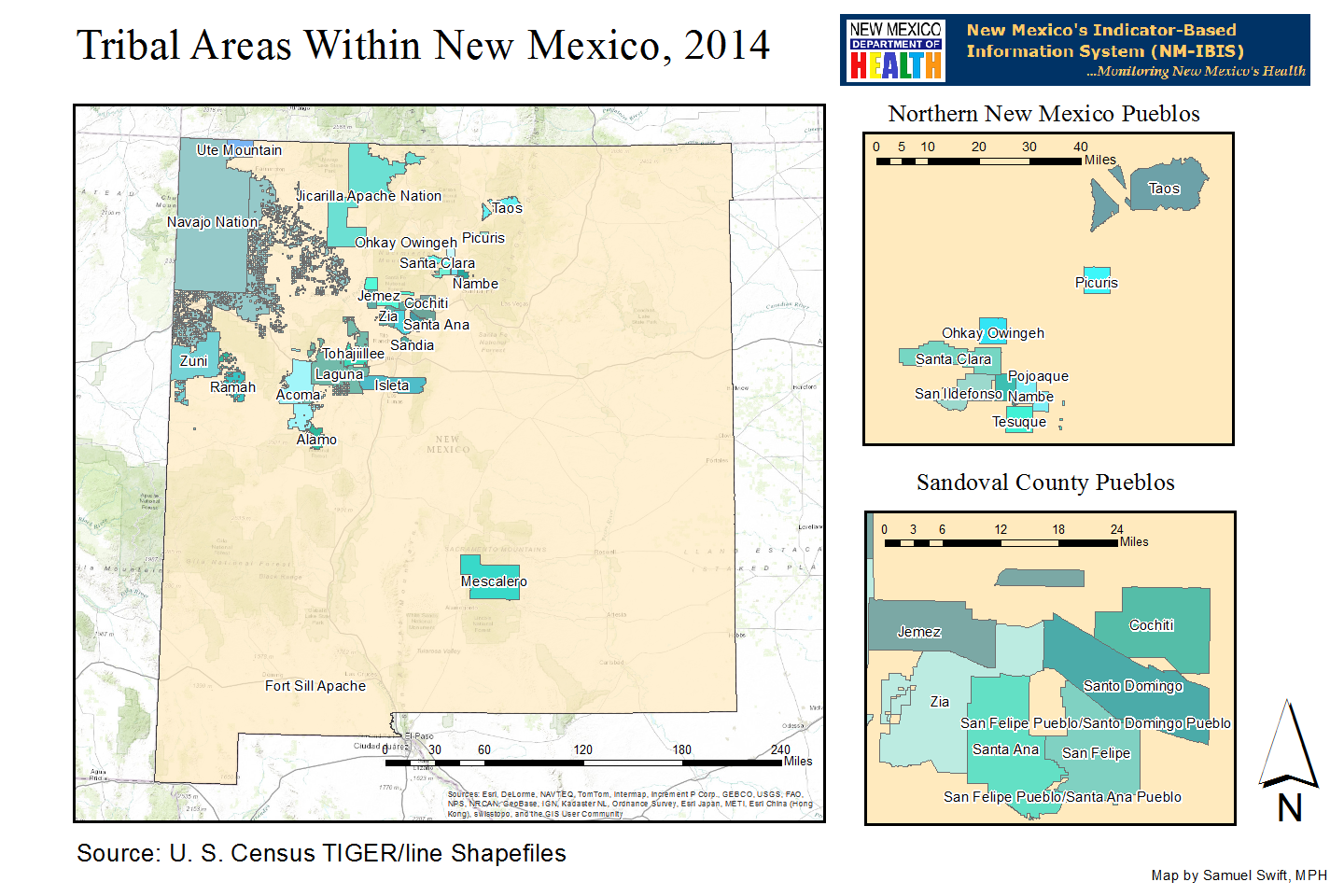
Among the most well-known are the 19 Pueblos of New Mexico. These communities are descendants of the ancient Puebloan people, known for their distinctive adobe architecture, agricultural prowess, and deep spiritual connection to their ancestral homes. The Pueblos are spread across the Rio Grande corridor and beyond, each offering a unique window into Native American heritage.
One of the most iconic is Acoma Pueblo, often referred to as ‘Sky City.’ Perched atop a 370-foot mesa, it is one of the oldest continuously inhabited communities in North America, dating back over 800 years. Visitors can take guided tours to explore its historic village, learn about its intricate pottery traditions, and witness its incredible resilience.
Further north lies Taos Pueblo, a UNESCO World Heritage Site and a National Historic Landmark. Its multi-story adobe buildings have been continuously inhabited for over 1,000 years, making it another remarkable testament to enduring Indigenous culture. Visiting Taos Pueblo requires respect for its residents and adherence to specific cultural protocols.
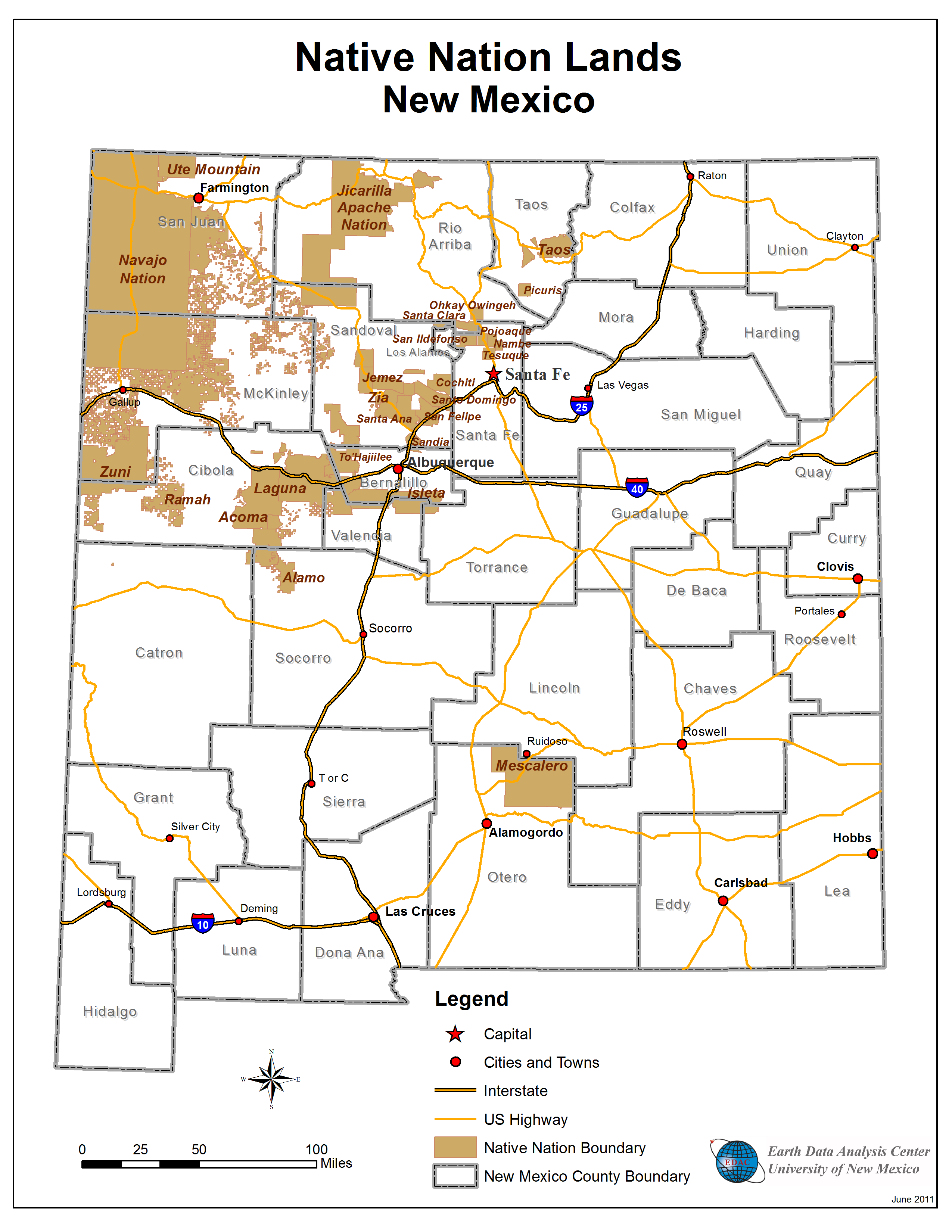
Other notable Pueblos include Zuni, renowned for its intricate silver and turquoise jewelry; San Ildefonso, famous for its black-on-black pottery pioneered by Maria Martinez; and Santa Clara, known for its deep red and black pottery and impressive cliff dwellings within its ancestral lands.
Beyond the Pueblos, New Mexico is also home to a significant portion of the Navajo Nation (Diné Bikéyah), the largest Native American reservation in the United States. Spanning parts of Arizona, Utah, and New Mexico, its vast landscapes feature iconic formations like Shiprock and Monument Valley, and its people maintain a rich tradition of weaving, silversmithing, and a distinct language.
The Apache Tribes of New Mexico, specifically the Mescalero Apache and Jicarilla Apache, also hold significant historical and cultural importance. The Mescalero Apache Nation is located in south-central New Mexico, encompassing forested mountains and desert lands, while the Jicarilla Apache Nation resides in the northern part of the state. Both nations are known for their strong warrior traditions, intricate basketry, and vibrant ceremonial practices.
Tribal sovereignty is a cornerstone of Native American identity and governance. It means that tribal governments operate much like state governments, with their own judicial systems, law enforcement, and regulatory bodies. This autonomy allows tribes to protect their cultural practices, manage their lands, and pursue economic development in ways that align with their values.
The preservation of Indigenous culture is paramount on tribal lands. Many tribes actively work to maintain their ancestral languages, traditional ceremonies, and sacred sites. These efforts are not only for the benefit of their own people but also contribute significantly to the cultural diversity and richness of the entire state and nation.
Tribal communities contribute significantly to New Mexico’s economy. Many tribes operate successful enterprises, including casinos, resorts, cultural centers, and agricultural businesses. Tourism, in particular, plays a vital role, providing opportunities for visitors to experience Indigenous cultures firsthand and support local economies directly.
Native American art and craftsmanship are world-renowned, and tribal lands are often the best places to find authentic pieces. From the intricate pottery of the Pueblos to the stunning silver and turquoise jewelry of the Navajo and Zuni, and the detailed basketry of the Apache, these art forms are not just commodities but expressions of deep cultural identity and history.
Visiting Tribal Lands: Essential Guidelines for Respectful Engagement
When planning a visit to any tribal land, the most important principle is respect. Remember that you are entering sovereign nations with their own rules and customs. Approaching these visits with an open mind, a willingness to learn, and a commitment to respectful behavior will ensure a positive experience for everyone.
Always check tribal websites or call ahead for specific visitor guidelines, hours of operation, and any required permits. Some areas may be closed to the public for ceremonial purposes, while others might require a permit for hiking, fishing, or even general entry. These rules are in place to protect the land, culture, and privacy of the residents.
Photography is often restricted, especially during ceremonies or of individuals. If photography is permitted, always ask for permission before taking pictures of people, sacred sites, or specific art forms. A simple ‘May I take your picture?’ goes a long way. When in doubt, refrain from taking photos.
When driving through tribal lands, stay on designated public roads. Do not trespass on private property or venture off marked paths. Observe posted speed limits and be aware of wildlife. Littering is strictly prohibited and disrespectful to the land and its caretakers.
Experiencing Indigenous Culture: Public Events and Opportunities
Many tribal communities host public events throughout the year, offering incredible opportunities to witness traditional dances, feast days, and powwows. These events are vibrant celebrations of culture, featuring drumming, singing, traditional attire, and delicious food. Check calendars for specific Pueblo Feast Days or Navajo Nation events.
Numerous museums and cultural centers are located on or near tribal lands, providing invaluable educational resources. The Indian Pueblo Cultural Center in Albuquerque, for example, offers an excellent introduction to the 19 Pueblos of New Mexico, featuring exhibits, dances, and a restaurant serving traditional Pueblo cuisine.
For outdoor enthusiasts, some tribal lands offer opportunities for hiking, fishing, and camping. However, these activities are often subject to specific tribal regulations and require permits. Always inquire about rules for fishing licenses, camping spots, and trail access before planning your adventure.
Common Questions About New Mexico’s Tribal Lands Answered
How many tribal lands are in New Mexico? New Mexico is home to 23 federally recognized Native American tribes: 19 Pueblos, the Navajo Nation, and the Mescalero, Jicarilla, and Fort Sill Apache tribes. Each has distinct land areas and cultural practices.
What is the largest tribal land in New Mexico? The largest tribal land in New Mexico, and indeed the entire United States, is the Navajo Nation. While its total territory spans three states, a significant portion lies within New Mexico.
Can non-Natives live on tribal lands? Generally, no. Living on tribal lands is typically restricted to tribal members. There are exceptions for individuals married to tribal members or specific employment situations, but it’s not open for general residency.
What is the difference between a Pueblo and a Tribe? The term ‘Pueblo’ specifically refers to the sedentary agricultural communities of the American Southwest, known for their multi-story adobe villages. While ‘Pueblo’ is a Spanish term, the communities themselves are distinct tribes with their own languages and customs. ‘Tribe’ is a broader term encompassing various Indigenous groups, including nomadic or semi-nomadic peoples like the Apache, who have different cultural practices and historical living arrangements than the Pueblos.
What are the legal implications of tribal land? Tribal lands operate under tribal law, which can differ from state and federal laws. Visitors should be aware that tribal police enforce tribal laws, and tribal courts handle legal matters within their jurisdiction. It’s essential to respect these legal frameworks.
How can I support tribal economies and communities? Beyond respectful visitation, you can support tribal communities by purchasing authentic arts and crafts directly from tribal artists or reputable tribal-owned businesses. Patronize tribal-owned hotels, restaurants, and cultural centers. Your tourism dollars directly benefit the local economy and help sustain cultural preservation efforts.
Like all communities, tribal nations face ongoing challenges, including issues related to water rights, economic development, healthcare, and the preservation of languages and traditions in a modern world. Many tribes are actively engaged in self-determination efforts to address these issues and build stronger, more sustainable futures for their people.
Despite these challenges, the future of tribal lands in New Mexico is marked by resilience, innovation, and a profound commitment to cultural revitalization. Tribes are leading initiatives in renewable energy, sustainable agriculture, and educational programs that ensure their heritage continues to thrive for generations to come.
In conclusion, New Mexico’s tribal lands are not just destinations; they are living cultural landscapes, vibrant communities, and sacred spaces. By understanding their history, respecting their sovereignty, and engaging with their cultures thoughtfully, visitors can gain an enriching and unforgettable experience, fostering appreciation for the enduring spirit of Indigenous peoples in the Land of Enchantment.


