

Idaho, renowned for its stunning landscapes and outdoor recreation, is also home to several Native American tribes with deep historical roots. Understanding the tribal lands within Idaho offers a crucial perspective on the state’s cultural heritage and its complex relationship with its indigenous populations. This comprehensive guide will delve into the history, significance, and contemporary issues surrounding tribal lands in Idaho.
What are Tribal Lands?
Tribal lands, also known as reservations, are areas of land reserved by treaty or federal law for use by specific Native American tribes. These lands are generally governed by the tribal government, which has jurisdiction over its members and activities within the reservation boundaries. Tribal lands serve as a vital foundation for preserving cultural identity, practicing traditional customs, and fostering economic self-sufficiency for Native American communities.
Federally Recognized Tribes in Idaho
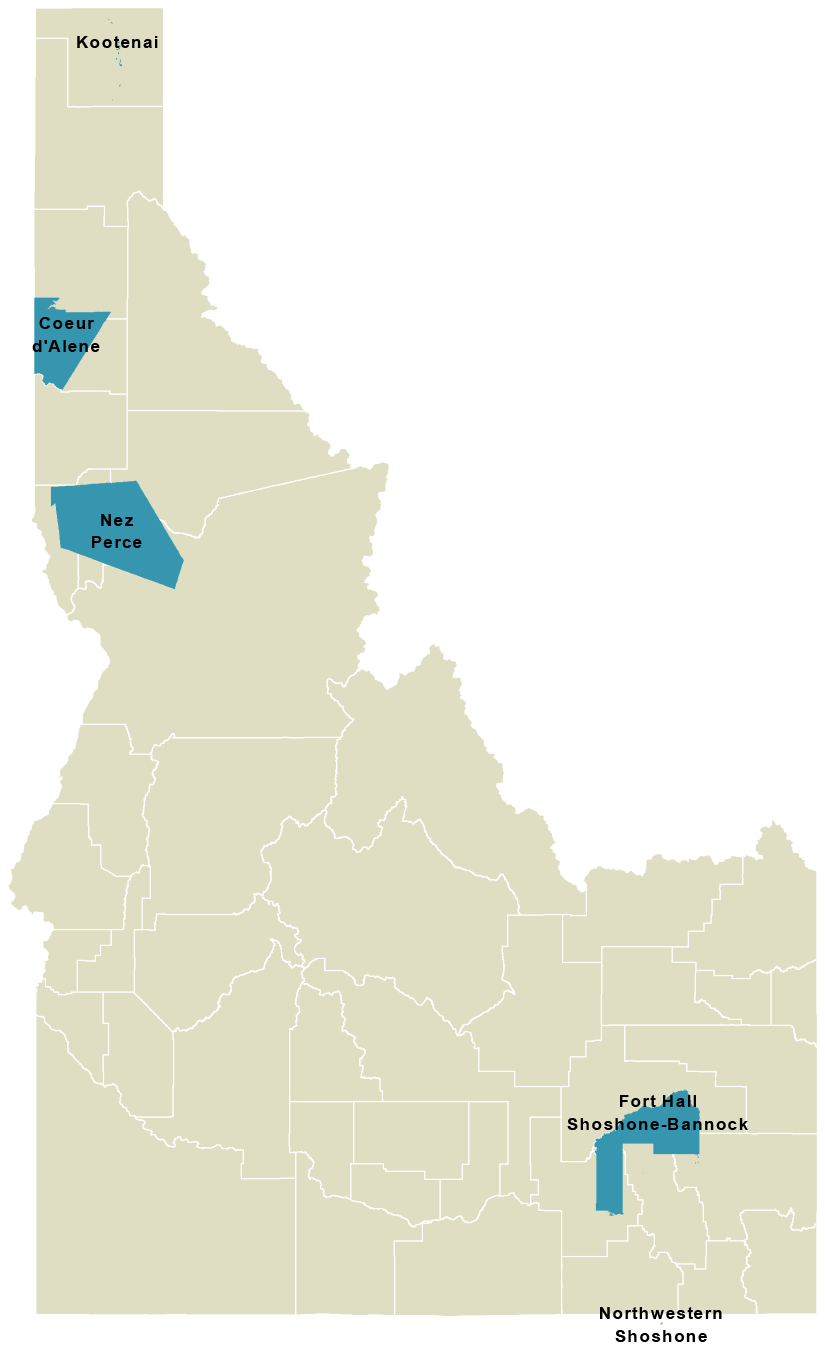
- Coeur d’Alene Tribe
- Kootenai Tribe of Idaho
- Nez Perce Tribe
- Shoshone-Bannock Tribes of the Fort Hall Reservation
- Shoshone-Paiute Tribes of the Duck Valley Reservation
Each of these tribes possesses distinct treaty rights, governmental structures, and cultural practices that contribute to the diverse tapestry of Idaho’s heritage. Understanding each tribe’s unique identity is essential for appreciating the full scope of tribal lands in Idaho.

Coeur d’Alene Tribe
The Coeur d’Alene Tribe, whose name means ‘heart of an awl’ in French, historically occupied a vast territory in northern Idaho, eastern Washington, and western Montana. Today, their reservation encompasses the southern end of Lake Coeur d’Alene. The tribe has made significant strides in economic development, operating a successful casino, golf course, and other businesses. They are also deeply committed to preserving their language and cultural traditions.
Kootenai Tribe of Idaho
The Kootenai Tribe of Idaho, also known as the Ktunaxa, are known for their unique language and cultural practices. Their aboriginal territory spanned parts of Idaho, Montana, and British Columbia. The Kootenai Tribe’s current reservation is located near Bonners Ferry in northern Idaho. They are actively involved in natural resource management and cultural preservation efforts.
Nez Perce Tribe
The Nez Perce Tribe, or Nimiipuu (‘the people’), are renowned for their history, including their interactions with the Lewis and Clark Expedition. Their ancestral lands stretched across present-day Idaho, Oregon, Washington, and Montana. Today, the Nez Perce Reservation is located in north-central Idaho. The tribe is a leader in salmon recovery efforts and operates various economic enterprises.
Shoshone-Bannock Tribes of the Fort Hall Reservation
The Shoshone-Bannock Tribes reside on the Fort Hall Reservation in southeastern Idaho. These tribes have a rich history of hunting, fishing, and gathering in the region. They are actively involved in agriculture, gaming, and other economic activities. The Shoshone-Bannock Tribes are dedicated to preserving their cultural heritage and traditions.
Shoshone-Paiute Tribes of the Duck Valley Reservation
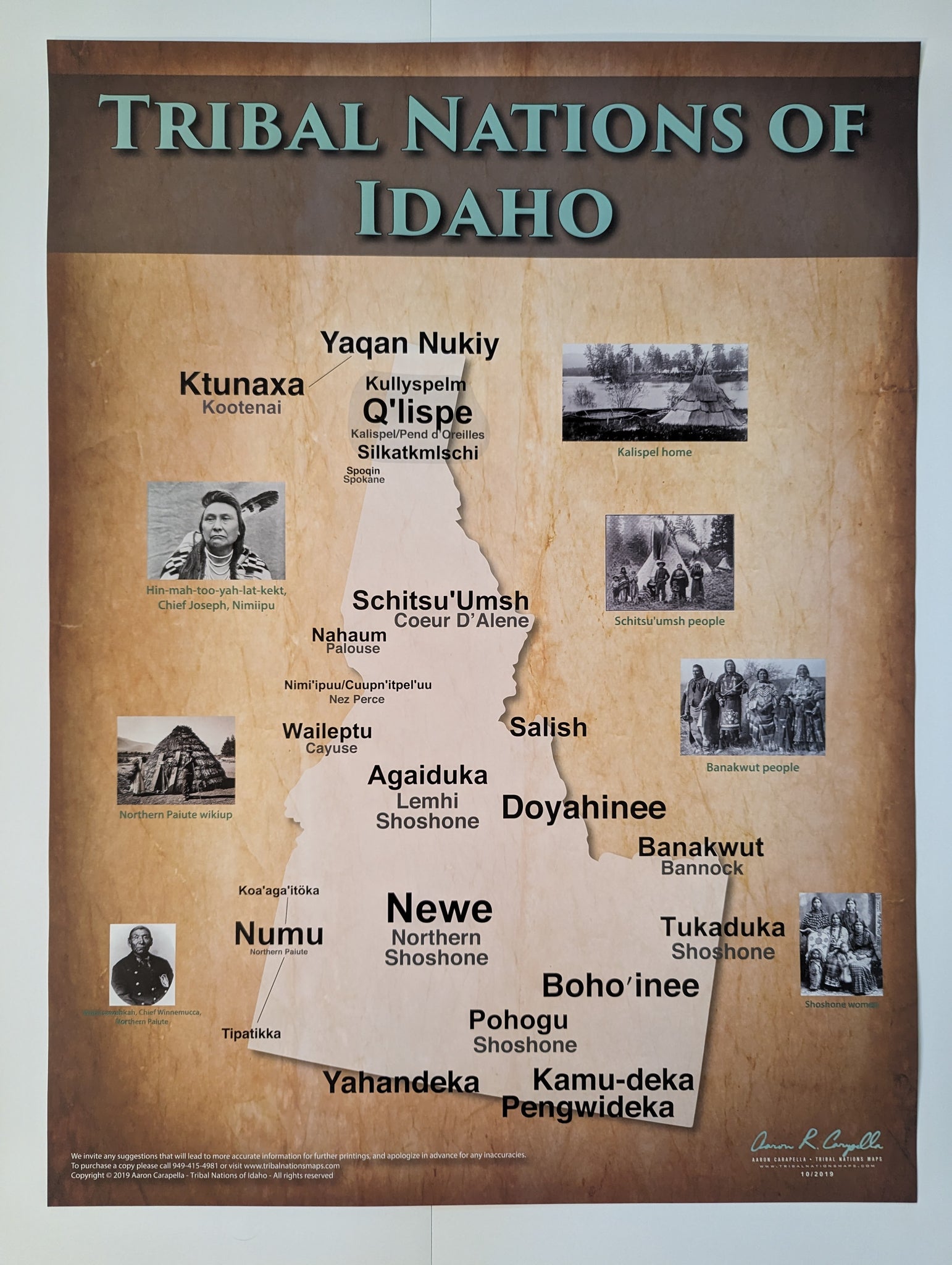

The Shoshone-Paiute Tribes of the Duck Valley Reservation share a reservation that straddles the border between Idaho and Nevada. The tribes have a long history of living in the high desert environment and are skilled in traditional resource management practices. They are engaged in agriculture, ranching, and other economic activities.
The Significance of Tribal Lands
- Cultural Preservation: Tribal lands provide a space for tribes to maintain their cultural traditions, languages, and spiritual practices.
- Sovereignty: Tribal lands are central to tribal sovereignty, allowing tribes to govern themselves and make decisions about their own affairs.
- Economic Development: Tribal lands offer opportunities for economic development, enabling tribes to create jobs and improve the quality of life for their members.
- Resource Management: Tribal lands are often rich in natural resources, which tribes manage to benefit their communities.
Economic Activities on Tribal Lands
- Gaming: Several tribes operate casinos, which provide employment and revenue for tribal governments.
- Agriculture: Agriculture is a significant industry on many tribal lands, with tribes growing crops and raising livestock.
- Tourism: The scenic beauty and cultural attractions of tribal lands draw tourists, creating economic opportunities for tribes.
- Natural Resource Management: Tribes manage timber, minerals, and water resources on their lands, generating revenue and supporting sustainable development.
Challenges Facing Tribal Lands
- Poverty: Many tribal communities experience high rates of poverty and unemployment.
- Healthcare Access: Access to adequate healthcare can be limited on tribal lands.
- Education: Educational attainment levels are often lower on tribal lands compared to the state average.
- Environmental Issues: Tribal lands can be vulnerable to environmental degradation, including water and air pollution.
Addressing these challenges requires collaborative efforts between tribal governments, state and federal agencies, and private organizations.
Environmental Stewardship and Tribal Lands
- Salmon Recovery: The Nez Perce Tribe is a leader in efforts to restore salmon populations in the Snake River basin.
- Water Management: Tribes are working to protect water quality and ensure access to water resources for their communities.
- Forest Management: Tribes are implementing sustainable forestry practices to manage timber resources and protect forest ecosystems.
Cultural Preservation Efforts
- Language Revitalization: Tribes are working to revitalize their native languages through language immersion programs and other initiatives.
- Cultural Centers and Museums: Tribes operate cultural centers and museums to showcase their history and culture.
- Traditional Arts and Crafts: Tribes support the creation and sale of traditional arts and crafts, providing economic opportunities for tribal members and preserving cultural knowledge.
Tribal Governance and Sovereignty
Tribal governance is a cornerstone of tribal sovereignty. Each of the five federally recognized tribes in Idaho has its own form of government, typically including a tribal council or similar governing body. These governments have the authority to make laws, manage resources, and provide services to their members. The relationship between tribal governments and the state of Idaho is complex, involving issues of jurisdiction, taxation, and resource management.
Key Issues in Idaho Tribal Relations
- Water Rights: Water rights are a critical issue for tribes in the arid West. Tribes often have treaty rights to water resources, but these rights can be challenged or infringed upon.
- Gaming Compacts: The operation of casinos on tribal lands is governed by compacts between the tribes and the state. These compacts outline the terms and conditions under which gaming can occur.
- Land Use Planning: Land use planning on and around tribal lands can be a source of conflict, particularly when it involves development or resource extraction.
How to Respect Tribal Lands and Cultures
- Ask Permission: Always ask permission before entering tribal lands or engaging in activities such as hiking or fishing.
- Respect Sacred Sites: Avoid disturbing or damaging sacred sites.
- Learn About the Culture: Take the time to learn about the history and culture of the tribe whose land you are visiting.
- Support Tribal Businesses: Patronize tribal businesses, such as casinos, restaurants, and art galleries.
The Future of Tribal Lands in Idaho
The future of tribal lands in Idaho depends on continued collaboration between tribal governments, state and federal agencies, and private organizations. By working together, these stakeholders can address the challenges facing tribal communities and create opportunities for economic development, cultural preservation, and environmental stewardship. Investing in education, healthcare, and infrastructure on tribal lands will be essential for improving the quality of life for tribal members. Supporting tribal sovereignty and self-determination will empower tribes to shape their own destinies.
Conclusion
Tribal lands in Idaho represent a vital part of the state’s history, culture, and economy. Understanding the significance of these lands and the challenges facing tribal communities is essential for building a more just and equitable society. By respecting tribal sovereignty, supporting tribal self-determination, and working collaboratively to address the issues facing tribal lands, we can help ensure a brighter future for all Idahoans. The rich heritage and enduring resilience of Idaho’s tribes contribute significantly to the state’s identity, and their continued success is crucial for a vibrant and inclusive Idaho.
- Idaho is home to five federally recognized tribes: Coeur d’Alene, Kootenai, Nez Perce, Shoshone-Bannock, and Shoshone-Paiute.
- Tribal lands are essential for cultural preservation, sovereignty, economic development, and resource management.
- Tribes face challenges such as poverty, healthcare access, and environmental issues.
- Respecting tribal cultures and customs is crucial when visiting or interacting with tribal lands.
- Collaboration and investment are needed to support the future of tribal lands in Idaho.


