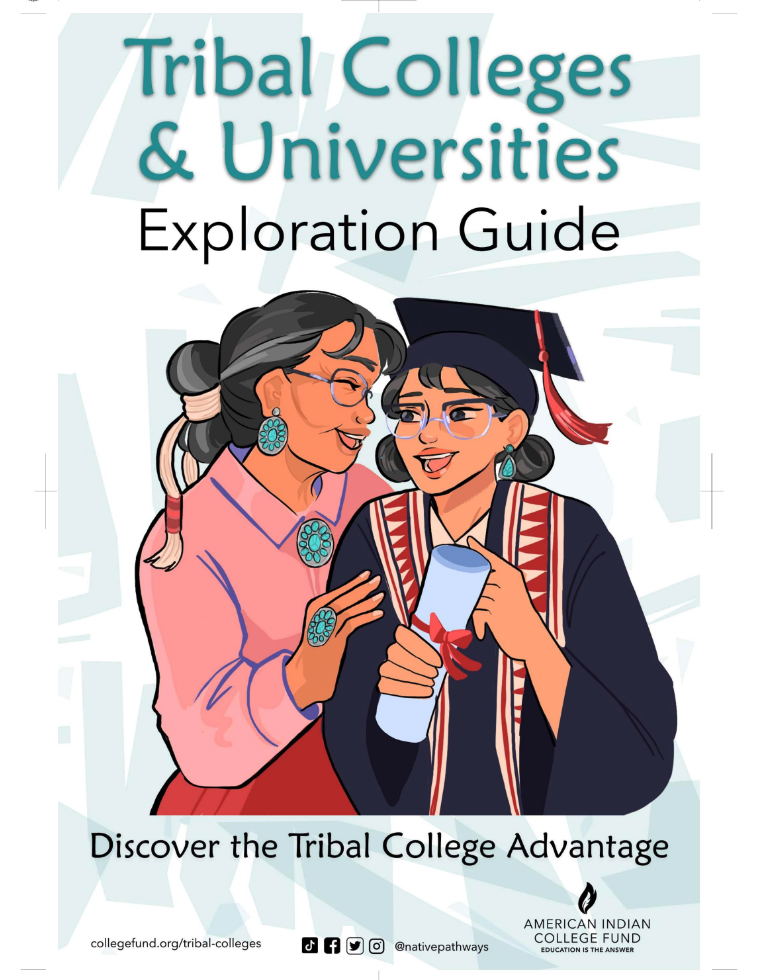

Tribal Colleges and Universities (TCUs) represent a beacon of hope, education, and cultural preservation within Native American communities across the United States. Far from being mere educational institutions, they are dynamic centers of tribal sovereignty, economic development, and cultural revitalization, deeply embedded within the fabric of the reservations they serve.
These unique institutions stand as a testament to the resilience and self-determination of Indigenous peoples, providing accessible, culturally relevant higher education that empowers students while honoring their heritage. Understanding the profound significance of TCUs requires a look into their history, mission, and the unparalleled impact they have on their communities.
The Genesis of TCUs: A Historical Perspective
The concept of Tribal Colleges and Universities emerged from a long history of educational marginalization and the desire for self-governance. For centuries, federal Indian policy often dictated educational approaches that sought assimilation, frequently undermining Native languages and cultures.
However, the mid-20th century saw a powerful shift towards tribal self-determination. Native American communities began to assert their right to control their own destinies, including the education of their youth. This movement culminated in the establishment of the first TCU, Navajo Community College (now Diné College), in 1968.
The passage of the Indian Self-Determination and Education Assistance Act of 1975 was a pivotal moment, providing the legislative framework and federal recognition necessary for tribes to establish and operate their own educational institutions. This act empowered tribes to take charge of programs previously administered by the Bureau of Indian Affairs (BIA).

Since then, the number of TCUs has grown significantly. Today, there are 37 accredited Tribal Colleges and Universities, operating on or near reservations in 16 states, serving over 75 distinct locations. These institutions are critical for providing higher education access to often remote and underserved populations.
Unique Mission and Cultural Foundations
What truly sets TCUs apart from mainstream higher education institutions is their dual mission: to provide quality academic instruction while simultaneously preserving and promoting Indigenous languages, cultures, and traditional knowledge systems. This cultural integration is not an add-on; it is fundamental to their identity and purpose.
Preserving Indigenous Languages and Cultures
Many TCUs offer extensive programs in tribal languages, history, and cultural studies. For communities where ancestral languages are endangered, TCUs are often the last bastions of language revitalization, ensuring that these vital aspects of cultural identity are passed down to future generations.
Students learn about their own tribal governance, spiritual practices, traditional arts, and the rich oral histories that define their people. This focus helps students develop a strong sense of cultural identity and pride, which is often lacking in other educational environments.
Integrating Traditional Knowledge with Western Curricula
TCUs excel at weaving traditional ecological knowledge (TEK) and Indigenous perspectives into disciplines like environmental science, agriculture, and even business. This approach provides a holistic education that respects both ancestral wisdom and contemporary academic rigor.
For example, a science class might incorporate traditional land management practices, or a business course might explore tribal economic development models rooted in community values. This synthesis creates a relevant and empowering learning experience.


Academic Programs and Offerings
While deeply rooted in culture, TCUs offer a wide array of academic programs designed to meet the diverse needs of their students and communities. These institutions are regionally accredited, ensuring that their degrees are recognized and respected.
Students can pursue associate degrees, bachelor’s degrees, and in some cases, even master’s degrees across various fields. Common offerings include nursing, education, business administration, computer science, environmental science, agriculture, and tribal public administration.
Many TCUs also provide crucial vocational training and certificate programs, directly addressing workforce development needs on reservations. This includes trades like welding, carpentry, culinary arts, and automotive technology, equipping students with practical skills for immediate employment.
The curriculum at TCUs is often tailored to address specific challenges and opportunities within reservation communities, such as sustainable resource management, health disparities, and economic diversification. This localized relevance makes the education particularly impactful.
Student Life and Support Systems
TCUs are known for their supportive and nurturing learning environments. With smaller class sizes, students often receive personalized attention from faculty who are not only experts in their fields but also deeply committed to student success and community well-being.
Addressing Unique Challenges
Students attending TCUs often face unique challenges, including geographic isolation, limited access to technology, and socioeconomic barriers. TCUs are adept at providing comprehensive support services, including tutoring, counseling, childcare, transportation assistance, and technology access.
Financial aid is a critical component of access. TCUs work diligently to connect students with federal Pell Grants, tribal scholarships, private scholarships, and other funding opportunities to make higher education affordable and achievable.
The sense of community at a TCU is palpable. Students often form strong bonds, finding a supportive network among peers and faculty who share similar cultural backgrounds and aspirations. This community aspect is vital for retention and success.
Impact on Reservation Communities
The impact of Tribal Colleges and Universities extends far beyond the classroom, serving as vital anchors for community development and tribal self-sufficiency.
- Economic Empowerment: TCUs are significant employers on reservations, providing jobs for faculty, staff, and administrators. They also stimulate local economies by educating a skilled workforce that can contribute to tribal enterprises and local businesses.
- Health and Social Services: Many TCUs offer programs in health sciences, training nurses, community health workers, and counselors who return to serve their own communities, addressing critical shortages in healthcare.
- Leadership Development: By fostering critical thinking and leadership skills, TCUs cultivate the next generation of tribal leaders, administrators, and entrepreneurs who are equipped to advocate for their communities’ needs.
- Bridging the Digital Divide: Often located in areas with limited internet access, TCUs frequently serve as community technology hubs, providing internet access, computer labs, and digital literacy training to students and community members alike.
They are also centers for research and innovation, often focusing on issues directly relevant to tribal lands and populations, such as environmental sustainability, cultural resource management, and public health initiatives.
Challenges Faced by TCUs
Despite their immense success and vital role, Tribal Colleges and Universities face ongoing challenges that underscore the need for continued support and advocacy.
Funding Disparities
One of the most significant challenges is securing adequate and consistent funding. While they receive federal support through various acts, TCUs often operate with fewer resources per student compared to mainstream institutions. This disparity impacts everything from infrastructure development to faculty salaries and program expansion.
Infrastructure and Technology
Many TCUs serve remote areas, leading to challenges in maintaining modern facilities, providing high-speed internet, and acquiring up-to-date technological resources essential for contemporary education.
Recruitment and Retention
Recruiting and retaining students can be difficult due to geographic isolation, socioeconomic factors, and the need to balance academic pursuits with family and community responsibilities. TCUs work tirelessly to overcome these hurdles with targeted support.
The Future of Tribal Colleges and Universities
The future of TCUs is bright, marked by continued innovation and a growing recognition of their indispensable role. They are increasingly exploring online and hybrid learning models to reach a wider audience and overcome geographic barriers.
Strengthening partnerships with mainstream universities, government agencies, and private industries will be crucial for expanding resources, research opportunities, and career pathways for TCU graduates.
Advocacy for increased and equitable federal funding remains a top priority, ensuring that TCUs have the stable financial foundation needed to continue their critical work and expand their impact.
As centers of Indigenous knowledge, cultural preservation, and academic excellence, Tribal Colleges and Universities will continue to be cornerstones of tribal sovereignty and community resilience, shaping empowered futures for Native American students and their nations for generations to come.
Conclusion: Pillars of Progress and Preservation
Tribal Colleges and Universities are far more than just institutions of higher learning; they are vital cultural centers, economic engines, and pillars of self-determination for Native American communities. By offering culturally relevant education, preserving Indigenous languages and traditions, and fostering community development, TCUs empower individuals and strengthen tribal nations.
Their unique mission ensures that while students gain valuable academic and vocational skills, they also remain deeply connected to their heritage. Supporting TCUs means investing in the future of Indigenous peoples, honoring their past, and contributing to a more equitable and culturally rich society for all.


