

The United States, a nation priding itself on advancements in medicine and public health, harbors a stark paradox: significant healthcare disparities persist within its borders, particularly affecting Native American communities residing on Indian Reservations. These disparities are not merely statistics; they represent a profound injustice, a legacy of broken treaties, and systemic underfunding that continues to impact the health and well-being of millions.
Understanding healthcare disparities on Indian Reservations requires an examination of complex historical, social, and economic factors. It’s a narrative woven with threads of colonization, forced displacement, cultural suppression, and a persistent lack of equitable resources.
This comprehensive article will delve into the multifaceted challenges faced by Native Americans in accessing quality healthcare, explore the underlying causes, and highlight potential pathways toward health equity and justice.
What exactly are healthcare disparities? In essence, they are preventable differences in the burden of disease, injury, violence, or opportunities to achieve optimal health that are experienced by socially disadvantaged populations.
For Native American populations, these disparities manifest across a wide spectrum of health outcomes, often placing them at a significant disadvantage compared to the general U.S. population.
A Legacy of Broken Promises: The Historical Context

The foundation of healthcare provision for Native Americans is rooted in a series of treaties and agreements made between tribal nations and the U.S. government. These agreements often exchanged vast tracts of land for essential services, including healthcare.
The Indian Health Service (IHS) was established to fulfill this trust responsibility. However, the IHS has historically been, and remains, severely underfunded, operating at a fraction of what is required to meet the health needs of the population it serves.
This historical context of federal neglect and underinvestment is crucial for comprehending the current state of healthcare on reservations. It’s not just a matter of current policy, but a cumulative effect of centuries of systemic disadvantage.
Key Challenges and Disparities in Native American Healthcare
- Chronic Underfunding: The IHS consistently receives less funding per capita than other federal healthcare programs like Medicaid, Medicare, or even the Bureau of Prisons. This leads to critical shortages in staff, facilities, and services.
- Geographic Isolation: Many reservations are located in remote, rural areas, making access to healthcare facilities, specialists, and emergency services incredibly difficult. Long travel times and lack of transportation are significant barriers.
- Infrastructure Deficiencies: IHS facilities are often outdated, dilapidated, and lack modern equipment. Many do not have the capacity to offer comprehensive care, forcing patients to travel long distances for specialized treatment.
- Workforce Shortages: Attracting and retaining qualified healthcare professionals—doctors, nurses, mental health specialists—to remote reservation communities is a persistent challenge.
- Cultural Insensitivity and Lack of Cultural Competency: Mainstream healthcare systems often lack understanding and respect for Native American cultural beliefs, traditional healing practices, and historical trauma. This can lead to mistrust and reluctance to seek care.
- Social Determinants of Health: Poverty, inadequate housing, food insecurity, lack of clean water, and lower educational attainment rates are pervasive on many reservations, all directly impacting health outcomes.
Alarming Health Outcomes: A Direct Consequence
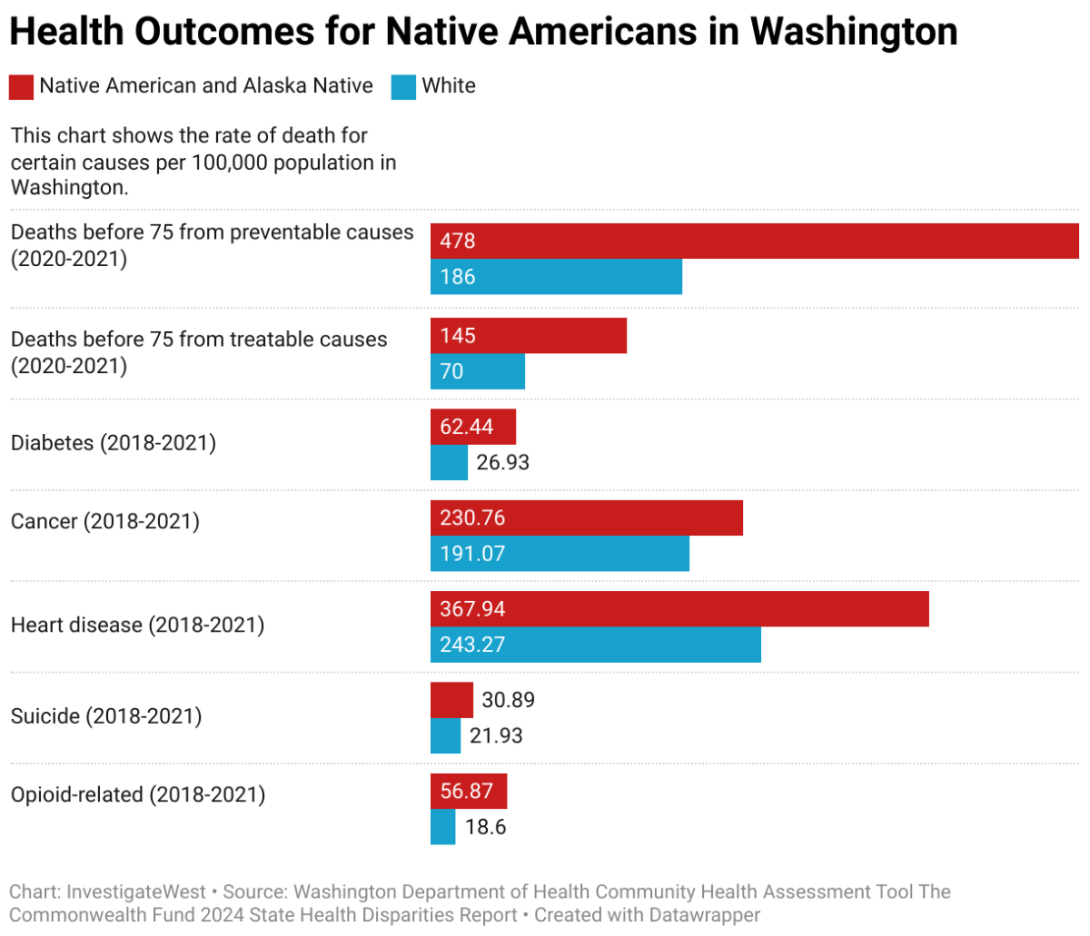
The systemic challenges translate into devastating health outcomes. Native Americans experience higher rates of chronic diseases and lower life expectancies compared to other racial and ethnic groups in the U.S.
- Diabetes: Native Americans are more than twice as likely to be diagnosed with diabetes as non-Hispanic whites, often developing the disease at younger ages and experiencing higher rates of complications.
- Cardiovascular Disease: Heart disease remains a leading cause of death, exacerbated by factors like diabetes, obesity, and limited access to preventative care.
- Mental Health and Substance Use Disorders: Rates of suicide, depression, and substance abuse (including opioid addiction) are alarmingly high, deeply intertwined with historical trauma, intergenerational grief, and lack of adequate mental health services.
- Maternal and Child Health: Native American women experience higher rates of maternal mortality and infant mortality. Access to prenatal care, culturally appropriate birthing services, and pediatric care can be severely limited.
- Infectious Diseases: Communities on reservations have also been disproportionately affected by infectious diseases, as tragically demonstrated during the COVID-19 pandemic, due to overcrowded housing, limited access to clean water, and underlying health conditions.
The Role of Historical Trauma and Intergenerational Impact

A critical, yet often overlooked, factor influencing Native American health is historical trauma. This refers to the cumulative emotional and psychological wounding over the lifespan and across generations, emanating from massive group trauma experiences.
Events such as forced relocation, boarding school experiences designed to strip away culture, and systematic discrimination have left deep scars. These traumas manifest today as higher rates of mental health issues, substance abuse, and chronic stress-related physical ailments.
Addressing historical trauma requires a culturally sensitive and trauma-informed approach to healthcare that acknowledges and respects the lived experiences of Native American individuals and communities.
Tribal Sovereignty and Self-Determination in Healthcare
Despite the immense challenges, many tribal nations are actively working to improve the health of their communities through self-determination. The Indian Self-Determination and Education Assistance Act allows tribes to manage and operate their own healthcare programs, often with greater efficiency and cultural relevance than federal agencies.
Tribally-run healthcare systems can integrate traditional healing practices, employ community health workers, and prioritize services that directly address the unique needs of their populations. These initiatives are vital for fostering trust and delivering more effective care.
However, even self-governed tribal health programs often operate with the same insufficient federal funding, limiting their ability to fully realize their potential.
Pathways to Health Equity: Addressing the Disparities
- Increased and Stable Funding: Congress must honor the federal trust responsibility by providing consistent, adequate, and equitable funding for the IHS and tribally-run health programs. This is fundamental for infrastructure, staffing, and service expansion.
- Workforce Development: Investing in programs that recruit, train, and retain Native American healthcare professionals is crucial. Scholarships, loan repayment programs, and culturally supportive work environments can make a significant difference.
- Infrastructure Modernization: Upgrading and expanding healthcare facilities on reservations is essential to provide modern, comprehensive care closer to home.
- Culturally Competent Care: Training healthcare providers in cultural humility, historical trauma, and traditional healing practices is vital to build trust and deliver effective, respectful care.
- Addressing Social Determinants: Investments in economic development, education, housing, clean water, and food security programs are direct investments in community health.
- Empowering Tribal Nations: Supporting tribal sovereignty and self-determination in healthcare allows communities to design and implement solutions that best fit their unique cultural and health needs.
- Data Collection and Research: Improved, culturally appropriate data collection is needed to accurately assess health needs and evaluate intervention effectiveness, ensuring that Native American voices and experiences are central to research.
Conclusion: A Call for Justice and Investment
The healthcare disparities on Indian Reservations represent a profound moral and ethical challenge for the United States. They are not merely unfortunate circumstances but the direct result of historical injustices and ongoing systemic inequities.
Addressing these disparities is not an act of charity, but an affirmation of treaty obligations and a commitment to human rights and justice. It requires a fundamental shift in how the U.S. government views and funds Native American healthcare, moving from a model of chronic underfunding to one of equitable investment.
By honoring treaty responsibilities, empowering tribal nations, and investing in comprehensive, culturally appropriate healthcare, we can begin to dismantle the barriers that have long denied Native Americans their fundamental right to health and well-being. The path to health equity for Native American communities on reservations is long, but it is a journey that must be undertaken with urgency, respect, and unwavering commitment.
The future of Native American health depends on collective action, sustained advocacy, and a genuine commitment to rectifying historical wrongs and building a healthier, more equitable future for all.


