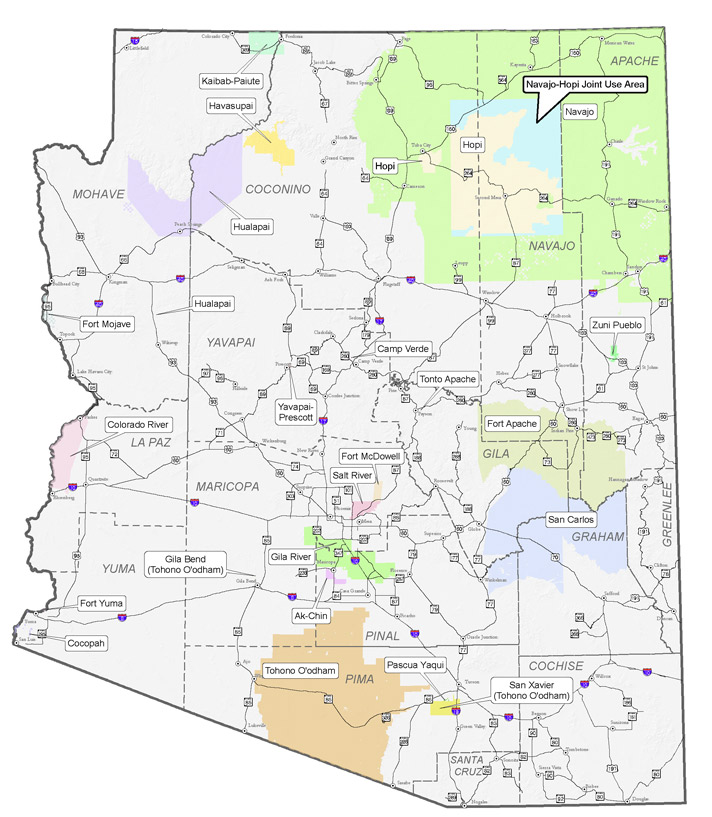

Transportation is a fundamental pillar of modern life, enabling access to employment, education, healthcare, and essential services. However, for residents of Indian Reservations, navigating daily commutes and long-distance travel presents a unique set of challenges and opportunities. These sovereign nations, often located in rural or remote areas, have developed diverse and evolving transportation solutions tailored to their specific needs.
Understanding the transportation landscape on Indian Reservations requires an appreciation for their distinct geographic, economic, and cultural contexts. Unlike urban centers with established public transit networks, many reservations contend with vast distances, sparse populations, and infrastructure limitations, making personal mobility a critical, yet often complex, issue.
This comprehensive guide aims to shed light on the various transportation options available within Indian Country, exploring the programs, initiatives, and innovative approaches that facilitate movement for tribal citizens and visitors alike. We will delve into the challenges faced and the ongoing efforts to build resilient and accessible transportation systems.
Understanding the Unique Context of Reservation Transportation
The transportation environment on Indian Reservations is shaped by several interconnected factors that differentiate it from mainstream rural or urban settings. Recognizing these nuances is crucial for appreciating the solutions being implemented.
Geographic Isolation and Vast Distances: Many reservations encompass expansive territories, often far removed from major cities and service hubs. This geographical isolation means longer travel times and increased fuel consumption for even basic necessities, impacting everything from medical appointments to grocery shopping.


Socio-Economic Factors: Economic disparities can significantly influence transportation access. Lower rates of vehicle ownership, limited income for fuel and maintenance, and a lack of access to vehicle repair services are common challenges within some tribal communities, exacerbating mobility issues.
Infrastructure Challenges: Road infrastructure on reservations can vary widely. While some areas boast well-maintained paved roads, many communities rely on unpaved or poorly maintained roads that are vulnerable to weather conditions, increasing wear and tear on vehicles and limiting accessibility during certain seasons.
Cultural Significance and Community Needs: Transportation also serves a vital role in maintaining cultural connections, facilitating participation in ceremonies, community gatherings, and inter-tribal events. Solutions must often consider these unique social and cultural dimensions.
Primary Transportation Options Available
Despite the challenges, a range of transportation options exists on Indian Reservations, often a blend of personal, public, and community-driven initiatives.
Personal Vehicles: The Backbone of Reservation Mobility
For many reservation residents, personal vehicles remain the primary, and often only, reliable mode of transportation. Owning a car provides unparalleled flexibility and is essential for navigating the vast distances and connecting to off-reservation services. However, this reliance comes with its own set of difficulties, including the high cost of vehicle purchase, insurance, fuel, and maintenance, which can be prohibitive for many families.
Public Transportation Systems: Bridging the Gaps
Recognizing the limitations of personal vehicle reliance, many tribes have established or partnered with public transportation services. These programs are often supported by federal funding, primarily through the Federal Transit Administration (FTA) Section 5311(c) Tribal Transit Program.


- Tribal Transit Programs: These are often the most direct and tailored public transport solutions. They can take various forms:
- Fixed-Route Services: Operating on set schedules and routes, connecting key community points like tribal offices, health clinics, schools, and grocery stores.
- Demand-Response Services: More flexible, requiring riders to book trips in advance. These are particularly vital in sparsely populated areas, offering door-to-door or curb-to-curb service for medical appointments, shopping, or work.
- Flex-Route Services: A hybrid model that combines fixed stops with the flexibility to deviate slightly for pre-booked passengers.
- Inter-city Bus Services: While less common directly on reservations, some larger tribal communities may have stops or connections to regional inter-city bus networks (e.g., Greyhound affiliates), providing links to larger metropolitan areas.
- Regional Public Transit Partnerships: Some tribes collaborate with neighboring county or regional transit authorities to extend services onto the reservation, creating seamless connections for residents who commute off-reservation for work or services.
Community-Based & Non-Profit Initiatives: The Power of Local Support
Beyond formal public transit, many reservations benefit from grassroots and non-profit efforts to address specific transportation needs.
- Volunteer Driving Programs: Often organized by tribal elders’ councils or community centers, volunteers provide rides for seniors or individuals without access to vehicles, particularly for medical appointments.
- Medical Transport Services: Tribal health departments or clinics frequently operate their own fleets to transport patients to appointments, both on and off the reservation.
- Elderly and Disabled Transport: Specialized services cater to the mobility needs of elders and individuals with disabilities, ensuring they can access essential care and maintain independence.
- School Bus Services: Dedicated school bus systems are crucial for transporting children to and from tribal schools or public schools located off-reservation.
Ride-Sharing & Taxi Services: Emerging, but Limited
While prevalent in urban areas, ride-sharing apps (like Uber or Lyft) and traditional taxi services are generally sparse or non-existent on most reservations due to low population density, limited driver availability, and sometimes, patchy internet access. Where available, they can be costly, making them less accessible for regular use.
Addressing Specific Transportation Needs
Effective transportation on reservations is not merely about getting from point A to point B; it’s about enabling access to critical life resources and opportunities.
Access to Healthcare: Perhaps one of the most vital functions of reservation transportation is ensuring access to medical facilities, specialists, and pharmacies, which are often located significant distances away from residents’ homes.
Employment & Education: Reliable transport is essential for connecting residents to job opportunities, vocational training centers, and higher education institutions, both on and off the reservation, fostering economic development and personal growth.
Grocery & Essential Services: Many reservations are considered ‘food deserts,’ necessitating travel to off-reservation supermarkets. Transportation services help bridge this gap, ensuring residents can access nutritious food and other basic necessities.
Cultural & Social Events: Facilitating travel for ceremonies, powwows, community meetings, and family gatherings is crucial for maintaining cultural continuity and community cohesion.
Challenges and Barriers to Effective Transportation
Despite the dedicated efforts, significant hurdles persist in establishing and maintaining robust transportation systems on Indian Reservations.
Funding Limitations and Sustainability: While federal grants exist, they often require matching funds, which can be difficult for tribes with limited budgets. Sustaining operations, including vehicle maintenance, fuel, and driver salaries, beyond initial grant periods is a constant challenge.
Infrastructure Deficiencies: The condition of roads, lack of adequate signage, and limited access to maintenance resources can impede service delivery and safety. Upgrading and maintaining infrastructure requires substantial investment.
Workforce Shortages: Finding and retaining qualified drivers and maintenance personnel, particularly in remote areas, can be difficult. Competitive wages and benefits are often hard to provide with limited funding.
Coordination Between Entities: Effective transportation often requires seamless coordination between tribal governments, state departments of transportation, federal agencies, and sometimes neighboring counties or municipalities, which can be complex due to jurisdictional boundaries and differing priorities.
Digital Divide: Limited or unreliable internet access in remote reservation areas can hinder the adoption and effectiveness of modern transportation technologies like real-time tracking apps or online booking systems for demand-response services.
Innovative Solutions and Future Outlook
The landscape of reservation transportation is continuously evolving, with many tribes exploring innovative solutions to enhance mobility.
Increased Grant Opportunities: Recent federal initiatives, such as the Bipartisan Infrastructure Law, have allocated significant funding towards improving tribal transportation infrastructure and expanding transit services, offering a renewed opportunity for growth.
Technological Advancements: Tribes are increasingly looking at technology to optimize services, including on-demand ride-hailing apps tailored for rural areas, route optimization software, and the potential integration of electric vehicles to reduce fuel costs and environmental impact.
Inter-Tribal Collaboration: Partnerships between neighboring tribes can lead to shared resources, expanded service areas, and more efficient use of funding, creating regional transportation networks.
Focus on Sustainable and Culturally Sensitive Solutions: Future strategies emphasize developing transportation systems that are not only efficient but also environmentally sustainable and deeply respectful of tribal sovereignty and cultural values.
Microtransit and Flexible Routing: These models offer more dynamic and responsive services than traditional fixed routes, using smaller vehicles and adapting routes based on real-time demand, which can be ideal for lower-density areas.
How to Access Transportation Services
For residents and visitors seeking transportation on an Indian Reservation, the best first step is to contact the specific Tribal administration or their local community center. These entities can provide detailed information on available tribal transit programs, medical transport services, and other community-based initiatives. Online resources may also be available on tribal government websites, though direct contact is often the most reliable method.
Conclusion
Transportation on Indian Reservations is a complex and multifaceted issue, deeply intertwined with the well-being and self-determination of Native American communities. While significant challenges persist, from geographic isolation to infrastructure limitations, the dedication of tribal governments, federal partners, and community initiatives continues to drive progress.
The ongoing development of tailored public transit, community-based programs, and innovative solutions underscores a commitment to ensuring that every individual within Indian Country has equitable access to the mobility they need to thrive. As funding opportunities expand and technology advances, the future holds promise for even more robust and accessible transportation networks across Native American lands, strengthening communities and fostering greater opportunities for all.


