
Echoes of the Earth: The Enduring Wisdom of Native American Healing Practices
In a world increasingly fragmented by the rapid pace of modern life and the specialization of Western medicine, there is a growing yearning for holistic approaches to health and well-being. This search often leads to the profound, ancient wisdom embedded in the traditional healing practices of Native American peoples. Far from being mere folk remedies, these practices represent a sophisticated, millennia-old system of medicine rooted in an intimate understanding of the interconnectedness of all life – mind, body, spirit, community, and the natural world.
For indigenous communities across North America, healing has never been solely about curing physical ailments. It is a deeply spiritual journey, a restoration of balance, and a reaffirmation of one’s place within the vast web of creation. This journalistic exploration delves into the foundational principles, diverse modalities, historical challenges, and enduring resurgence of Native American healing, revealing its timeless relevance in contemporary society.
A Tapestry of Ancient Wisdom: Foundations of Healing
The origins of Native American healing practices stretch back thousands of years, evolving over countless generations and adapting to the unique environments and cultural expressions of hundreds of distinct tribes. Before European contact, these systems were the primary form of healthcare, integral to daily life, ritual, and governance. They were not compartmentalized but woven into the very fabric of existence, guided by a profound reverence for the land, the ancestors, and the Great Spirit.
At the heart of these practices lies the principle of holism. Unlike the Western medical model that often focuses on symptoms and specific body parts, Native American healing views an individual as an inseparable part of a larger whole. Illness is understood not just as a physical malfunction but as an imbalance within the individual’s mind, body, and spirit, or a disharmony between the individual and their community, their ancestors, or the natural world. As many elders teach, "When the spirit is sick, the body will follow."


This holistic perspective extends to the concept of interconnectedness. All beings – humans, animals, plants, rocks, water, sky – are seen as relatives, part of a single, living entity often referred to as Mother Earth or Grandfather Sky. Healing, therefore, involves restoring harmony within these relationships. A person cannot be truly healthy if their spirit is troubled, if their community is in discord, or if the land they depend on is suffering.
The Role of the Healer: Guides and Keepers of Knowledge
Central to these healing traditions are the figures often referred to as Medicine People, Elders, Shamans, or Traditional Healers. These individuals are not self-appointed; they are called to their path through dreams, visions, or a lineage of profound spiritual knowledge. Their training is rigorous and lifelong, involving deep study of medicinal plants, ceremonial protocols, spiritual teachings, and the wisdom of their ancestors. They are not merely doctors but spiritual guides, counselors, ceremonial leaders, and keepers of cultural memory.
A Medicine Person’s role often involves diagnosing the root cause of an illness, which might be spiritual (e.g., loss of soul, intrusion of negative energy), emotional (e.g., unresolved grief, trauma), or physical (e.g., dietary imbalance, injury). Their healing arsenal is vast and varied, ranging from herbal remedies to elaborate ceremonies, guided by intuition and spiritual insight.
Diverse Modalities: A Spectrum of Healing Practices
The sheer diversity of Native American cultures means there is no single "Native American healing practice." Instead, there is a rich spectrum of traditions, each with unique nuances, yet often sharing common threads.
-
Ceremonies and Rituals: These are perhaps the most potent forms of healing, designed to restore balance and connect individuals to the sacred.
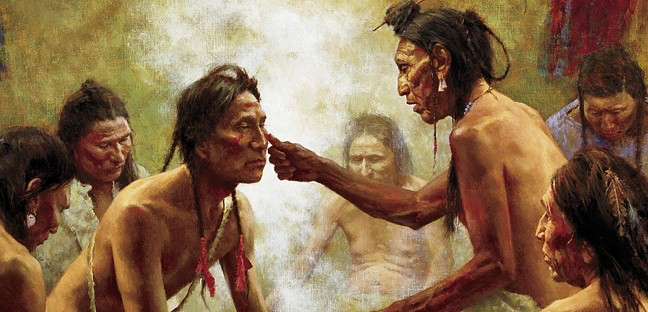
- The Sweat Lodge (Inipi): A widely practiced purification ceremony across many tribes, the Inipi involves entering a dome-shaped lodge, often made of willow branches covered with blankets, where superheated stones are brought in and water is poured over them, creating intense steam. This dark, hot, sacred space is used for prayer, chanting, purification, and connecting with the Creator and the ancestors. It is a powerful experience of physical cleansing and spiritual rebirth, often described as returning to the womb of Mother Earth.
- Vision Quests: These solitary journeys into nature, often involving fasting and prayer, are undertaken to seek spiritual guidance, find one’s purpose, or gain insight into an illness.
- Pipe Ceremonies: The sacred pipe (Chanunpa) is used for prayer, making offerings, and establishing a spiritual connection. The smoke is believed to carry prayers to the Creator.
- Healing Songs and Dances: Music, drumming, and dance are integral to many ceremonies, used to invoke spirits, create altered states of consciousness, and facilitate healing.
-
Herbal Medicine (Ethnobotany): Indigenous peoples possess an encyclopedic knowledge of plants and their medicinal properties, passed down through generations. The land itself is seen as a living pharmacy.
- Willow Bark: Used by many tribes for pain relief and fever reduction, it contains salicin, the precursor to aspirin.
- Echinacea: Valued for its immune-boosting properties, particularly against colds and infections.
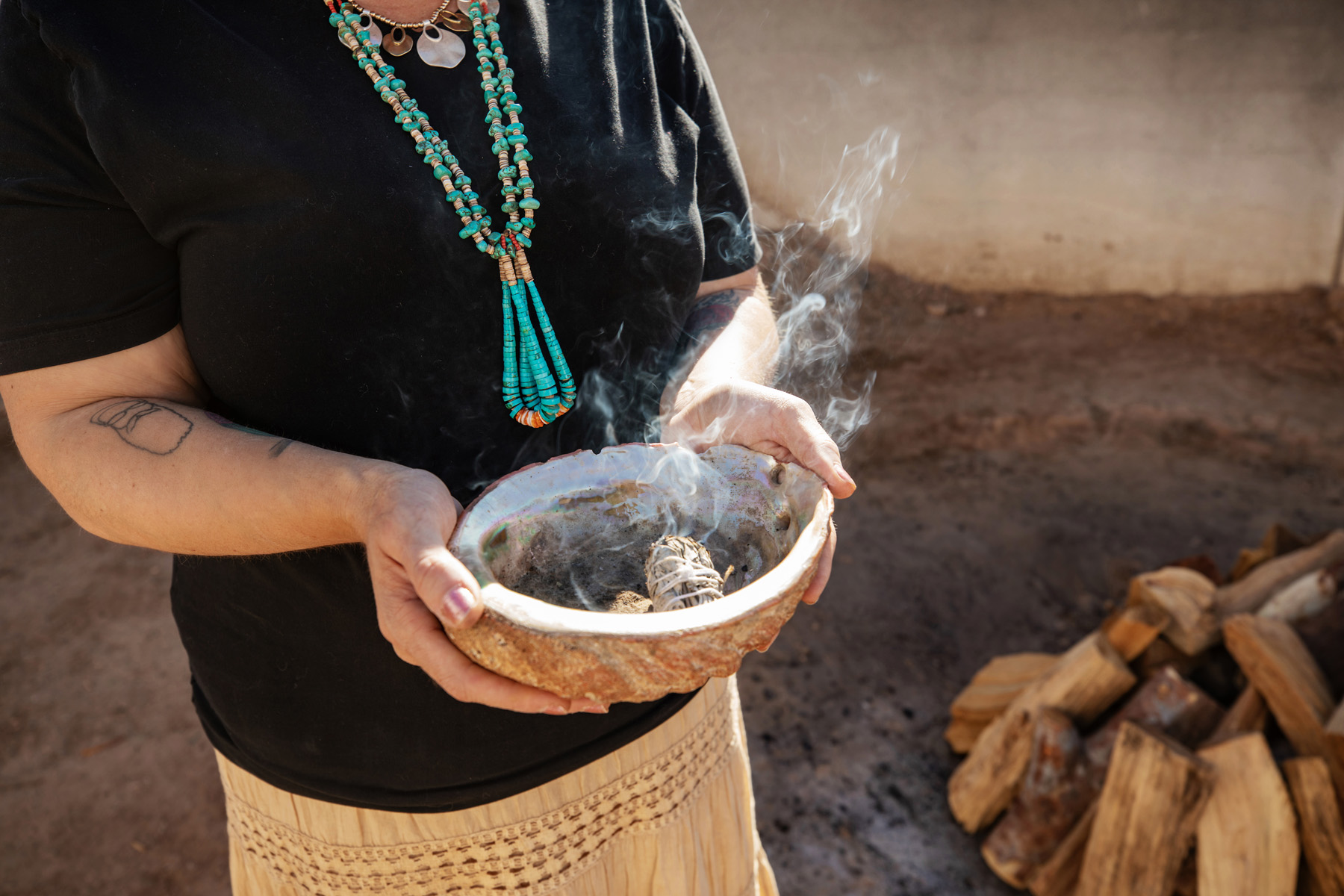
- Sage, Cedar, Sweetgrass: These sacred plants are often used in smudging ceremonies for purification, cleansing negative energy from individuals and spaces.
- Tobacco: Used sacramentally, not recreationally, as an offering and a way to carry prayers.
-
Storytelling and Oral Tradition: Stories are not just entertainment; they are living repositories of knowledge, history, and moral teachings. They can transmit healing wisdom, process trauma, reinforce community values, and provide comfort and guidance. Recounting personal or ancestral narratives can be a powerful therapeutic tool.
-
Hands-on Healing: Some healers employ various forms of physical touch, including massage, bone setting, and energy work, often accompanied by prayer and spiritual guidance.

Historical Wounds and Enduring Resilience
The arrival of European colonizers brought devastating consequences for Native American healing practices. Diseases like smallpox and measles, to which indigenous populations had no immunity, decimated communities, overwhelming traditional healers. Later, policies of forced assimilation, such as the establishment of boarding schools and the criminalization of traditional religious practices, actively suppressed Native languages, cultures, and spiritual ways, including healing ceremonies. Many healers were forced underground, their knowledge preserved in secrecy.
A pivotal moment for the resurgence of these practices came with the American Indian Religious Freedom Act (AIRFA) of 1978, which aimed to protect and preserve the traditional religious rights and cultural practices of Native Americans. This act, while imperfect, provided a legal foundation for tribes to openly practice their ceremonies and reclaim their sacred sites.
The Resurgence and Modern Relevance
Today, Native American healing practices are experiencing a powerful resurgence. Communities are actively working to revitalize their languages, ceremonies, and medicinal plant knowledge. Elders are passing on their wisdom to younger generations, ensuring the continuity of these vital traditions.
Moreover, there is a growing recognition within mainstream society and even Western medicine of the value and efficacy of these holistic approaches. Some healthcare systems are beginning to integrate traditional Native American healing into addiction treatment programs, mental health services, and palliative care, acknowledging its profound benefits for spiritual and emotional well-being. For example, the use of Sweat Lodges and talking circles can provide culturally sensitive support for individuals grappling with trauma or substance abuse.
However, this resurgence also comes with challenges. Cultural appropriation remains a significant concern, where non-Native individuals commercialize or misuse sacred practices without proper understanding, respect, or permission. Authentic healing traditions require deep respect, reverence, and often a lifelong commitment to a specific lineage and community.
Looking to the Future: A Call for Respect and Preservation
The enduring wisdom of Native American healing practices offers invaluable lessons for all of humanity. They remind us that true health is not merely the absence of disease but a state of profound balance and harmony – with ourselves, our communities, and the natural world. They underscore the power of ceremony, the sacredness of nature, and the deep spiritual dimension of human existence.
As we navigate the complexities of the 21st century, these ancient healing ways stand as powerful testaments to resilience, cultural integrity, and an alternative paradigm for well-being. To truly appreciate and benefit from this wisdom, we must approach it with humility, respect, and a commitment to supporting the indigenous communities who have stewarded this knowledge for millennia. Their voices, their practices, and their profound connection to the Earth offer not just healing for individuals, but a pathway towards a more balanced and harmonious future for all.


