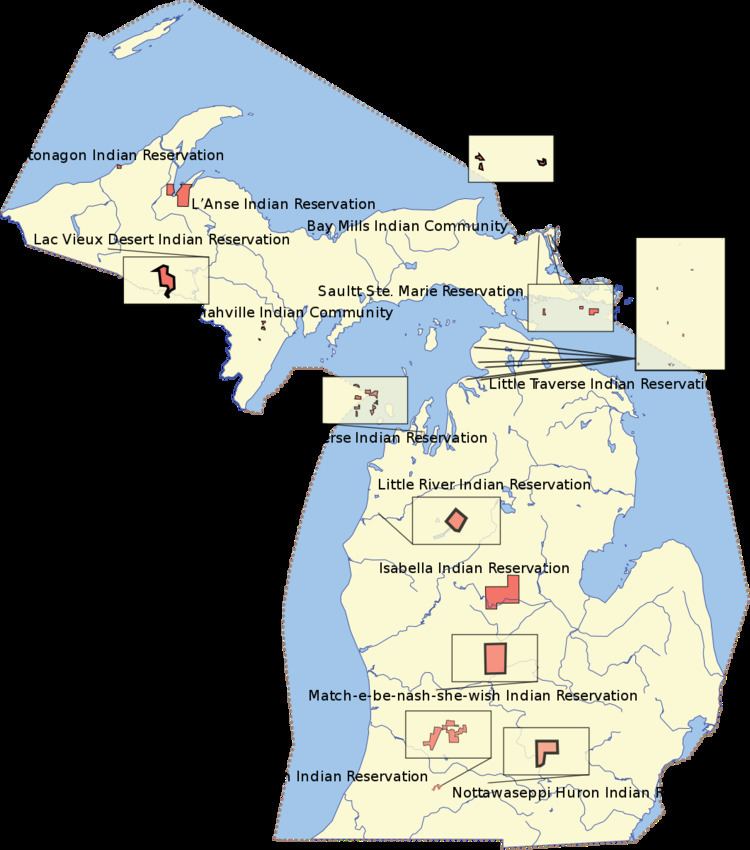

The Saginaw Chippewa Indian Tribe of Michigan (SCIT) represents a vibrant and resilient sovereign nation, deeply rooted in the heart of Michigan. Their Isabella Indian Reservation, located predominantly in Isabella County, stands as a testament to their enduring spirit, cultural heritage, and self-determination. This comprehensive guide delves into the tribe’s rich history, its modern-day achievements, and its profound impact on both its members and the surrounding region.
Understanding the Saginaw Chippewa Indian Tribe begins with acknowledging their ancestral lineage as part of the Anishinaabe (Ojibwe) people, one of the largest Indigenous groups in North America. For millennia, the Anishinaabe thrived across the Great Lakes region, living in harmony with the land and water, guided by principles of respect and interconnectedness. Their traditional territories encompassed vast areas of present-day Michigan, including the Saginaw Bay watershed, from which the tribe derives part of its name.
The arrival of European settlers brought profound changes, leading to a complex history of treaties, land cessions, and often, hardship. Key treaties, such as the Treaty of Saginaw in 1819 and the Treaty of Washington in 1836 and 1855, significantly reduced the tribe’s landholdings. However, it was through these negotiations that the Isabella Indian Reservation was eventually established, providing a permanent homeland for the Saginaw Chippewa people.
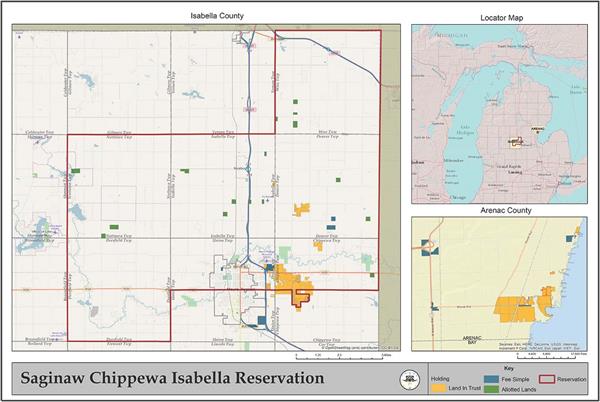
The Isabella Indian Reservation is primarily situated near Mount Pleasant, Michigan, in Isabella County, with additional tribal trust lands scattered throughout the state. This geographic location is not merely a physical space; it is the spiritual and cultural heart of the Saginaw Chippewa Indian Tribe, where traditions are upheld, and community life flourishes.
A cornerstone of the Saginaw Chippewa Indian Tribe’s identity is its status as a federally recognized sovereign nation. This means the tribe possesses the inherent right to govern itself, establish its own laws, and manage its resources within the boundaries of its reservation. This sovereignty is exercised through a robust tribal government, which includes an elected Tribal Council responsible for the welfare and future of its members.
The Tribal Council oversees a wide array of departments and services designed to support the community. These include essential services such as healthcare, education, social services, public safety, and infrastructure development. This self-governance allows the tribe to tailor programs and policies specifically to the unique needs and cultural values of its people, fostering stronger community bonds and promoting self-sufficiency.

One of the most significant achievements of the Saginaw Chippewa Indian Tribe has been its remarkable economic development. Through strategic investments and entrepreneurial spirit, the tribe has created a thriving economic engine that not only benefits tribal members but also contributes substantially to the regional economy of Central Michigan.
The crown jewel of the tribe’s economic ventures is the Soaring Eagle Casino & Resort. Established in 1998, Soaring Eagle is one of Michigan’s premier gaming and entertainment destinations. It provides thousands of jobs, both for tribal members and non-members, making it a vital employer in Isabella County and beyond.
Beyond the casino, the tribe’s economic portfolio is diverse. It includes the Soaring Eagle Waterpark and Hotel, Waabooz Run Golf Course, Sagamok Express (convenience stores and gas stations), and various retail and service enterprises. These businesses generate crucial revenue that is reinvested into tribal services, infrastructure, and future economic diversification initiatives.
The economic success of the Saginaw Chippewa Indian Tribe demonstrates a powerful model of self-determination. Revenues are carefully managed to fund critical community programs, ensuring access to quality healthcare, educational opportunities, elder care, and housing for tribal members, thereby improving their overall quality of life.
Cultural preservation is paramount for the Saginaw Chippewa Indian Tribe. Efforts are continuously made to ensure that the rich traditions, language, and ancestral knowledge are passed down through generations. The tribe’s commitment to its heritage is evident in various initiatives and institutions.
The Ziibiwing Center of Anishinaabe Culture & Lifeways is a world-class educational and cultural center operated by the tribe. Its mission is to preserve, interpret, and present the history and culture of the Saginaw Chippewa and other Anishinaabe people. The center features permanent and changing exhibits, a research library, and hosts cultural events and educational programs.
Language revitalization is another critical area of focus. The Anishinaabemowin (Ojibwe language) is a core component of the tribe’s identity. Programs and classes are offered to tribal members of all ages, from early childhood education to adult learning, to ensure the language continues to thrive and be spoken by future generations.
Traditional ceremonies, storytelling, drumming, dancing, and artistic expressions like beadwork and quillwork are actively practiced and celebrated. Annual powwows, open to the public, provide a vibrant showcase of Anishinaabe culture, fostering understanding and appreciation among both tribal members and visitors.
The Saginaw Chippewa Indian Tribe is dedicated to the well-being and advancement of its community members. This commitment is reflected in the comprehensive services provided through tribal government departments.

Healthcare services are a top priority, offered through facilities like the Nimkee Memorial Wellness Center. This center provides medical, dental, behavioral health, and traditional healing services, ensuring accessible and culturally sensitive care for tribal members.
Education is seen as the pathway to future success. The tribe operates its own tribal school, offering culturally relevant curriculum. Additionally, it provides scholarships, grants, and support services for tribal members pursuing higher education, empowering them to achieve their academic and professional goals.
Beyond healthcare and education, the tribe offers a robust network of social services, including housing programs, elder care initiatives, youth development programs, and family support services. These programs create a strong safety net and foster a supportive environment for all tribal members.
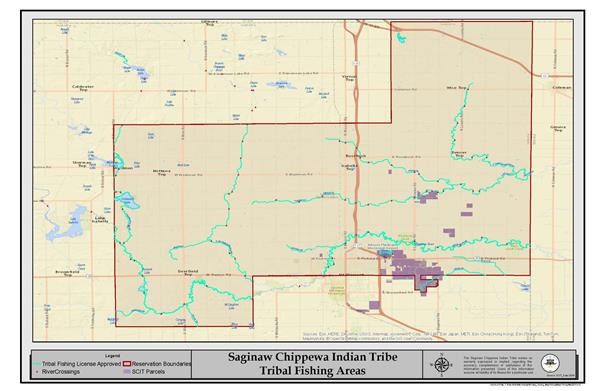
The Anishinaabe people have always maintained a profound spiritual connection to the land and water. The Saginaw Chippewa Indian Tribe actively practices environmental stewardship, working to protect and restore the natural resources within their reservation and ancestral territories.
This includes efforts in wildlife management, forestry, water quality monitoring, and sustainable land use practices. The tribe’s environmental department collaborates with state and federal agencies to ensure that future generations can continue to benefit from the pristine natural beauty and resources of Michigan.
The Saginaw Chippewa Indian Tribe has faced numerous challenges throughout its history, from the impacts of colonization and forced assimilation to ongoing issues related to economic disparities and cultural erosion. However, their story is one of remarkable resilience and triumph.
Through unwavering determination, strong leadership, and a deep commitment to their cultural values, the tribe has overcome adversity to establish a thriving, self-sufficient nation. Their journey serves as an inspiring example of Indigenous self-determination and the power of community.
Visitors interested in learning more about the Saginaw Chippewa Indian Tribe are welcome to explore their cultural institutions and public events. The Ziibiwing Center is an excellent starting point for a respectful and educational experience. Attending a public powwow offers a chance to witness vibrant cultural expressions firsthand.
When visiting, it is important to remember that the Isabella Indian Reservation is a sovereign nation and to show respect for tribal laws, customs, and privacy. Engaging with the tribe’s history and present-day reality offers invaluable insights into Indigenous cultures and their ongoing contributions to society.
In conclusion, the Saginaw Chippewa Indian Tribe Reservation stands as a powerful symbol of Indigenous strength, cultural continuity, and economic innovation. From their ancient Anishinaabe roots to their modern status as a self-governing nation, the tribe has navigated centuries of change with grace and resilience.
Their commitment to preserving their language, traditions, and land, coupled with their remarkable economic achievements, underscores their vital role in Michigan’s cultural and economic landscape. The Saginaw Chippewa Indian Tribe continues to build a prosperous future for its members, honoring the past while embracing the opportunities of tomorrow.


