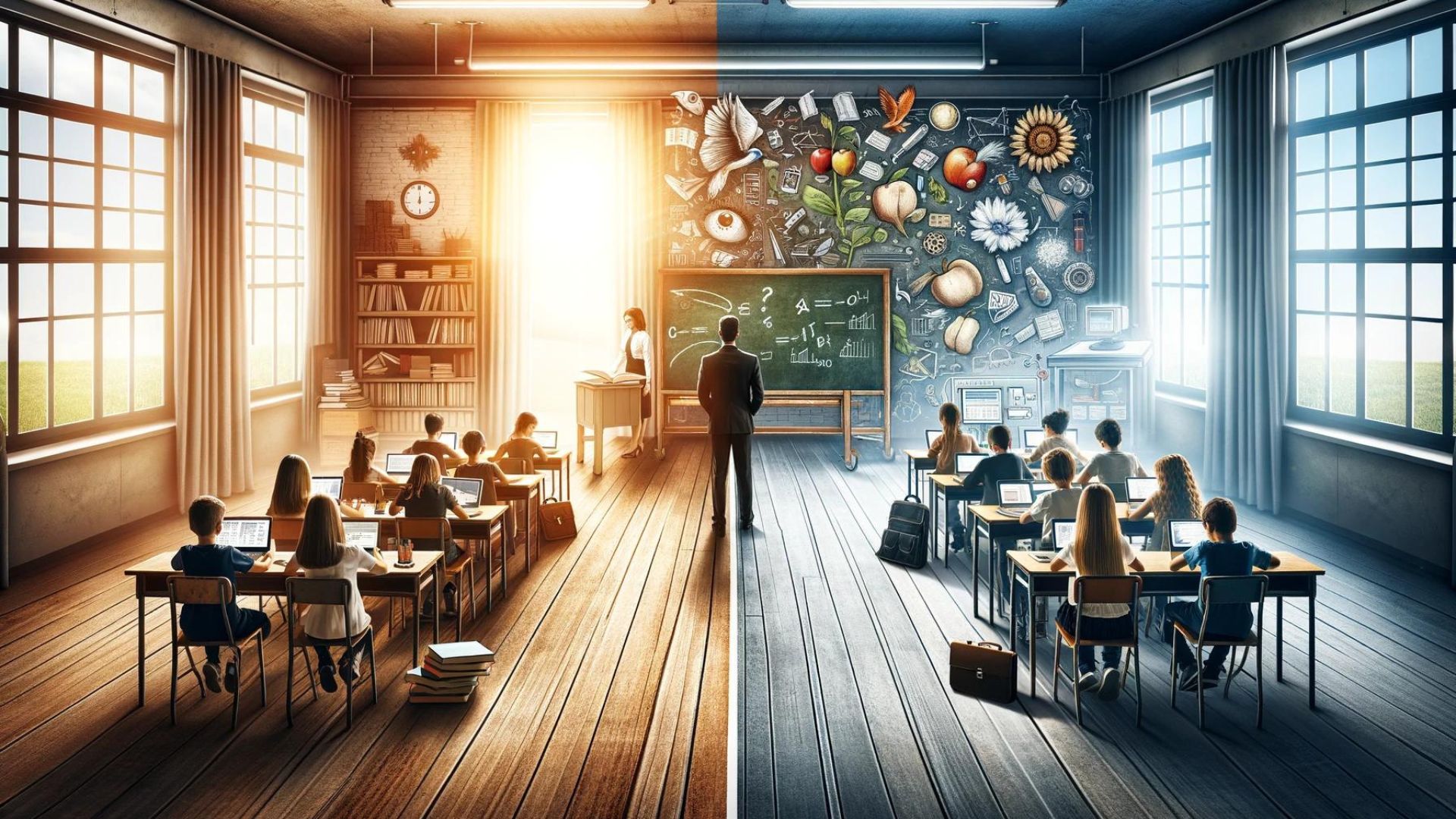

Wisdom Woven: The Enduring Tapestry of Traditional Native American Education
In an era dominated by standardized tests, rigid curricula, and institutionalized learning, the traditional education methods of Native American peoples offer a profound and illuminating counter-narrative. Far from the confines of classrooms and textbooks, education for Indigenous communities across North America was a holistic, lifelong journey, seamlessly woven into the fabric of daily life, culture, and spirituality. It was a dynamic process that forged individuals who were not only skilled and knowledgeable but also deeply connected to their land, their community, and the spiritual world. This rich tapestry of learning, though disrupted by colonialism, continues to inspire and inform contemporary efforts to cultivate well-rounded, responsible, and culturally grounded human beings.
At its core, traditional Native American education was fundamentally holistic, recognizing that true learning encompasses the mind, body, spirit, and emotions. There was no artificial separation between learning and living; life itself was the ultimate classroom. From the moment a child was born, they were immersed in a vibrant, supportive educational environment where every elder, every family member, and indeed, every natural element served as a teacher. The primary goal was not merely to impart facts, but to cultivate wisdom, character, and a deep understanding of one’s place within the interconnected web of existence. As many Indigenous philosophies attest, the aim was to produce individuals who were good relatives – to their families, their communities, the land, and the spirit world.
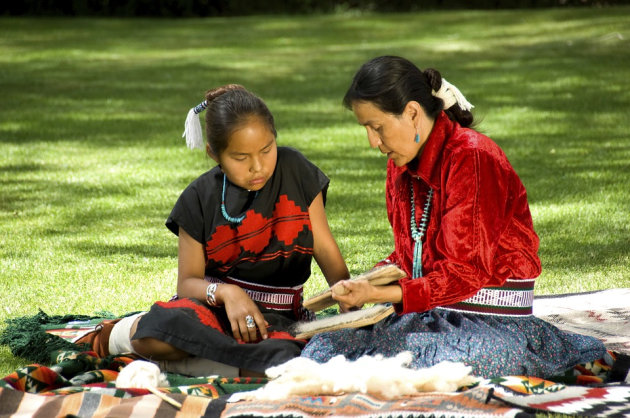
One of the most foundational tenets of this pedagogy was learning by doing and through keen observation. Children were not passive recipients of information but active participants in the daily routines of their communities. They watched their parents, aunts, uncles, and elders perform tasks – hunting, gathering, farming, crafting, weaving, preparing food – and then, when ready, were invited to participate. This experiential learning was highly individualized, allowing children to progress at their own pace, mimicking the actions of their mentors until they mastered the skills themselves. A young boy might accompany his father on a hunt, first observing the tracks and the movements of game, then learning to set snares, and eventually to track and hunt. Similarly, a young girl would learn to prepare medicines by observing her grandmother gather plants, understanding their properties, and participating in the intricate process of their creation. This hands-on approach instilled practical skills alongside a deep respect for the knowledge and effort involved.
The oral tradition stood as the living library of Native American societies. Storytelling was not merely entertainment but the primary vehicle for transmitting history, cosmology, moral lessons, practical knowledge, and spiritual beliefs across generations. Elders, revered as the living repositories of ancestral wisdom, would share creation myths, trickster tales, heroic sagas, and cautionary narratives, often imbued with layers of meaning that unfolded as a listener matured. Through these stories, children learned about their people’s origins, their relationship with the land and its creatures, the importance of reciprocity, courage, humility, and perseverance. A story about a particular animal, for instance, might simultaneously teach about its behavior, its spiritual significance, and its place in the ecosystem, all while subtly reinforcing community values. As a general sentiment shared by many Native elders encapsulates, "Our stories are not just entertainment; they are our textbooks, our laws, our history, and our prophecies."
Beyond storytelling, mentorship was a pervasive and crucial aspect of traditional education. Every adult in the community played a role in guiding the young, but often, specific individuals would take on mentorship roles based on a child’s natural aptitudes or interests. A child showing an early affinity for healing plants might be mentored by a medicine person, while another demonstrating artistic talent would learn from a skilled artisan. This individualized approach contrasted sharply with modern one-size-fits-all schooling, allowing for the nurturing of unique talents and passions. The learning environment was characterized by patience, encouragement, and a strong sense of belonging, fostering self-esteem and a secure cultural identity.

Play and games were also far more than simple recreation; they were integral components of skill development and cultural transmission. Traditional games, often highly sophisticated and physically demanding, taught coordination, strategy, problem-solving, teamwork, and physical prowess. Lacrosse, for instance, a game with deep spiritual roots for many Eastern Woodlands nations, required immense endurance, agility, and strategic thinking, preparing young men for hunting and warfare while reinforcing community cohesion. Girls often played with dolls, practicing the skills of caregiving, crafting, and community management, mirroring the roles they would assume in adulthood. These activities were not seen as separate from education but as vital preparatory experiences, embedding essential life skills and cultural values in an engaging and enjoyable manner.
Perhaps one of the most profound aspects of Native American education was its inseparable connection to the land. The environment itself was the ultimate classroom, offering lessons in biology, ecology, meteorology, astronomy, and sustainable living. Children learned to identify countless plants for food and medicine, understand animal behaviors, track the changing seasons, navigate by the stars, and predict weather patterns. This intimate relationship fostered an ethic of profound environmental stewardship, teaching that humans are not separate from nature but an integral part of it, with a sacred responsibility to care for the earth. Lessons about reciprocity and balance were learned directly from observing the natural world, leading to practices that ensured resources were sustained for future generations.
Ceremony and ritual served as powerful educational experiences, reinforcing spiritual beliefs, cultural values, and an individual’s place within the cosmos. Rites of passage, such as vision quests or naming ceremonies, marked significant transitions in an individual’s life, imbuing them with spiritual understanding and a heightened sense of purpose and responsibility. These sacred practices taught about cosmic order, the interconnectedness of all life, and the importance of maintaining spiritual balance. They were not merely religious acts but profound educational journeys that shaped worldview and identity, ensuring the continuity of cultural and spiritual heritage.
Crucially, language immersion was the bedrock upon which all other forms of traditional education rested. Children learned their ancestral languages naturally, spoken by everyone around them from birth. Language was understood as far more than just a means of communication; it was the carrier of culture, worldview, and identity. The intricate grammars, specific vocabularies, and unique linguistic structures of Indigenous languages encoded specific ways of thinking, relating to the environment, and understanding the spiritual realm. The loss of language, therefore, has often equated to a profound loss of cultural knowledge and identity, a challenge many communities are now actively addressing through language revitalization efforts.
The ultimate outcomes of this comprehensive educational system were individuals who were self-reliant, communally responsible, spiritually grounded, skilled in practical arts, and deeply connected to their heritage. The emphasis was on character development – fostering humility, generosity, courage, wisdom, and respect – rather than simply accumulating information. Graduates of this system were equipped not just for a career, but for a full and meaningful life, contributing actively to the well-being and perpetuation of their communities.
This sophisticated and effective system faced catastrophic disruption with the arrival of European colonizers and the subsequent imposition of Western education models. Boarding schools, notoriously exemplified by institutions like the Carlisle Indian Industrial School, were explicitly designed to "kill the Indian, save the man," systematically stripping Indigenous children of their languages, cultures, and traditional ways of learning. This forced assimilation caused immense trauma and led to a profound disconnect for generations of Native peoples from their ancestral knowledge.
Despite these devastating impacts, the resilience of Indigenous communities has ensured that the wisdom of traditional education endures. Today, there is a powerful movement to revitalize these methods, integrating them into contemporary educational settings. Tribal colleges, language immersion schools, and cultural centers are leading the way, designing curricula that blend modern academic subjects with traditional pedagogical approaches. Project-based learning, mentorship programs, land-based education, and storytelling are being re-embraced, not as relics of the past, but as vital, effective strategies for educating young people in a culturally relevant and holistic manner.
The lessons embedded in traditional Native American education methods hold profound relevance not just for Indigenous communities, but for all humanity. In a world grappling with environmental crises, social fragmentation, and a yearning for deeper meaning, these approaches offer powerful insights into fostering holistic development, ethical responsibility, and a respectful relationship with the natural world. They remind us that true education is a lifelong journey, deeply rooted in community, guided by wisdom, and ultimately, about learning to live in balance and harmony with all of creation. The enduring tapestry of Native American education is not merely a historical artifact, but a living, breathing testament to a profound wisdom that continues to offer pathways to a more just, sustainable, and interconnected future.


