
Nurturing the Spirit: The Enduring Wisdom of Historical Native American Child-Rearing Practices
In an era increasingly focused on early childhood development, structured learning, and often, rigid disciplinary approaches, the historical child-rearing practices of Native American peoples offer a profound and often counter-narrative perspective. Far from a monolithic system, these traditions, spanning hundreds of distinct nations across a vast continent, shared fundamental philosophies rooted in respect, interconnectedness, and a deep understanding of a child’s inherent spirit. This journalistic exploration delves into the historical tapestry of Native American childhood, revealing methods that fostered autonomy, resilience, and a profound connection to family, community, and the natural world.
The very concept of a child within many Native American societies was imbued with a sacred reverence. Children were not seen as empty vessels to be filled, nor as unruly beings to be controlled, but rather as gifts from the Creator, possessing an innate spirit and unique purpose. This foundational belief shaped every aspect of their upbringing. As scholar and cultural anthropologist Dr. Patricia Monture-Angus notes in her work on Indigenous legal traditions, "Children are sacred. They are the future, and they are also a link to the past." This perspective fostered an environment of gentle guidance rather than harsh coercion.
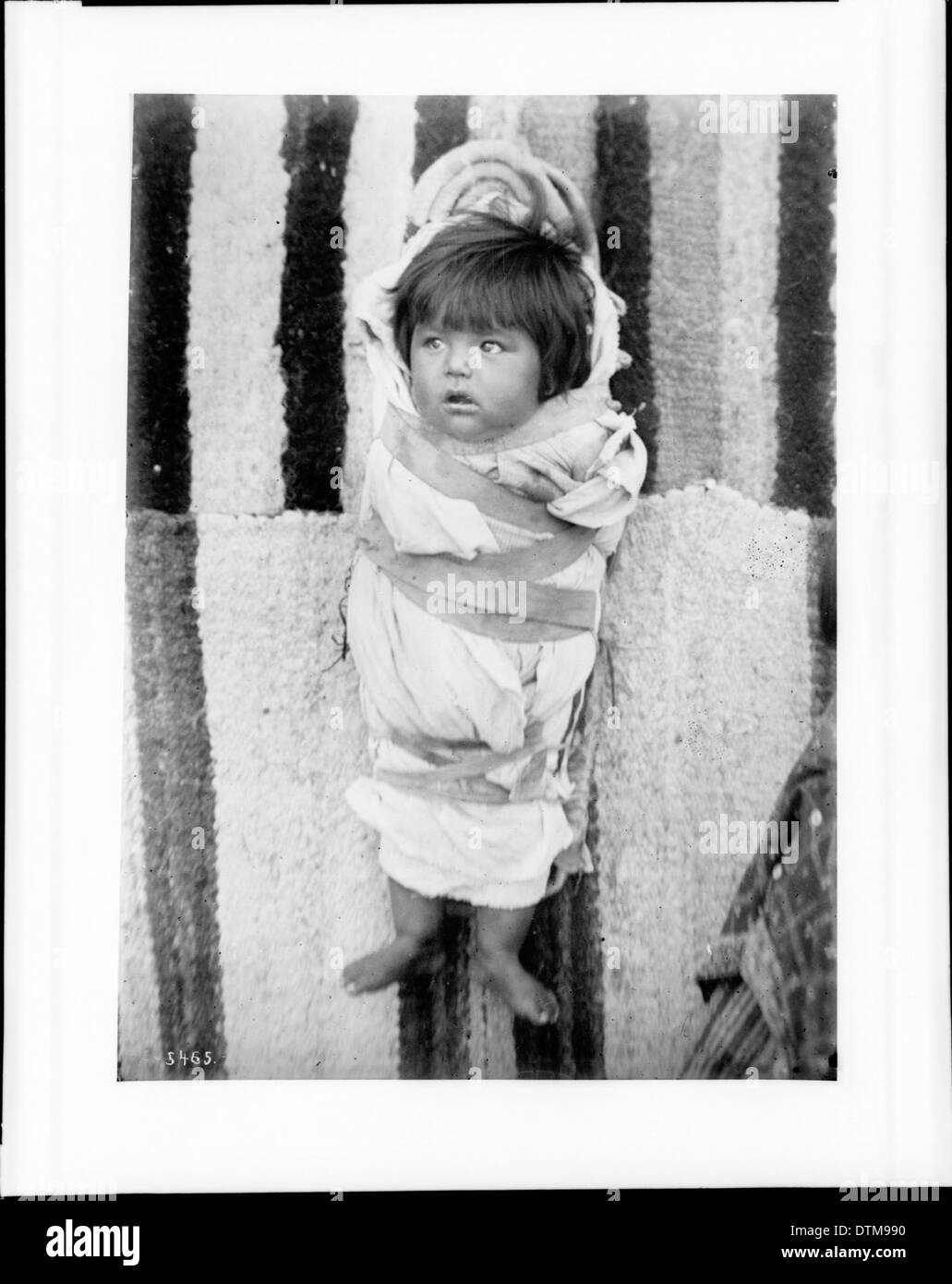
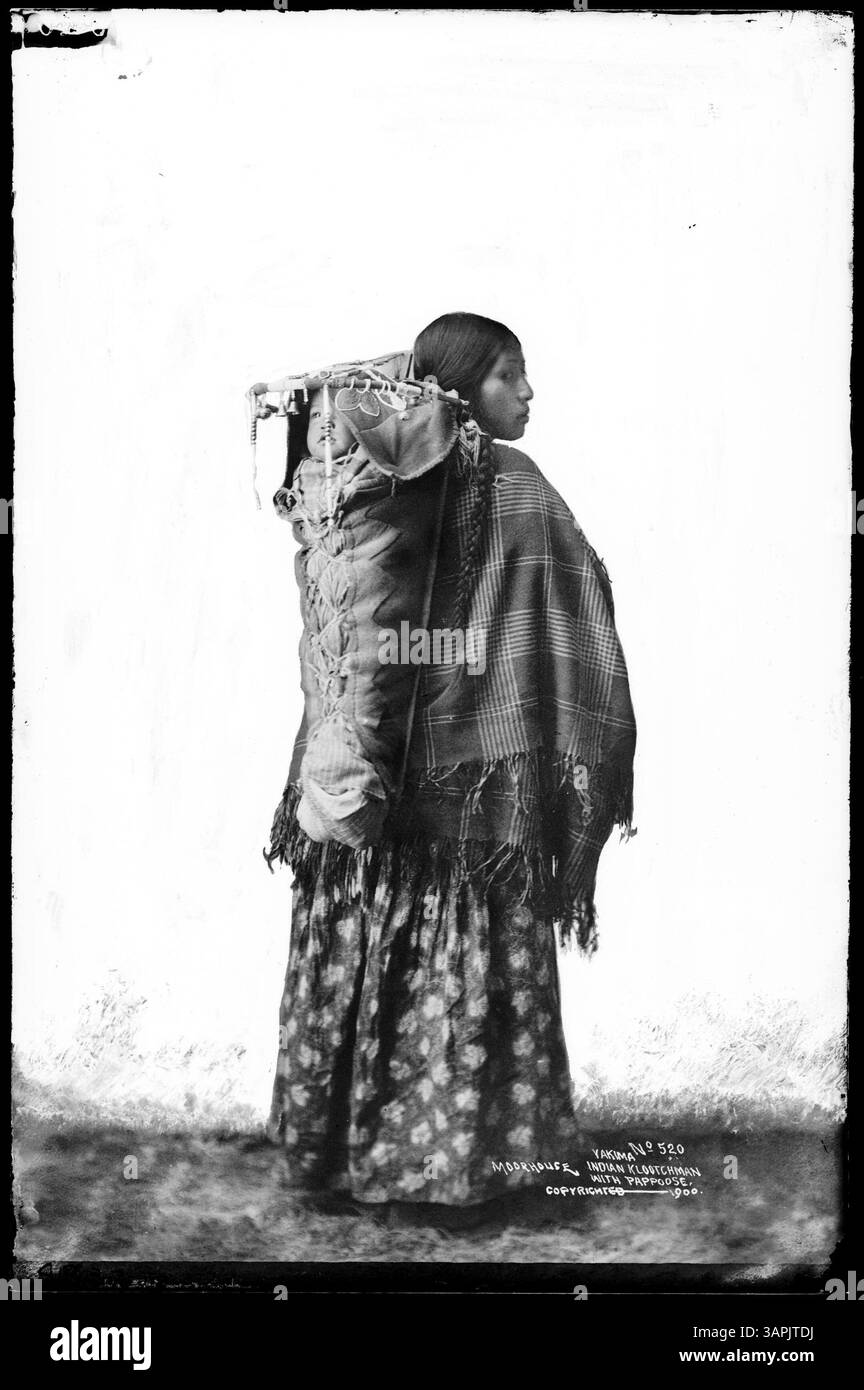
One of the most visually distinctive and enduring symbols of early Native American child-rearing is the cradleboard. Far from being a restrictive device, the cradleboard was a meticulously crafted, often beautifully adorned, mobile bassinet designed for both safety and stimulation. Strapped securely to the mother’s back or propped upright, infants in cradleboards were in constant proximity to their caregivers, participating in daily life from a unique vantage point. They observed their surroundings, listened to conversations, and absorbed the rhythms of their community. This constant physical contact and responsive care fostered a deep sense of security and attachment.
Anthropologist E. Adamson Hoebel, in his studies of Plains Indians, noted how the cradleboard allowed the infant to be "a participant in the social life of the family from the very beginning." This early integration into the community, rather than isolation, laid the groundwork for a lifelong sense of belonging and responsibility. Infants were rarely left to cry unattended; their needs were met promptly, reinforcing a sense of trust and the understanding that they were valued members of the group.
As children grew beyond infancy, the emphasis shifted towards fostering autonomy and self-reliance, always within the protective embrace of the extended family and community. Discipline, as understood in Western terms, was largely absent. Corporal punishment was exceedingly rare, viewed by many tribes as counterproductive and disrespectful to a child’s spirit. Instead, guidance came through storytelling, gentle correction, humor, and the power of example.


Elders played a pivotal role, serving as living libraries of wisdom, history, and moral instruction. Through captivating narratives, often delivered around a fire, children learned tribal values, ethical principles, and the consequences of actions. The stories were not just entertainment; they were vital lessons on humility, generosity, courage, and interconnectedness. "Our stories are our instruction manuals," an Ojibwe elder once explained, "they teach us how to be human."
When a child misbehaved, the response was typically non-confrontational. A parent or elder might use teasing, gentle ridicule, or simply an understanding look to convey disapproval. The most powerful form of correction was often the quiet disapproval of the community, which a child, deeply integrated into the social fabric, would naturally feel. This collective, subtle pressure encouraged conformity to group norms out of respect and a desire for harmony, rather than fear of punishment.
Children were also encouraged to learn by observation and participation. From a young age, they accompanied adults in their daily tasks – hunting, gathering, cooking, crafting. They weren’t just onlookers; they were apprentices. A young girl might watch her mother weave, gradually being given small tasks until she could complete the entire process. A boy might accompany his father on a hunt, learning tracking and patience long before he was old enough to carry a weapon. This experiential learning was highly effective, teaching practical skills alongside responsibility and an understanding of their role in sustaining the community.
"Our children were never told ‘don’t touch that’ or ‘stay away’," recounts a Crow elder in a historical account. "They were shown how to handle things, how to be careful. They learned by doing, by watching, by being part of everything." This approach fostered a deep sense of competence and confidence, allowing children to develop skills at their own pace, driven by their innate curiosity.
The concept of the "extended family" was central to Native American child-rearing. It truly "took a village" to raise a child, and often, more than one. Grandparents, aunts, uncles, and even distant relatives played active roles in a child’s upbringing, providing multiple layers of support, love, and mentorship. This web of relationships ensured that children always had someone to turn to, and that the burden of caregiving was shared, preventing burnout and enriching the child’s social development. This communal approach also reinforced the idea that every member of the tribe had a stake in the well-being and development of its youngest members.
Spirituality was woven into the fabric of daily life and was a continuous part of a child’s education. Children were taught to respect all living things – the animals, plants, rivers, and mountains – understanding their interconnectedness and their role within the natural world. Ceremonies, songs, and dances were not just rituals; they were powerful pedagogical tools that transmitted cultural knowledge, spiritual beliefs, and a sense of identity. A child learned not only who they were, but where they belonged in the grand scheme of creation.
As children approached adolescence, many tribes incorporated rites of passage designed to mark their transition to adulthood. These ceremonies, which varied widely among nations, often involved periods of solitude, spiritual questing, and the demonstration of practical skills or resilience. For instance, among some Plains tribes, a vision quest might involve a young person fasting alone in a remote area, seeking guidance from the spirit world. These experiences were transformative, helping young people to understand their strengths, their purpose, and their responsibilities to the community.
The stark contrast between these historical Native American practices and the often authoritarian, individualistic, and punishment-centric approaches of European colonizers could not have been greater. The subsequent imposition of boarding school systems, which forcibly removed Native children from their families and cultures, was a devastating attempt to eradicate these rich traditions. Children were forbidden to speak their languages, practice their ceremonies, or engage in the gentle, community-centric forms of learning and discipline that had sustained their peoples for millennia. The trauma of these policies continues to reverberate through generations.
Yet, despite these profound disruptions, the wisdom embedded in historical Native American child-rearing practices endures. Many contemporary Indigenous communities are actively revitalizing these traditions, recognizing their profound value in fostering resilient, self-aware, and community-minded individuals. The emphasis on respect for the child’s spirit, the power of gentle guidance, the strength of extended family, and the wisdom of experiential learning offers timeless lessons that transcend cultural boundaries.

In an increasingly complex world, the historical Native American approach reminds us that true education is not merely the acquisition of facts, but the holistic nurturing of a human being – mind, body, and spirit – within a supportive and interconnected community. It is a philosophy that teaches us that children are not just our future, but also our most precious link to the past, holding within them the potential for profound wisdom and connection.


