
For centuries, Indigenous communities across North America have relied on traditional medicine for healing and well-being. On Indian Reservations, this practice remains a vital part of cultural identity and healthcare, offering a unique approach to treating physical, mental, and spiritual ailments. This article explores the rich history, diverse practices, and contemporary relevance of traditional medicine within these communities.
What is Traditional Medicine?
Traditional medicine encompasses a wide range of holistic healthcare practices, knowledge, and beliefs indigenous to different cultures. Rooted in ancestral wisdom and a deep connection to nature, it often involves herbal remedies, spiritual healing, and traditional ceremonies. It is important to note that the term "Indian Reservations" can be replaced with "Native American Reservations" or, more accurately, by the specific name of the Tribal Nation being discussed. Each nation has unique traditions.
Unlike conventional Western medicine, which often focuses on treating symptoms, traditional medicine emphasizes addressing the root cause of illness and restoring balance within the individual and their community. This approach considers the interconnectedness of the mind, body, and spirit, promoting overall wellness.
Historical Context of Traditional Medicine
Prior to European colonization, Indigenous communities possessed sophisticated medical systems based on their deep understanding of the natural world. They used a wide variety of plants, animals, and minerals for medicinal purposes, developing intricate knowledge of their properties and applications. Oral traditions passed down this knowledge through generations of healers, medicine men, and elders.

However, the arrival of European settlers brought disease, displacement, and cultural suppression, which significantly impacted traditional medical practices. Many Indigenous communities lost access to their traditional lands and resources, disrupting their ability to gather medicinal plants and maintain their healing traditions. Government policies aimed at assimilation further undermined traditional medicine, often replacing it with Western medical practices.
Practices of Traditional Medicine
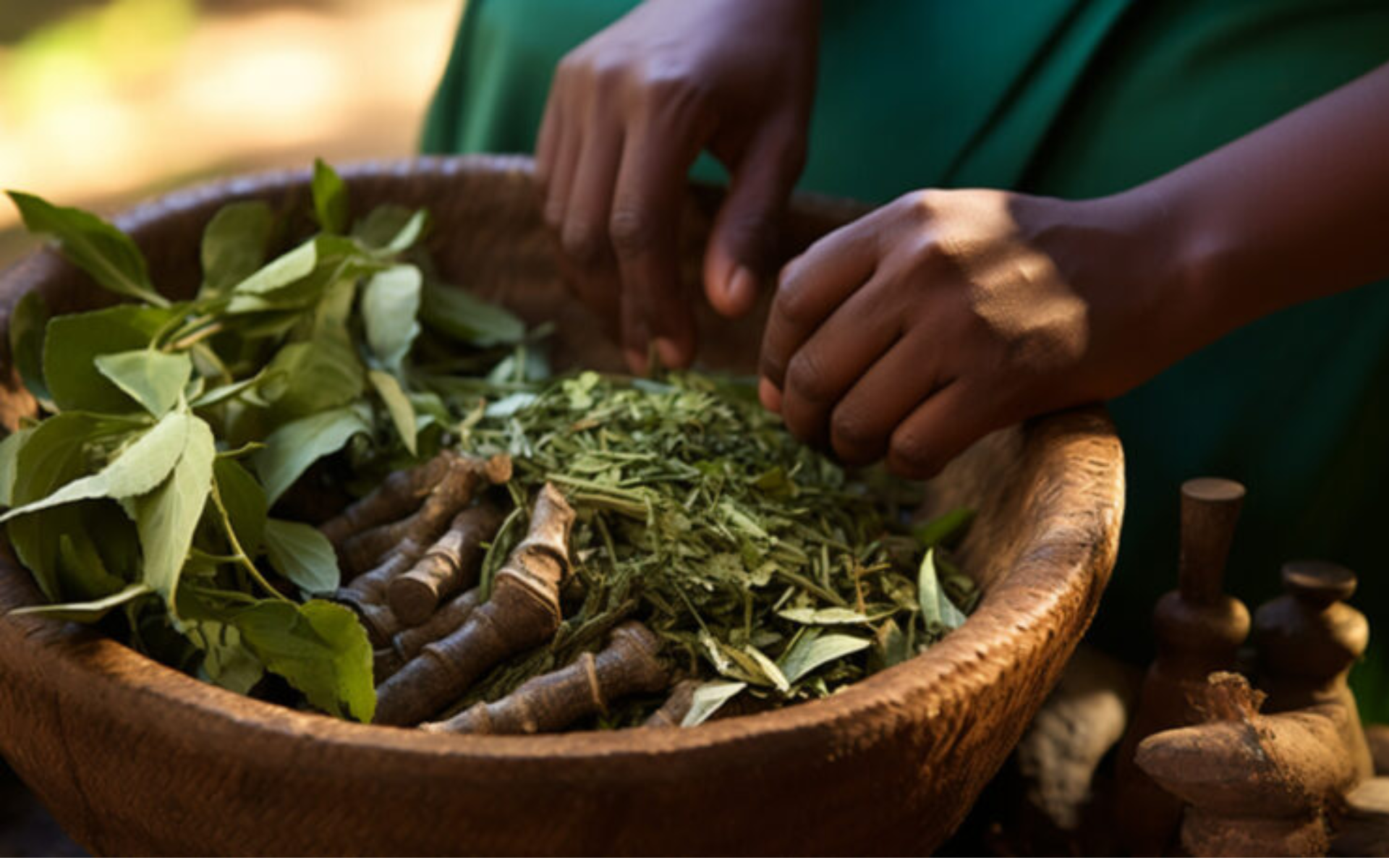
Herbal Remedies: The use of medicinal plants is a cornerstone of traditional medicine. Knowledge of plant identification, harvesting, preparation, and application is carefully guarded and passed down through generations. Common examples include sage for purification, cedar for protection, and sweetgrass for healing.
Spiritual Healing: Many Indigenous cultures believe that illness can be caused by spiritual imbalances or negative energies. Spiritual healers, such as medicine men or shamans, use ceremonies, prayers, and rituals to restore harmony and promote healing. These ceremonies often involve drumming, singing, and dancing.
Sweat Lodges: Sweat lodges are sacred ceremonies that involve purifying the body and spirit through intense heat and steam. They are often used for physical and emotional healing, as well as for spiritual guidance.
Counseling and Support: Traditional healers often provide counseling and support to individuals and families, addressing emotional and psychological issues that may contribute to illness. They may also offer guidance on how to live a healthy and balanced life.
Common Ailments Treated with Traditional Medicine
Physical ailments: such as colds, flu, arthritis, and skin conditions.
Mental health issues: such as anxiety, depression, and trauma.


Spiritual imbalances: such as disconnection from nature or cultural identity.
Chronic diseases: such as diabetes and heart disease.
Benefits of Traditional Medicine
Holistic approach: It addresses the root cause of illness by considering the interconnectedness of the mind, body, and spirit.
Cultural relevance: It is rooted in Indigenous cultural beliefs and values, making it more accessible and acceptable to many community members.
Natural remedies: It utilizes natural remedies that may have fewer side effects than conventional medications.
Community involvement: It often involves community members in the healing process, fostering social support and cohesion.
Challenges of Traditional Medicine
Lack of scientific validation: Many traditional remedies have not been scientifically tested for safety and efficacy.
Limited access: Access to traditional healers and medicines may be limited in some communities.
Cultural appropriation: Concerns about cultural appropriation and the misuse of traditional knowledge exist.
Integration with Western medicine: Integrating traditional medicine with Western medical practices can be challenging due to differences in philosophy and approach.
The Role of Elders in Preserving Knowledge
Elders play a crucial role in preserving and transmitting traditional medical knowledge. They hold a wealth of wisdom accumulated over generations, serving as keepers of cultural traditions and healers within their communities. Their guidance is essential for ensuring the continuity and integrity of traditional medicine practices.
Legal and Ethical Considerations
The practice of traditional medicine raises several legal and ethical considerations. These include issues related to intellectual property rights, access to traditional knowledge, and the regulation of traditional healers. It is important to ensure that traditional medicine practices are protected and respected, while also safeguarding the health and safety of community members.
Traditional Medicine in the 21st Century
In recent years, there has been a growing interest in traditional medicine, both within Indigenous communities and among the general population. Many Indian Reservations are working to revitalize and integrate traditional medicine into their healthcare systems, offering patients a wider range of treatment options. This includes establishing traditional healing centers, training traditional healers, and conducting research on the safety and efficacy of traditional remedies.
Integrating Traditional and Western Medicine
The integration of traditional and Western medicine offers the potential to create a more comprehensive and culturally sensitive healthcare system. This can involve collaboration between traditional healers and Western medical practitioners, as well as the development of culturally appropriate healthcare programs. By combining the strengths of both approaches, it is possible to provide patients with the best possible care.
Examples of Successful Integration
The Native American Rehabilitation Association (NARA) in Portland, Oregon, which offers a range of culturally specific services, including traditional healing, mental health counseling, and substance abuse treatment.
The White Earth Reservation in Minnesota, which has established a traditional healing center that offers a variety of traditional healing practices, including herbal medicine, sweat lodge ceremonies, and spiritual counseling.
The Indian Health Service (IHS), which has implemented a number of programs to support the integration of traditional medicine into its healthcare system.
Resources for Learning More
The Indian Health Service (IHS): The IHS provides healthcare services to American Indians and Alaska Natives.
The National Center for Complementary and Integrative Health (NCCIH): NCCIH conducts research on complementary and integrative health practices, including traditional medicine.
Tribal health organizations: Many Tribal health organizations offer resources and information on traditional medicine.
Conclusion: A Path Towards Holistic Healing
Traditional medicine on Indian Reservations represents a valuable and enduring legacy of healing and cultural resilience. By understanding its history, practices, and benefits, we can appreciate its potential to contribute to the well-being of Indigenous communities and promote a more holistic approach to healthcare. As we move forward, it is essential to support the revitalization and integration of traditional medicine, ensuring that it remains a vital part of healthcare for generations to come.
The revitalization of traditional medicine is not only about preserving cultural heritage but also about addressing health disparities and promoting health equity within Indigenous communities. By empowering individuals to connect with their cultural roots and utilize traditional healing practices, we can foster a sense of belonging, resilience, and overall well-being.
Ultimately, the future of healthcare on Indian Reservations lies in embracing a collaborative and integrative approach that honors the wisdom of traditional medicine while leveraging the advancements of modern science. This requires building bridges between different healthcare systems, fostering mutual respect and understanding, and empowering Indigenous communities to lead the way in shaping their own healthcare destinies.


