

Family structures on Indian Reservations are incredibly diverse and complex, reflecting a blend of ancient traditions, historical disruptions, and contemporary challenges. Understanding these structures requires acknowledging the profound impact of colonization, forced assimilation, and ongoing socio-economic factors. This article aims to provide a comprehensive overview of family life within these communities, highlighting both the unique strengths and the persistent struggles.
Historical Context and Its Impact
The history of Native American tribes in the United States is marked by significant trauma, including forced removal from ancestral lands, the boarding school era (designed to assimilate Native children), and the erosion of traditional cultural practices. These events have had a lasting impact on family structures, leading to intergenerational trauma, loss of language and cultural knowledge, and disruptions in traditional parenting styles.
The boarding school system, in particular, played a devastating role. Children were often forbidden from speaking their native languages or practicing their cultural traditions. This separation from family and culture led to a loss of identity and a breakdown in traditional family roles and responsibilities. The effects of these policies continue to resonate within Native communities today, contributing to challenges such as substance abuse, mental health issues, and family dysfunction.
Traditional Family Values and Kinship Systems
Despite the historical challenges, many Native American tribes have maintained strong ties to their traditional family values and kinship systems. These systems often emphasize the importance of extended family, community responsibility, and respect for elders. Kinship is not solely defined by blood relations; it can also include clan affiliations, adoption practices, and ceremonial ties.
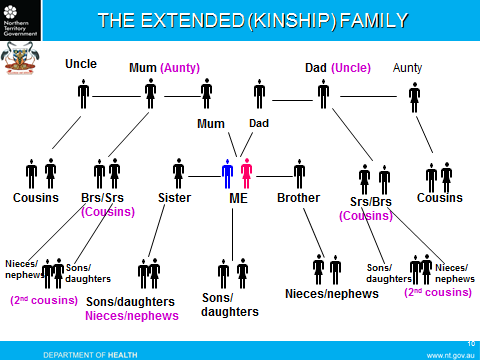

Extended Family Networks: In many Native cultures, the concept of family extends far beyond the nuclear unit. Grandparents, aunts, uncles, and cousins play integral roles in raising children, providing support, and transmitting cultural knowledge. This collective approach to child-rearing ensures that children have multiple caregivers and strong connections to their heritage.
Role of Elders: Elders are highly respected within Native communities and serve as keepers of wisdom, tradition, and cultural knowledge. They play a crucial role in guiding younger generations, teaching them about their history, language, and cultural practices. Their presence within the family provides stability, guidance, and a sense of continuity with the past.
Community Responsibility: Traditional Native cultures often emphasize the importance of community responsibility. Families are expected to support one another, share resources, and work together for the common good. This sense of collective responsibility creates a strong social safety net and fosters a sense of belonging and connection.
Diversity Among Tribal Nations
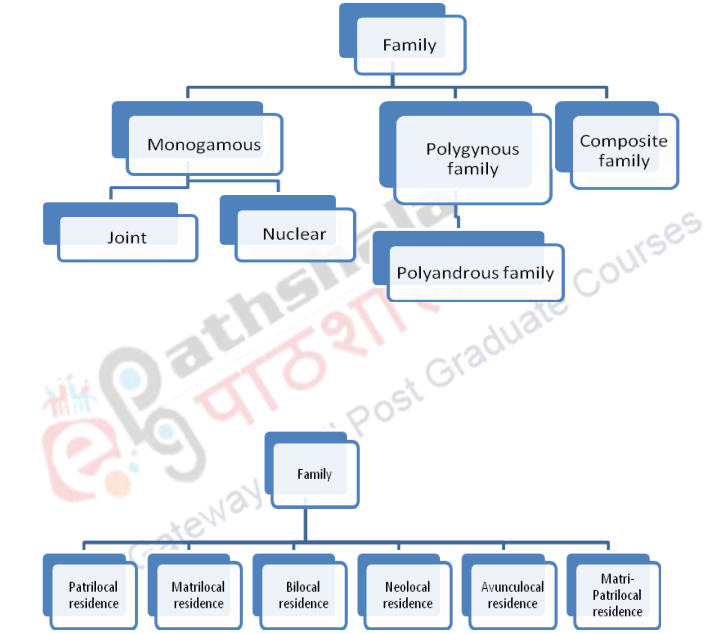
For example, some tribes have matrilineal kinship systems, where lineage and inheritance are traced through the mother’s line. In these societies, women often hold significant power and influence within the family and community. Other tribes have patrilineal systems, where lineage is traced through the father’s line. Understanding these differences is crucial for avoiding generalizations and appreciating the rich diversity of Native American cultures.
Modern Challenges and Adaptations
Contemporary Native American families face a range of challenges, including poverty, unemployment, inadequate housing, and limited access to healthcare and education. These challenges can put a strain on family relationships and contribute to social problems such as substance abuse and domestic violence.
Poverty and Economic Hardship: Many Indian Reservations face high rates of poverty and unemployment, which can make it difficult for families to meet their basic needs. Lack of economic opportunity can lead to stress, instability, and a breakdown in family cohesion.
Substance Abuse: Substance abuse is a significant problem in many Native communities, often stemming from historical trauma, poverty, and lack of opportunity. Substance abuse can have devastating consequences for families, leading to neglect, abuse, and family breakdown.

Healthcare Access: Limited access to healthcare is another major challenge facing Native American families. Many reservations are located in remote areas with limited medical facilities and healthcare providers. This can make it difficult for families to access the care they need, particularly for chronic conditions and mental health issues.
Despite these challenges, Native American families have demonstrated remarkable resilience and adaptability. Many communities are working to revitalize their cultures, strengthen their families, and improve their socio-economic conditions.
Efforts to Revitalize Traditional Family Values
Many Native American communities are actively engaged in efforts to revitalize their traditional family values and cultural practices. These efforts include language revitalization programs, cultural education initiatives, and community-based healing programs.
Language Revitalization: Language is a vital component of culture, and the loss of native languages has had a devastating impact on Native communities. Language revitalization programs aim to teach children and adults their ancestral languages, helping to reconnect them with their culture and identity.
Cultural Education: Cultural education initiatives teach children about their history, traditions, and values. These programs often involve elders who share their knowledge and experiences with younger generations, helping to preserve and transmit cultural heritage.
Community-Based Healing: Community-based healing programs address the intergenerational trauma that many Native families have experienced. These programs often incorporate traditional healing practices, such as sweat lodges, talking circles, and ceremonies, to promote healing and reconciliation.
The Indian Child Welfare Act (ICWA)
The Indian Child Welfare Act (ICWA) of 1978 is a federal law that was enacted to protect Native American children and families. ICWA was passed in response to the alarmingly high rates at which Native children were being removed from their homes and placed in non-Native foster care or adoptive homes.
ICWA establishes specific procedures and requirements for child custody proceedings involving Native American children. The law gives tribal governments the right to intervene in these proceedings and requires state courts to give preference to placing Native children with relatives, tribal members, or other Native families.
ICWA has been instrumental in helping to preserve Native families and cultures. However, the law has also faced challenges and criticisms, particularly in recent years. Despite these challenges, ICWA remains a crucial tool for protecting the rights and well-being of Native American children and families.
Contemporary Family Structures
Today, family structures on Indian Reservations reflect a mix of traditional and modern influences. While extended family networks and kinship systems remain important, many families also resemble nuclear families or single-parent households.
The rise of single-parent households, often headed by women, is a significant trend in many Native communities. Single mothers often face unique challenges, including poverty, lack of access to childcare, and limited educational opportunities. However, they also demonstrate remarkable strength and resilience in raising their children and maintaining their cultural traditions.
Intertribal Marriages and Blended Families
Intertribal marriages, where individuals from different tribal nations marry, are becoming increasingly common. These marriages can create blended families with diverse cultural backgrounds and traditions. While intertribal marriages can enrich family life, they can also present challenges, such as navigating different cultural practices and raising children with a sense of identity in both cultures.
Conclusion
Family structures on Indian Reservations are a testament to the resilience and adaptability of Native American communities. Despite facing historical trauma, socio-economic challenges, and cultural disruptions, Native families have maintained strong ties to their traditions, values, and kinship systems. Ongoing efforts to revitalize languages, preserve cultural heritage, and strengthen families are crucial for ensuring the well-being of future generations. Understanding the complexities of family life within these communities requires acknowledging the diversity among tribal nations and respecting the unique cultural practices of each tribe. By supporting Native families and communities, we can help to promote healing, justice, and self-determination.
- Family structures on Indian Reservations are diverse, reflecting a blend of tradition and change.
- Historical trauma has had a lasting impact on Native families.
- Traditional values, such as kinship and respect for elders, remain important.
- Many communities are working to revitalize their cultures and strengthen their families.
- The Indian Child Welfare Act (ICWA) plays a crucial role in protecting Native children and families.


