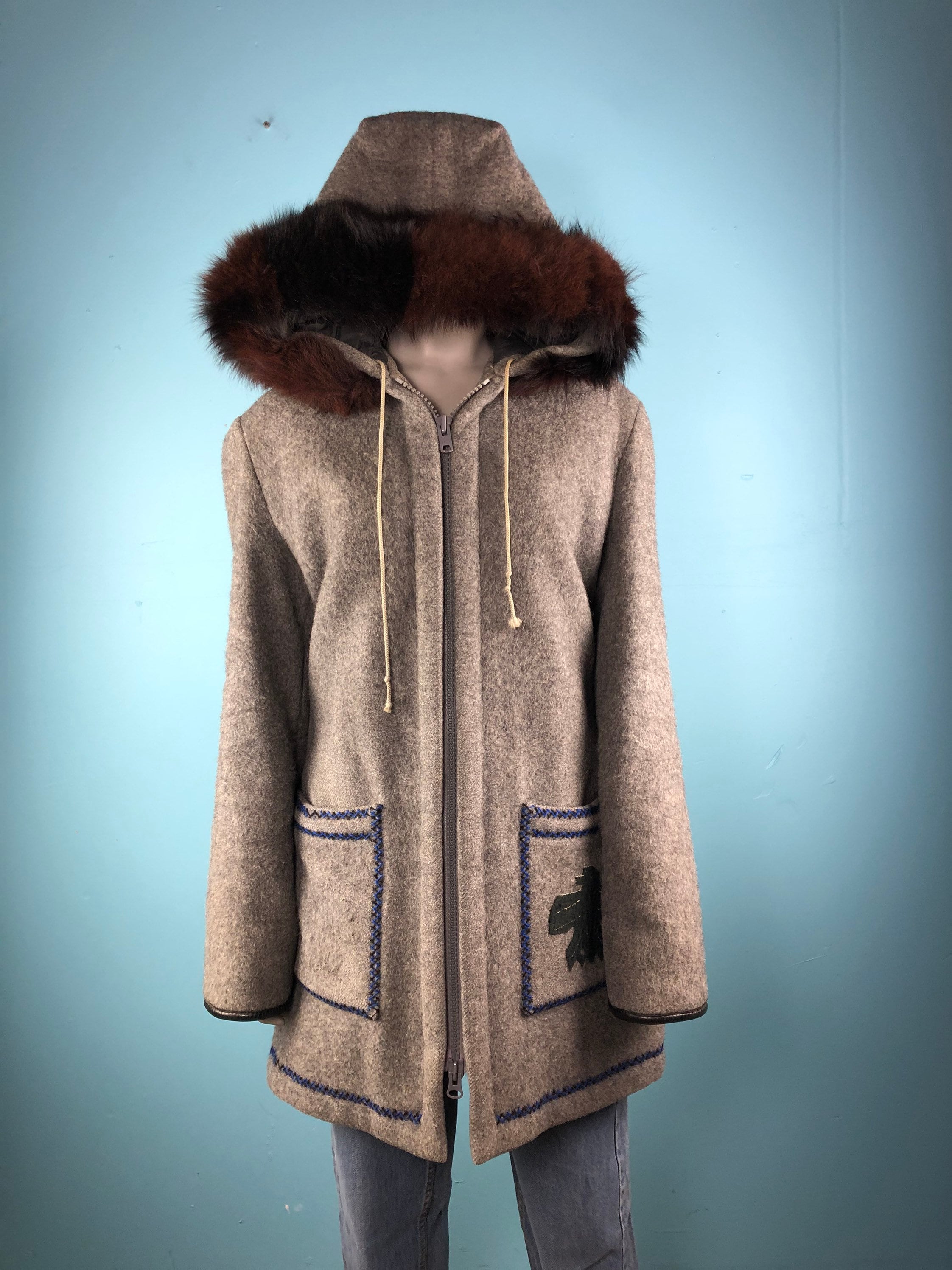
The traditional Eskimo parka, often simply referred to as an anorak in some contexts, stands as a testament to human ingenuity and resilience in the face of the planet’s harshest environments. Far more than just a coat, it is a meticulously engineered piece of Arctic outerwear, born from centuries of knowledge passed down through generations of Inuit, Yup’ik, and other indigenous peoples of the North.
Designed for survival in sub-zero temperatures, fierce winds, and treacherous snow conditions, these parkas embody a profound understanding of natural materials and sophisticated construction techniques. Their design principles, honed over millennia, continue to influence modern cold-weather gear, proving their timeless effectiveness.
Historical Roots and the Necessity of Design
The origins of the parka are deeply intertwined with the history of the Arctic’s indigenous inhabitants. For thousands of years, communities living across the circumpolar North – from Alaska and Canada to Greenland and Siberia – faced the existential challenge of staying warm and dry. Their survival depended entirely on their ability to create clothing that could withstand extreme cold, insulate effectively, and repel moisture.
Early parkas evolved from simple animal skin coverings into complex, multi-layered garments. Each element, from the choice of material to the type of stitch, was carefully considered and perfected, reflecting an intimate relationship with the land and its resources.
Core Purpose: Survival in Extreme Cold

The primary function of any traditional Eskimo parka is unequivocal: to preserve body heat and protect against the elements. This is achieved through a combination of superior insulation, windproofing, and moisture management. Unlike contemporary jackets, which often rely on synthetic fillers, traditional parkas utilized the inherent properties of animal hides and furs to create an unparalleled microclimate for the wearer.
The design inherently addresses the unique challenges of the Arctic, such as protecting vital organs, maintaining dexterity, and providing adequate ventilation to prevent overheating during strenuous activity, which could lead to dangerous chilling once activity ceases.
Key Materials: Nature’s Ingenuity at Work
- Caribou Hide: Revered for its exceptional warmth-to-weight ratio. Caribou fur, with its hollow hairs, traps air efficiently, providing superb insulation. It was often used for the inner layer due to its softness and warmth.
- Sealskin: Prized for its durability and natural water resistance. Sealskin, particularly when processed correctly, creates a tough outer shell that can withstand abrasion and repel snow and ice. Different types of sealskin (e.g., ringed seal, bearded seal) offered varied textures and properties.
- Bird Skins/Feathers: For lightweight yet effective insulation, the skins of birds like eiders, often with feathers still attached, were sometimes used as an inner lining.
- Gut Skin: For truly waterproof garments, particularly for kayaking or hunting in wet conditions, processed gut from seals or other animals was meticulously sewn together. This transparent, surprisingly strong material offered an excellent barrier against water.
- Sinew: Animal sinew, typically from caribou or whale, was the primary thread. It was incredibly strong and, when wet, would swell, helping to create watertight seams.
Construction Techniques: A Masterclass in Craftsmanship
The construction of a traditional parka was an arduous and highly skilled process. It often involved a double-layer design: an inner parka with the fur facing inwards for warmth, and an outer parka with the fur facing outwards (or a smooth hide surface) for protection against wind and snow.
The sewing techniques were particularly advanced. Seams were often flat-felled or welted to reduce bulk and increase durability. For waterproof garments, specialized ‘running stitches’ or ‘blind stitches’ were used, where the needle never fully pierced the outer layer of skin, preventing water ingress. This meticulous attention to detail ensured not only warmth but also longevity.
The Iconic Hood and Fur Ruff
A defining feature of the traditional parka is its generously sized hood, often lined with fur. The most distinctive element is the fur ruff (neqiaq), typically made from the dense, long fur of animals like wolf, wolverine, or arctic fox. The fur is strategically placed to create a microclimate around the face, trapping warm air and protecting against frostbite. The varying lengths of guard hairs and underfur effectively break the wind and prevent ice buildup directly on the skin.

Regional Variations: A Tapestry of Cultures
While sharing core principles, parka designs varied significantly among different Arctic indigenous groups, reflecting local resources, climate conditions, and cultural aesthetics. For instance, the amauti of the Inuit women in Canada is instantly recognizable by its large pouch on the back, designed to carry an infant warmly and securely against the mother’s body.
Yup’ik parkas from Alaska often featured intricate mosaic designs made from different colored furs, showcasing individual artistry and tribal identity. Siberian Yupik and Chukchi peoples also developed distinct styles, sometimes incorporating reindeer hide and unique decorative elements.
Beyond Warmth: Cultural Significance and Artistry
The parka was never just utilitarian; it was a canvas for cultural expression, identity, and status. Designs could signify tribal affiliation, marital status, or achievements in hunting. Adornments might include intricate beadwork, tassels, or decorative inlays of contrasting furs. These garments were deeply personal, often made by family members, carrying stories and traditions within their stitches.
The creation of a parka was a significant undertaking, often involving the entire family in the hunting, preparing, and sewing processes. It was a communal act that reinforced cultural bonds and the transmission of vital skills.
The Anatomy of a Traditional Parka (Key Components)
- Qulittaq (Body): The main torso section, often designed for layering.
- Natchiq (Hood): Deep and protective, designed to frame the face.
- Neqiaq (Ruff): The crucial fur trim around the hood opening.
- Aqqit (Sleeves): Tapered or cuffed to prevent heat loss, allowing for hand protection or exposure as needed.
- Puulluk (Ventilation Slits): Sometimes found under the arms or at the hem to regulate temperature during exertion.
Modern Adaptations and Enduring Influence
The principles of traditional parka design continue to influence modern cold-weather clothing. Contemporary parkas, even those made with synthetic materials like down, Gore-Tex, and various proprietary insulators, often mimic the elongated cut, protective hood, and strategic layering concepts pioneered by Arctic indigenous peoples.
Many indigenous communities today still create and wear traditional parkas, blending ancestral techniques with some modern materials or tools. There’s a strong movement to preserve these invaluable skills and cultural heritage, recognizing the parka not just as clothing, but as a living piece of history and identity.
Caring for Traditional Parkas
Caring for a traditional parka, especially one made from natural hides and furs, requires specific knowledge. Proper drying after exposure to moisture, regular airing, and protection from pests like moths are essential. Unlike synthetic garments, these require a more hands-on, respectful approach to maintenance, reflecting the value placed on the materials and the craftsmanship.
Conclusion: A Legacy of Arctic Innovation
The traditional Eskimo parka is a profound example of human adaptation and innovative design. From its fundamental role in survival to its rich cultural symbolism, it stands as a testament to the deep wisdom and artistic skill of Arctic indigenous peoples. Its enduring legacy is not just in its ability to keep one warm, but in the story it tells of harmony with nature, profound knowledge, and unbreakable spirit in the world’s most challenging environments.
This remarkable garment reminds us that true innovation often comes from necessity and a deep respect for the natural world, lessons that remain profoundly relevant today.

.jpeg?w=200&resize=200,135&ssl=1 "Jobs Available On Indian Reservations")

