
In the vast, unforgiving expanse of the Arctic, where conventional agriculture is impossible, the Indigenous peoples, primarily the Inuit, developed a dietary strategy that has fascinated scientists and health enthusiasts for decades. This traditional way of eating, often referred to as the ‘Eskimo diet,’ is a testament to human adaptability and a profound source of nutritional wisdom.
For centuries, the Inuit thrived on a diet overwhelmingly composed of animal products, particularly from marine mammals. This unique nutritional profile allowed them to survive and maintain robust health in one of the planet’s most extreme environments, long before the advent of modern medicine and processed foods.
The term ‘Eskimo’ is often considered derogatory and has largely been replaced by ‘Inuit’ (meaning ‘the people’ in Inuktitut). However, the traditional dietary practices associated with these Arctic communities continue to be a subject of intense scientific interest, offering unique perspectives on human nutrition and metabolic health.
At its core, the traditional Inuit diet is a high-fat, high-protein, and remarkably low-carbohydrate regimen. It stands in stark contrast to global dietary guidelines that often emphasize plant-based foods and limit fat intake, prompting critical questions about what truly constitutes a healthy human diet.
What exactly did this diet consist of? The primary staples were marine mammals such as seals, whales (like narwhal and beluga), and walruses. These animals provided not just meat but also vital organs, blubber, and skin, all consumed with purpose and reverence.
Fish, including arctic char, cod, and salmon, also played a crucial role, providing a consistent source of protein and essential fatty acids. Land animals like caribou and muskox were hunted when available, adding further diversity to their nutritional intake.
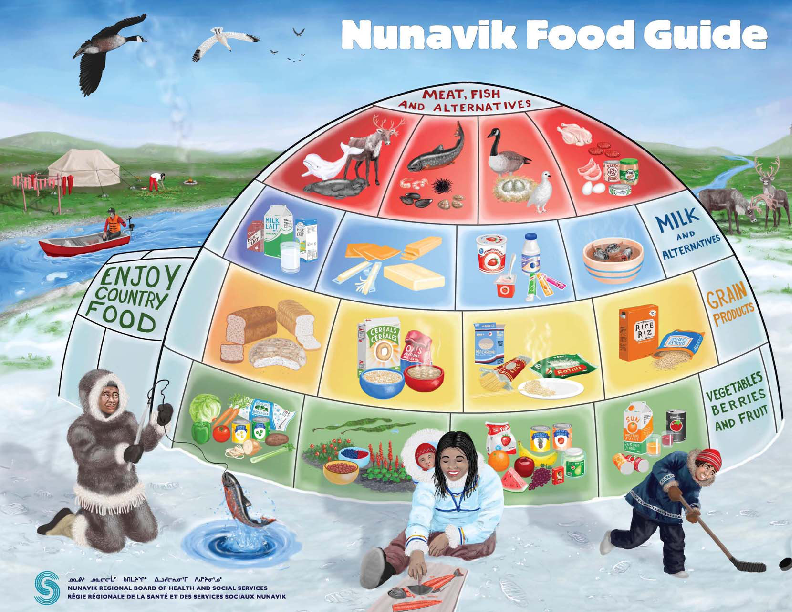
Contrary to popular belief, the traditional Inuit diet was not entirely devoid of plant matter. While scarce, certain berries, roots, and seaweeds were consumed seasonally, often in small quantities or as part of the stomach contents of hunted animals, providing trace amounts of carbohydrates and fiber.
The consumption of raw or minimally cooked foods was also a hallmark of this diet. This practice helped preserve delicate nutrients, such as certain vitamins and enzymes, that might otherwise be destroyed by high heat.
One of the most striking features of the traditional Inuit diet is its incredibly high concentration of omega-3 fatty acids. These essential fats, particularly EPA and DHA, are abundant in the blubber and flesh of cold-water fish and marine mammals. They are renowned for their anti-inflammatory properties and their role in cardiovascular and brain health.
The sheer quantity of omega-3s consumed historically is believed to be a key factor in the observed low rates of heart disease and other chronic inflammatory conditions among Inuit populations who adhered to traditional eating patterns.
Another critical nutrient supplied in abundance was Vitamin D. In regions with long periods of darkness, obtaining sufficient Vitamin D from sunlight is impossible. The Inuit diet, rich in fatty fish, seal liver, and blubber, provided ample amounts of this crucial vitamin, essential for bone health, immune function, and overall well-being.
Furthermore, the diet was a powerhouse of other essential vitamins and minerals. Organ meats, in particular, offered significant levels of Vitamin A (from liver), iron, zinc, and various B vitamins, ensuring comprehensive micronutrient intake despite limited food diversity.
The concept of ‘Vitamin C deficiency’ (scurvy) is often associated with diets lacking fresh fruits and vegetables. Yet, traditional Inuit populations rarely suffered from scurvy. This is attributed to consuming fresh, raw animal tissues, particularly organ meats like liver, and certain parts of marine mammals (like muktuk – whale skin with blubber), which contain small but sufficient amounts of Vitamin C.
While the diet was extremely low in carbohydrates, the Inuit metabolism adapted. Their bodies efficiently utilized fat for energy through ketosis, a metabolic state where the body burns fat instead of glucose. Glycogen stored in muscle tissues of hunted animals also provided a small, but vital, source of carbohydrates.
For generations, health outcomes among traditional Inuit populations were remarkably positive. Studies from the mid-20th century observed lower incidences of diseases common in Western societies, such as coronary artery disease, hypertension, and diabetes, suggesting a protective effect of their unique dietary habits.

However, the health landscape has dramatically shifted with modernization. The introduction of Westernized processed foods, high in refined carbohydrates, sugars, and unhealthy fats, has led to a rapid decline in traditional dietary practices.
This dietary transition has unfortunately brought with it a surge in chronic diseases that were once rare among the Inuit. Rates of type 2 diabetes, obesity, cardiovascular disease, and certain cancers have risen sharply, mirroring the patterns seen in other industrialized nations.
The stark contrast between historical health and contemporary challenges highlights the profound impact of diet on human health, emphasizing that the ‘health’ of the traditional diet is intrinsically linked to its holistic, unprocessed nature.
What lessons can be gleaned from the traditional Inuit diet? It underscores the importance of nutrient density, particularly from whole, unprocessed animal sources, and the critical role of essential fatty acids and fat-soluble vitamins.
It challenges the conventional wisdom that a diet must be rich in plant-based foods to be healthy, demonstrating that humans can thrive on a very different macronutrient profile when those nutrients are obtained from high-quality, biologically appropriate sources.
While not a practical or sustainable dietary model for most people globally, the traditional Inuit diet offers invaluable insights into metabolic adaptation, the power of omega-3s, and the potential pitfalls of abandoning ancestral eating patterns for highly processed alternatives.
Understanding the traditional Inuit diet is not about advocating for everyone to eat seal blubber. Instead, it’s about appreciating the incredible diversity of human nutritional requirements and the wisdom embedded in diets that have allowed populations to thrive in vastly different ecological niches.
It serves as a powerful reminder that nutritional health is complex and deeply intertwined with environmental context, food quality, and cultural practices. The ‘Arctic Paradox’ continues to inspire research into the intricate relationship between diet, genetics, and long-term well-being.
In conclusion, the traditional Inuit diet represents a remarkable case study in human adaptation and nutritional resilience. Rich in omega-3s, Vitamin D, and essential micronutrients from marine and land animals, it historically supported robust health in the extreme Arctic.
The subsequent health decline following the shift to Westernized diets further underscores the critical importance of whole, unprocessed foods and the profound impact of dietary change on indigenous populations worldwide. The legacy of the Inuit diet continues to offer valuable lessons for modern nutritional science.


