
The Arctic, a land of breathtaking beauty and brutal extremes, presents one of the most formidable challenges to human survival. For millennia, indigenous peoples have not only endured but thrived in this harsh environment, a testament to their profound knowledge, resilience, and remarkable ingenuity. Central to their survival is an intricate understanding of how to stay warm, primarily achieved through the sophisticated design and strategic layering of traditional arctic clothing.
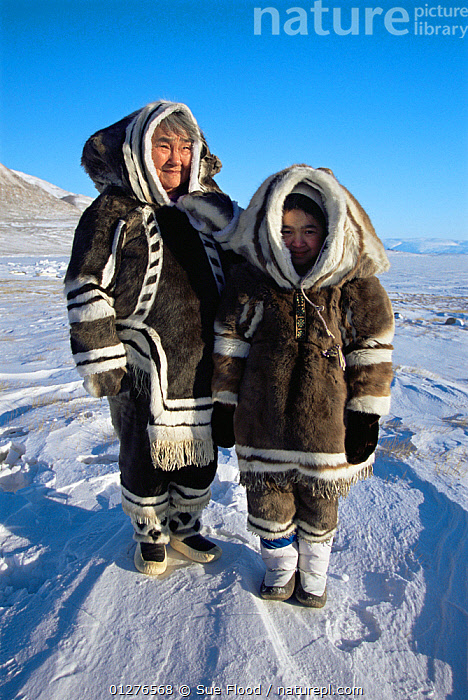
Far from being simple garments, traditional arctic clothing represents a highly evolved system, meticulously crafted from natural materials readily available in their environment. These garments are not just about covering the body; they are about creating a microclimate, trapping precious body heat, and protecting against the relentless wind, snow, and ice.
At the heart of this survival strategy lies the fundamental principle of layering. This concept, now widely adopted in modern outdoor gear, was perfected by Arctic communities long before contemporary science articulated its benefits. Layering allows for dynamic temperature regulation, adapting to varying activity levels and external conditions, a critical factor when facing temperatures that can plummet far below freezing.
Understanding these traditional methods offers invaluable insights into effective cold-weather dressing, highlighting sustainable practices and a deep respect for natural resources. Let’s delve into the fascinating world of traditional arctic clothing layers, exploring the materials, construction, and timeless wisdom embedded in each stitch.
The Foundation: Understanding the Layering Principle
The multi-layer system employed in traditional arctic clothing is designed to achieve several critical functions simultaneously: wicking moisture away from the skin, providing insulation to trap warm air, and offering protection from external elements like wind and precipitation. Each layer plays a specific, vital role.

This system allows the wearer to add or remove layers as their activity level changes, preventing overheating and subsequent chilling from sweat. Overheating can be just as dangerous as under-dressing in the Arctic, as perspiration can freeze and rapidly draw heat away from the body, leading to hypothermia.
Traditional Materials: Gifts from the Land
The materials chosen for traditional arctic clothing are a testament to the resourcefulness of indigenous communities. Every fiber, hide, and fur serves a purpose, carefully selected for its unique insulating, wicking, or protective properties.
Caribou Hide: Perhaps the most iconic material, caribou hide is celebrated for its exceptional insulating qualities. The hollow hairs of the caribou are superior at trapping air, creating an incredibly warm barrier against the cold. It was often used for both inner and outer layers, sometimes with the hair facing inwards for maximum warmth.
Seal Skin: Renowned for its natural water and wind resistance, seal skin was primarily used for outer garments, especially for hunting and travel near water. Its dense, short fur and oily nature made it an excellent protective shell, shedding snow and resisting moisture.
Other Furs: Various furs such as fox, wolf, and wolverine were strategically incorporated. Wolverine fur, for instance, was highly prized for hood ruffs because its coarse texture resists frost build-up from breath, keeping the face clear and protected.
Bird Skins and Down: For lighter, extremely warm inner layers, particularly for babies or specialized garments, bird skins (like eider duck) and their down were sometimes used, offering remarkable warmth-to-weight ratios.
Sinew: Animal sinew, meticulously prepared from tendons, served as the primary sewing thread. Its strength and ability to swell when wet helped to create incredibly durable and water-resistant seams, crucial for garments that needed to withstand extreme conditions.
Deconstructing the Layers: From Skin to Storm
The Base Layer: Moisture Management
The innermost layer, worn directly against the skin, is crucial for managing moisture. Its primary function is to wick sweat away from the body, keeping the skin dry. A dry body stays warm; a wet body rapidly loses heat.
Traditionally, thin, soft caribou skin or bird skins were used for this purpose, sometimes with the hair facing inward for softness and additional insulation. In some contexts, particularly for active periods, people might even wear very little or nothing directly under their mid-layers, relying on the outer layers to manage moisture and the body’s natural heat.
The Mid Layer: The Heart of Insulation
This is the insulation powerhouse, designed to trap air—the best insulator. Traditional mid-layers were often made from thicker caribou hides, sometimes worn in multiple layers, or from other furs. The hollow hairs of caribou create countless tiny air pockets, effectively preventing heat loss.
Garments like inner parkas (often called attigi or qulittaq in some Inuit dialects) made from caribou with the fur facing inward served as excellent mid-layers. The bulkiness of these layers was a deliberate design choice, maximizing trapped air.
The Outer Layer: Shield Against the Elements
The outermost layer acts as a protective shell, shielding the wearer from wind, snow, and ice. It needs to be durable, windproof, and often water-resistant. Seal skin was a common choice for its natural impermeability, especially for hunting and travel on ice or near open water.
Caribou hide, with the hair facing outwards, was also used for outer parkas (qulittaq), providing excellent wind protection and shedding dry snow effectively. Gut parkas, made from the intestines of seals or walruses, were incredibly lightweight and waterproof, ideal for kayaking or wet conditions.
Specialized Garments and Accessories
Beyond the core body layers, specific garments were essential for complete protection in the Arctic environment.
Parkas/Anoraks: These hooded coats are the quintessential Arctic garment. Traditional parkas were often designed with voluminous hoods, frequently trimmed with wolverine fur ruffs, which create a microclimate around the face, protecting it from frostbite while allowing clear vision.
Trousers: Made from caribou or seal skin, often with reinforced knees, these provided essential leg protection. They were designed to integrate seamlessly with boots to prevent cold air from entering.
Footwear: Mukluks and Kamiks: Arctic footwear is a marvel of design. Mukluks (often made from caribou or seal skin with fur), and kamiks (usually seal skin boots) were designed for superior insulation and mobility. They typically consisted of multiple layers: an inner sock or liner (often felted wool or caribou skin), an insulating layer, and a durable, flexible outer boot. The soft soles allowed for quiet movement and excellent grip on snow and ice, while the height protected against deep snow.
Handwear: Mittens and Gauntlets: Hands are particularly vulnerable to cold. Traditional mittens, often made from caribou or seal skin, were designed to be loose-fitting to allow for air circulation and easy removal for dexterity. Long gauntlets extended up the arm, preventing snow from entering the sleeves.
The Art of Craftsmanship and Cultural Significance
The creation of traditional arctic clothing was a highly skilled craft, often passed down through generations. Seams were meticulously sewn, often using a specialized ‘blind stitch’ to prevent water penetration, and sometimes chewed to soften the hide and make it more pliable.
These garments were not merely functional; they were also expressions of cultural identity, adorned with intricate designs, patterns, and sometimes even spiritual symbols. The preparation of hides, tanning processes, and sewing techniques were integral to community life and survival.
Modern Relevance and Enduring Wisdom
The principles pioneered by indigenous Arctic peoples continue to inform modern cold-weather clothing design. Contemporary technical fabrics emulate the wicking, insulating, and protective properties of traditional materials, but the core concept of a multi-layered system remains paramount.
From high-performance mountaineering gear to everyday winter wear, the wisdom of layering for variable conditions, prioritizing moisture management, and maximizing trapped air for insulation is a direct inheritance from thousands of years of Arctic survival.
Conclusion: A Legacy of Survival and Ingenuity
Traditional arctic clothing layers are far more than just garments; they are a sophisticated system, a testament to the profound understanding and ingenuity of indigenous peoples in one of the world’s harshest environments. Their designs, utilizing natural materials like caribou and seal skin, perfected the art of staying warm by wicking moisture, trapping air, and providing robust protection.
The enduring lessons from these ancestral designs—the critical importance of layering, the specific properties of materials, and the meticulous craftsmanship—continue to offer invaluable guidance for anyone seeking to thrive in extreme cold. It’s a powerful reminder that true innovation often stems from a deep connection to the environment and a timeless quest for survival.


