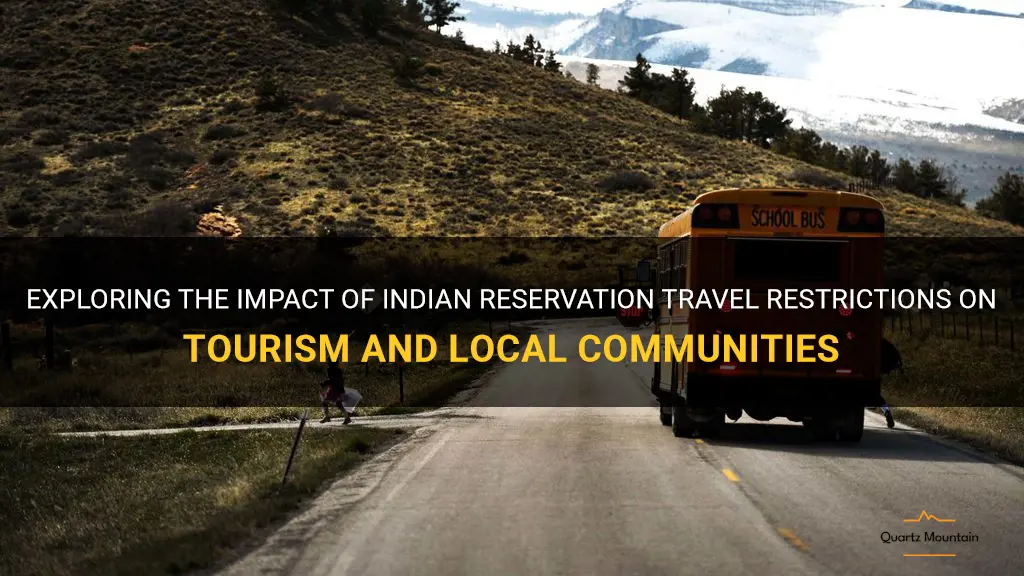

Indian Reservations, sovereign nations within the United States, represent a rich tapestry of history, culture, and natural beauty. In recent decades, these unique lands have increasingly drawn the attention of travelers seeking authentic experiences, cultural immersion, and a deeper understanding of Indigenous heritage. However, the burgeoning interest in Indigenous tourism brings with it a complex array of impacts—both profoundly positive and challenging—that shape the future of these communities.
Understanding the true impact of tourism on Indian Reservations requires a nuanced perspective, acknowledging the distinct histories, governance, and aspirations of each sovereign tribe. This comprehensive exploration delves into the economic, cultural, social, and environmental dimensions of tourism, shedding light on the opportunities and considerations inherent in this evolving sector.
A fundamental aspect of comprehending this topic is recognizing the unique status of Indian Reservations. These are not merely tourist destinations but homelands of federally recognized Native American tribes, each with its own government, laws, and cultural practices. Historically, these communities have faced significant economic and social challenges, making the potential for sustainable economic development through tourism particularly compelling.
The rise of Indigenous tourism is driven by several factors. Travelers are increasingly seeking experiences that go beyond conventional sightseeing, desiring meaningful connections, educational insights, and opportunities to support local communities directly. The desire for authentic cultural exchange and a deeper appreciation for Native American history and contemporary life fuels this growing demand.
Economic Empowerment: A Double-Edged Sword
One of the most immediate and tangible impacts of tourism on Indian Reservations is its potential for economic development. Tourism can inject much-needed capital into tribal economies, creating jobs and fostering entrepreneurship in areas that have historically struggled with high unemployment rates.
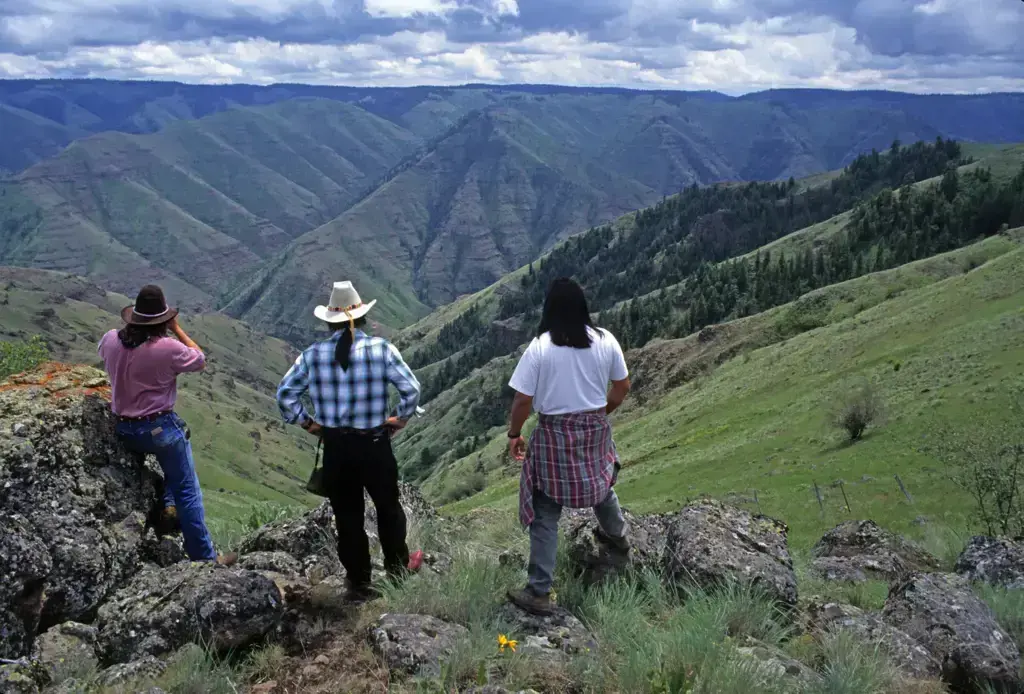

Jobs are generated across various sectors, including hospitality (hotels, resorts), food service, retail (arts and crafts), guiding services, cultural interpreters, and support roles. These employment opportunities can provide stable incomes, reduce reliance on external aid, and keep tribal members living and working within their communities.
Revenue generated from tourism often supports essential tribal services. Profits from tribally-owned enterprises, such as casinos, hotels, cultural centers, or tour operations, can be reinvested into infrastructure improvements, healthcare facilities, educational programs, and elder care services, directly benefiting the community.
Tourism can also stimulate the development of local infrastructure. Improved roads, expanded utilities, and better communication networks, often necessary to support visitor amenities, ultimately serve the residents of the reservation as well. This can lead to broader economic diversification, moving beyond traditional industries.
However, economic benefits are not without their challenges. Seasonality can lead to unstable employment, and a heavy reliance on tourism can make tribal economies vulnerable to external shocks, such as economic downturns or public health crises. Ensuring that the economic benefits truly reach tribal members and are not siphoned off by external corporations is a continuous effort.
Cultural Preservation and Revitalization
Perhaps one of the most profound impacts of Indigenous tourism is its role in cultural preservation and revitalization. By showcasing their traditions, languages, and art forms, tribes can strengthen their cultural identity and educate visitors about their heritage.
Tourism provides a platform for tribal members, particularly younger generations, to engage with and learn traditional practices. The demand for authentic cultural experiences can incentivize the teaching of traditional crafts, storytelling, dance, and language, ensuring these vital aspects of culture are passed down.
Indigenous tourism can foster a sense of pride and self-determination within the community. When tribal members are the primary storytellers and cultural interpreters, they reclaim their narratives, challenging stereotypes and promoting accurate representations of their history and contemporary lives.
Social Dynamics and Community Well-being

The influx of visitors can bring significant social changes to reservation communities. Increased interaction with outsiders can lead to cultural exchange and mutual understanding, breaking down barriers and fostering appreciation for diverse perspectives.
Tourism can empower tribal youth by providing them with career paths that connect them to their heritage, such as becoming cultural guides, artists, or entrepreneurs. It can also create opportunities for community members to share their stories and perspectives, enhancing self-esteem and collective identity.
Environmental Stewardship and Sustainable Practices
Many Indian Reservations are stewards of vast and pristine natural landscapes, making environmental impact a critical consideration. Eco-tourism and sustainable practices are increasingly integrated into tribal tourism models, aligning with Indigenous values of respect for the land.
Tourism revenue can be channeled into environmental conservation efforts, funding programs for wildlife protection, land restoration, and sustainable resource management. This provides a direct financial incentive to preserve the natural beauty and ecological integrity that often attracts visitors in the first place.
However, increased visitor numbers inevitably bring environmental challenges, such as increased waste, potential damage to fragile ecosystems from foot traffic, and greater demand for resources like water. Developing and enforcing strict environmental guidelines, promoting ‘leave no trace’ principles, and investing in sustainable infrastructure are essential.
Addressing Common Questions: People Also Ask
How does tourism affect Native American culture? Tourism can profoundly affect Native American culture by offering avenues for revitalization and preservation, creating platforms for cultural sharing, and fostering pride. However, it also carries risks of commodification, misrepresentation, and the need to balance sharing with protecting sacred traditions.
What are the benefits of tourism for Indigenous communities? Benefits include economic development through job creation and revenue generation, funding for essential services, infrastructure improvements, cultural preservation and revitalization, increased self-determination, and opportunities for positive cultural exchange.
What are the challenges of tourism in Indigenous communities? Challenges encompass potential cultural commodification, social strains from increased visitor interaction, environmental impacts, economic seasonality, and the need to maintain tribal control and authenticity in the face of commercial pressures.
How can tourists support Indigenous communities responsibly? Responsible tourists should seek out tribally-owned and operated businesses, respect cultural protocols and sacred sites, engage with an open mind, purchase authentic arts and crafts directly from artists, and educate themselves about the tribe’s history and contemporary life before visiting.
What kind of tourism is available on reservations? Tourism on reservations varies widely but often includes cultural centers and museums, guided tours (historical, ecological, spiritual), traditional arts and crafts markets, storytelling events, powwows and cultural festivals, outdoor recreation (hiking, fishing, rafting), gaming resorts, and authentic culinary experiences.
Challenges and the Path Forward: Ensuring Tribal Sovereignty
A significant challenge lies in ensuring that tourism development remains tribally controlled and benefits the community directly. This means resisting external pressures that might prioritize profit over cultural integrity or environmental stewardship.
Effective marketing and branding are crucial for attracting visitors who value authentic experiences and are willing to engage respectfully. Tribes must develop unique brand identities that reflect their distinct cultures and offerings.
Capacity building, including training tribal members in hospitality, business management, and cultural interpretation, is vital for creating sustainable, tribally-led tourism enterprises. This empowers communities to manage their own visitor experiences.
Balancing visitor access with the privacy and sacredness of certain sites is an ongoing negotiation. Many tribes have restricted access to certain areas to protect their cultural and spiritual integrity, and visitors must respect these boundaries implicitly.
Best Practices for Sustainable Indigenous Tourism
Sustainable Indigenous tourism models prioritize community well-being, cultural integrity, and environmental protection. These models often involve direct tribal ownership and management, ensuring that profits and control remain within the community.
Community-based tourism empowers local residents to shape and benefit from tourism development, fostering a sense of ownership and responsibility. This often includes homestays, local guiding services, and direct sales of artisan goods.
Educational tourism, which focuses on learning about Indigenous history, culture, and contemporary issues, offers a deeper, more respectful engagement than purely recreational travel. It encourages visitors to become advocates for Indigenous rights and understanding.
Partnerships with responsible tour operators, government agencies, and non-profit organizations can provide valuable resources and expertise, but these partnerships must always respect tribal sovereignty and leadership.
Conclusion: A Path Towards Self-Determination
The impact of tourism on Indian Reservations is undeniably complex, presenting both remarkable opportunities and significant challenges. When developed thoughtfully and responsibly, with strong tribal leadership and community involvement, tourism can be a powerful catalyst for economic self-sufficiency, cultural revitalization, and environmental stewardship.
It offers a unique avenue for Indigenous communities to share their rich heritage on their own terms, challenge misconceptions, and foster a deeper appreciation for their contributions to the world. For visitors, it provides an unparalleled opportunity for authentic cultural exchange and a chance to support sovereign nations directly.
Ultimately, the goal is to cultivate a form of tourism that honors Indigenous values, respects the land and its people, and contributes meaningfully to the long-term well-being and self-determination of Indian Reservations. By embracing responsible travel and supporting tribally-led initiatives, visitors can play a vital role in this positive transformation.


