

The term ‘Kemosabe’ is instantly recognizable to many, conjuring images of the American Old West, masked heroes, and faithful companions. It’s a phrase deeply embedded in Western pop culture, often used casually to address a friend or partner. Yet, despite its widespread recognition, the true meaning, origin, and cultural implications of ‘Kemosabe’ are frequently misunderstood, sparking debates and curiosity.
This comprehensive article will delve into the fascinating journey of ‘Kemosabe,’ tracing its roots, exploring its intended and perceived meanings, and examining its enduring legacy in Western culture. We’ll uncover the etymological theories, discuss its impact, and address the nuances of its usage in contemporary society.
The Genesis of ‘Kemosabe’: The Lone Ranger and Tonto
To understand ‘Kemosabe,’ one must first look to its undeniable source: the classic American Western radio and television series, The Lone Ranger. The character of Tonto, the Lone Ranger’s loyal Native American companion, famously used the term to address his masked friend. This iconic duo, who first appeared on radio in 1933, became a cornerstone of American folklore, and with them, ‘Kemosabe’ entered the public consciousness.
The Lone Ranger, a Texas Ranger who was the sole survivor of an ambush, dedicated his life to fighting injustice with his silver bullets and trusty horse, Silver. Tonto, often portrayed as a wise and resourceful Potawatomi or Comanche warrior, was his steadfast ally, whose iconic line ‘Kemosabe’ became a catchphrase.
What Did ‘Kemosabe’ Originally Mean? The Intended Interpretation
According to Fran Striker, the original writer of The Lone Ranger, and the show’s creators, the term ‘Kemosabe’ was intended to mean ‘faithful scout’ or ‘trusty friend.’ This interpretation aligns perfectly with Tonto’s role as the Lone Ranger’s companion and guide, often helping him navigate the wilderness and solve mysteries. It was meant to symbolize a bond of deep trust and camaraderie between the two characters.
The creators reportedly drew inspiration from a boys’ camp located on a lake called ‘Kemosa-bee’ in Michigan, where the camp director’s father-in-law had a cabin. This camp, situated on Mullett Lake, was known for its ‘Chief’ or ‘Kemosabe’ who was a ‘faithful scout.’ This anecdote suggests a deliberate choice to imbue the word with a positive, fraternal connotation.
The Debated Etymology: More Than One Theory
- Ojibwe/Potawatomi Connection: One prominent theory suggests it derives from the Ojibwe (Anishinaabemowin) word Gii-moo-zaabi, which means ‘he looks with a peek’ or ‘he who looks out in secret.’ This could refer to Tonto’s role as a scout or the Lone Ranger’s masked identity.
- Kemosa-bee Camp: As mentioned, the camp on Mullett Lake in Michigan, ‘Kemosa-bee,’ is often cited. The name itself might have been a localized, perhaps Anglicized, version of a Native American term.
- ‘Sabe’ as a Suffix: Some speculate that ‘sabe’ could be related to words like ‘sah-be’ or ‘zhabe,’ which in some Algonquian languages can refer to a giant, a spirit, or even a ‘bigfoot’ type creature. This connection is less direct but adds to the mystique.
- Pure Invention: Another perspective suggests that ‘Kemosabe’ might have been largely an invention by the writers, perhaps loosely inspired by Native American-sounding syllables, rather than a direct translation of an existing word.
Regardless of its precise etymological purity, the creators’ intent was to convey respect and friendship, and that is how it was largely received by audiences for decades.
‘Kemosabe’ in Popular Culture: From Radio to Everyday Lexicon
The enduring popularity of The Lone Ranger ensured that ‘Kemosabe’ transcended its fictional origins and became a common term in American English. It moved beyond the radio waves and television screens, entering everyday conversations, often used informally among friends.
Its usage typically carries a lighthearted, slightly old-fashioned, and often affectionate tone. It implies a shared history or a close bond, much like ‘pal’ or ‘buddy,’ but with a distinct flavor of the American frontier.
The Good, The Bad, and The Misunderstood: Connotations and Criticisms
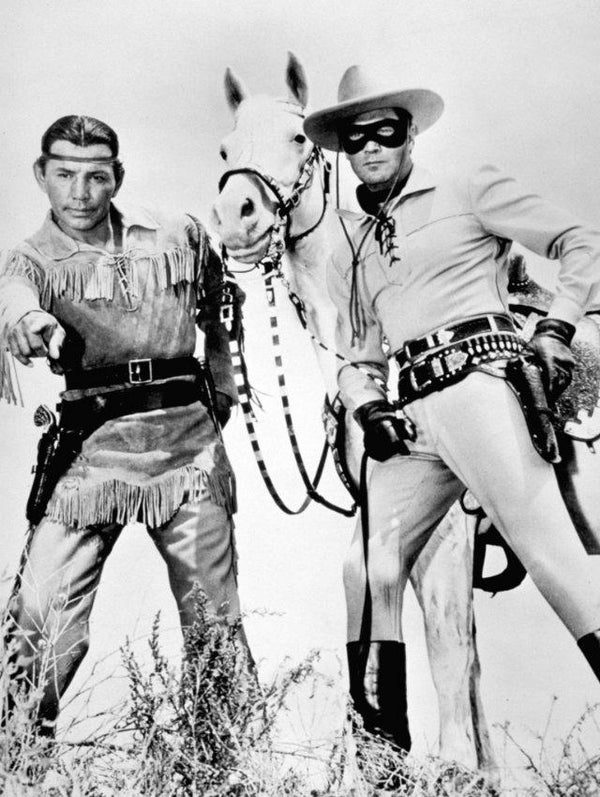

For many, ‘Kemosabe’ remains a nostalgic term, a harmless echo of childhood adventures. It represents a simpler time in storytelling, where heroes were clear-cut and friendships were steadfast. However, as cultural sensitivities have evolved, so has the scrutiny of terms derived from or associated with Native American cultures.
Some critics argue that ‘Kemosabe,’ despite its positive intent, is part of a broader pattern of misrepresentation and appropriation of Native American culture in popular media. Tonto himself, while often portrayed heroically, was also a product of his time, sometimes depicted with stereotypes that are now considered problematic.
The casual use of a term believed to be Native American, even if intended affectionately, can sometimes be seen as trivializing or exoticizing indigenous languages and cultures, especially if its true meaning or origin is unknown to the speaker.
Cultural Sensitivity and Modern Usage: Navigating the Nuances
In contemporary society, understanding the context and potential implications of language is crucial. While ‘Kemosabe’ might be used innocently by many, it’s worth considering the perspectives of those who view it differently.
For some Native Americans, terms like ‘Kemosabe,’ when used by non-Natives without proper understanding or respect, can feel like a caricature of their heritage. It’s a reminder of a historical period where Native cultures were often simplified and commodified for entertainment.
Therefore, while ‘Kemosabe’ isn’t universally considered an offensive slur, its use warrants a degree of awareness. It’s often best reserved for contexts where its affectionate, nostalgic intent is clearly understood and appreciated, or perhaps used with caution in professional or formal settings.
Kemosabe Beyond the Western: Its Occasional Appearance
While primarily rooted in the Western genre, ‘Kemosabe’ has occasionally appeared in other forms of media and popular culture, often as a knowing nod to its origins. It might be used ironically, or to quickly establish a character’s old-fashioned or folksy demeanor.
Its presence in various media underscores its deep entrenchment in the collective consciousness, demonstrating how a single word from a fictional narrative can permeate and influence broader linguistic and cultural landscapes.
Is ‘Kemosabe’ an Insult or Offensive Term?
Generally, no. ‘Kemosabe’ was created with the intention of being a term of endearment and respect (‘faithful scout’ or ‘trusty friend’). It is not inherently a pejorative or insulting word. However, as discussed, its association with stereotypical portrayals of Native Americans and its often-misunderstood origin can make its casual use problematic for some, particularly within Native American communities. Context and intent are key.
The Legacy of a Word: A Reflection of American Storytelling
The journey of ‘Kemosabe’ is a microcosm of American cultural storytelling. It reflects the nation’s fascination with the frontier, its heroes, and its complex relationship with indigenous peoples. The word itself, regardless of its precise etymology, has become synonymous with loyalty, adventure, and a particular brand of Americana.
It serves as a linguistic artifact, a reminder of how popular media can shape language and how language, in turn, can carry layers of meaning, history, and cultural baggage. ‘Kemosabe’ is more than just a word; it’s a cultural touchstone that invites us to reflect on our past and consider our present linguistic choices.
Conclusion: A Term of Endearment, Examined Through a Modern Lens
In conclusion, ‘Kemosabe’ originated as a term of profound respect and friendship between Tonto and The Lone Ranger, intended to mean ‘faithful scout’ or ‘trusty friend.’ Its precise etymology remains debated, with strong ties to Algonquian languages and a specific Michigan boys’ camp.
Over decades, it cemented its place in Western culture as an affectionate informal address. While largely benign in intent, modern cultural awareness calls for a nuanced understanding of its origins and potential implications, especially regarding Native American representation. Ultimately, ‘Kemosabe’ endures as a powerful, albeit complex, symbol of camaraderie and a significant artifact of American popular culture.


