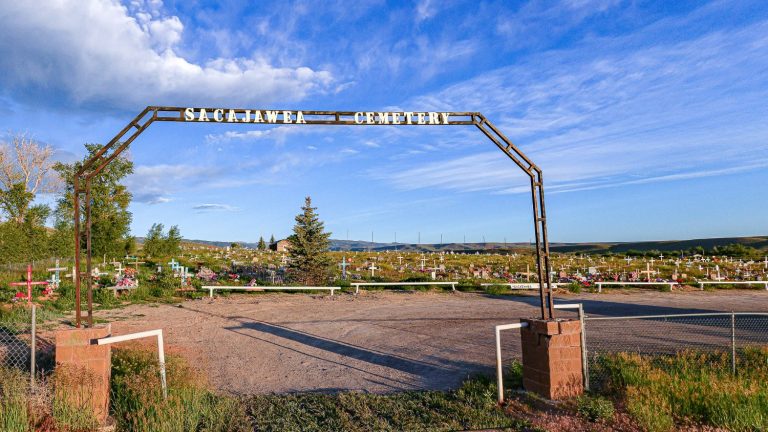

Visiting Indian Reservations offers a unique opportunity to immerse yourself in Native American culture, history, and natural beauty. These sovereign nations provide a glimpse into traditions that have been preserved for centuries, offering experiences that are both educational and deeply enriching. When planning a visit, it’s essential to remember that you are a guest, and respecting local customs and regulations is paramount. This guide will explore some of the incredible things you can do on Indian Reservations, while emphasizing responsible and respectful travel.
Understanding Indian Reservations
Before delving into specific activities, it’s crucial to understand what Indian Reservations are. These are areas of land reserved for Native American tribes through treaties with the U.S. government. Each reservation is governed by its own tribal government, and they have distinct laws, customs, and cultures. When visiting, be aware of these differences and always seek permission before engaging in activities or entering private property.
Planning Your Visit: Essential Considerations
Respect is key. Always ask permission before taking photographs, especially of people or sacred sites. Dress modestly and avoid loud or disruptive behavior. Many reservations have specific rules regarding alcohol and firearms, so familiarize yourself with these regulations beforehand. Support local businesses by purchasing Native American crafts and goods directly from artisans. Lastly, be open to learning and engaging with the local community.
Exploring Historical and Cultural Sites


Mesa Verde National Park (Ancestral Puebloan): Although technically a National Park, Mesa Verde preserves the remarkable cliff dwellings of the Ancestral Puebloans, offering a glimpse into their sophisticated society.
Canyon de Chelly National Monument (Navajo Nation): Explore stunning canyons with ancient ruins and learn about the history and culture of the Navajo people who still reside there.
Little Bighorn Battlefield National Monument (Crow and Cheyenne): This site commemorates the Battle of Little Bighorn, offering perspectives from both the U.S. Army and Native American warriors.
Attending Pow Wows and Cultural Events
Pow wows are vibrant celebrations of Native American culture, featuring traditional music, dance, and regalia. These events are often open to the public and offer a fantastic opportunity to witness and learn about Native American traditions. Check the tribal calendar for pow wows and other cultural events during your visit. Remember to be respectful during the ceremonies and follow any guidelines provided by the organizers.
Experiencing Outdoor Adventures
Grand Canyon (Hualapai and Navajo Nations): Several tribes offer guided tours and access to unique viewpoints of the Grand Canyon.
White Mountain Apache Tribe (Arizona): This tribe offers exceptional hunting, fishing, and camping experiences in the beautiful White Mountains.
Flathead Indian Reservation (Montana): Enjoy stunning scenery, fishing, and boating on Flathead Lake and explore the Mission Mountains.
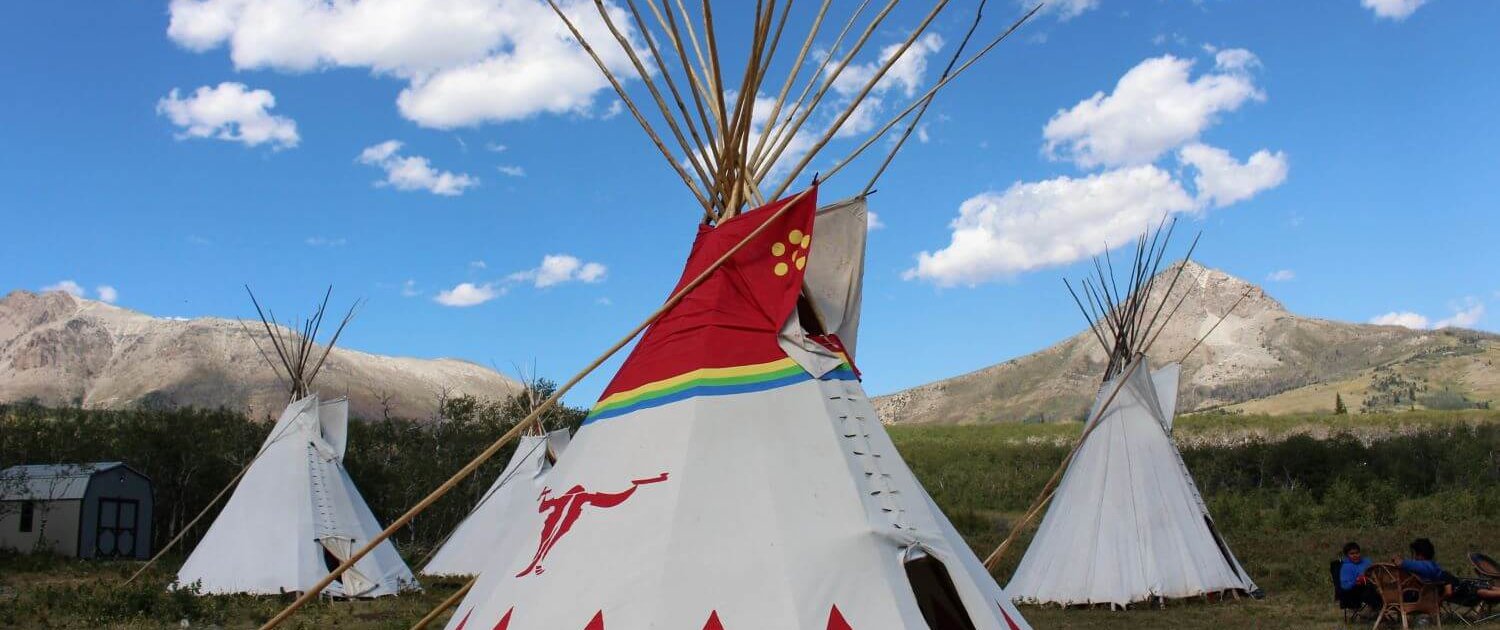

Supporting Native American Arts and Crafts
Purchasing Native American arts and crafts is a great way to support local artisans and preserve traditional skills. Look for authentic items made by tribal members, such as pottery, jewelry, baskets, and textiles. Be wary of imitations and purchase directly from artists or reputable trading posts to ensure authenticity and fair prices.
Immersing Yourself in Native American Cuisine
Sampling traditional Native American cuisine is another way to experience the local culture. Many reservations have restaurants and food vendors that serve dishes made with traditional ingredients and cooking methods. Try frybread, Indian tacos, and other regional specialties. Be open to trying new flavors and learning about the cultural significance of the food.
Engaging in Educational Programs and Tours
Many reservations offer educational programs and guided tours that provide deeper insights into Native American history, culture, and contemporary issues. These programs are often led by tribal members and offer firsthand perspectives on the challenges and opportunities facing Native American communities.
Respecting Sacred Sites and Traditions
Sacred sites are an integral part of Native American culture, and it’s essential to treat them with respect. Always ask permission before visiting a sacred site and follow any guidelines provided by the local community. Avoid touching or disturbing any artifacts or natural features. Be mindful of your behavior and avoid loud or disruptive activities.
Understanding Tribal Sovereignty
Tribal sovereignty is the inherent authority of Indian tribes to govern themselves within the borders of the United States. This means that each tribe has its own government, laws, and customs. When visiting an Indian Reservation, it’s essential to respect tribal sovereignty and abide by local regulations. Be aware that tribal laws may differ from state or federal laws, and it’s your responsibility to understand and comply with them.
Learning About Contemporary Issues
Native American communities face a variety of contemporary issues, including poverty, unemployment, and access to healthcare and education. Take the time to learn about these challenges and support organizations that are working to address them. Be an advocate for Native American rights and help raise awareness about the issues facing these communities.
Responsible Photography Practices
Photography can be a powerful tool for documenting your experiences, but it’s essential to be respectful when taking photos on Indian Reservations. Always ask permission before photographing people, especially during ceremonies or religious events. Be mindful of cultural sensitivities and avoid taking photos that could be considered disrespectful or intrusive. Share your photos responsibly and use them to promote understanding and appreciation of Native American culture.
Supporting Native American Businesses
Supporting Native American businesses is a great way to contribute to the economic development of these communities. Look for Native American-owned businesses when shopping for souvenirs, dining out, or booking accommodations. By supporting these businesses, you are helping to create jobs and opportunities for Native American people.
Volunteering Opportunities
Consider volunteering your time and skills to support Native American communities. Many organizations offer volunteer opportunities in areas such as education, healthcare, and environmental conservation. Volunteering can be a rewarding way to give back to the community and learn about Native American culture firsthand.
Interacting with Tribal Members Respectfully
When interacting with tribal members, be respectful and open-minded. Listen to their stories and perspectives, and avoid making assumptions or stereotypes. Be aware of cultural differences and be willing to learn from others. Build relationships based on mutual respect and understanding.
Respecting the Environment
Many Indian Reservations are located in areas of great natural beauty, and it’s essential to protect the environment during your visit. Follow Leave No Trace principles, such as packing out all trash, staying on marked trails, and avoiding disturbing wildlife. Respect the land and its resources, and help preserve it for future generations.
Responsible Consumption of Alcohol and Other Substances
Many Indian Reservations have strict rules regarding alcohol and other substances, and it’s essential to abide by these regulations. Be aware of local laws and avoid consuming alcohol in public places where it is prohibited. If you choose to consume alcohol, do so responsibly and avoid driving under the influence. Respect the cultural sensitivities surrounding alcohol and other substances.
Staying Informed About Current Events
Stay informed about current events and issues affecting Native American communities. Read news articles, follow Native American organizations on social media, and attend public forums to learn about the challenges and opportunities facing these communities. Be an advocate for Native American rights and help raise awareness about the issues that matter to them.
Conclusion: A Journey of Respect and Discovery
Visiting Indian Reservations offers a unique opportunity to learn about Native American culture, history, and contemporary issues. By traveling responsibly and respectfully, you can contribute to the well-being of these communities and create meaningful experiences for yourself. Remember to ask permission, respect sacred sites, support local businesses, and be open to learning from others. Embrace the opportunity to discover the rich cultural heritage of Native American people and build lasting relationships based on mutual respect and understanding.
By following these guidelines, you can ensure that your visit to an Indian Reservation is both enriching and respectful, leaving a positive impact on both you and the community.
Frequently Asked Questions (FAQs)
Q: What is the proper etiquette when visiting a Native American reservation?
A: Always ask permission before taking photos, especially of people or sacred sites. Dress modestly and avoid loud or disruptive behavior. Respect local customs and regulations regarding alcohol and firearms. Support local businesses by purchasing Native American crafts and goods directly from artisans.
Q: Are Indian reservations open to the public?
A: Many Indian reservations are open to the public, but it’s important to check the specific regulations of each reservation before visiting. Some reservations may require permits or have restricted areas.
Q: Can I camp on an Indian reservation?
A: Some Indian reservations offer camping facilities, while others do not. Check with the tribal government or tourism office for information on camping opportunities.
Q: How can I support Native American communities?
A: Support Native American communities by purchasing Native American arts and crafts, dining at Native American-owned restaurants, and donating to Native American organizations. You can also advocate for Native American rights and raise awareness about the issues facing these communities.
Q: What are some common cultural activities I can participate in?
A: Attend pow wows, visit museums and cultural centers, participate in guided tours led by tribal members, and sample traditional Native American cuisine. Be respectful and open to learning about Native American culture.
Q: What should I do if I accidentally offend someone?
A: If you accidentally offend someone, apologize sincerely and ask how you can make amends. Be open to learning from your mistake and avoid repeating it in the future.


