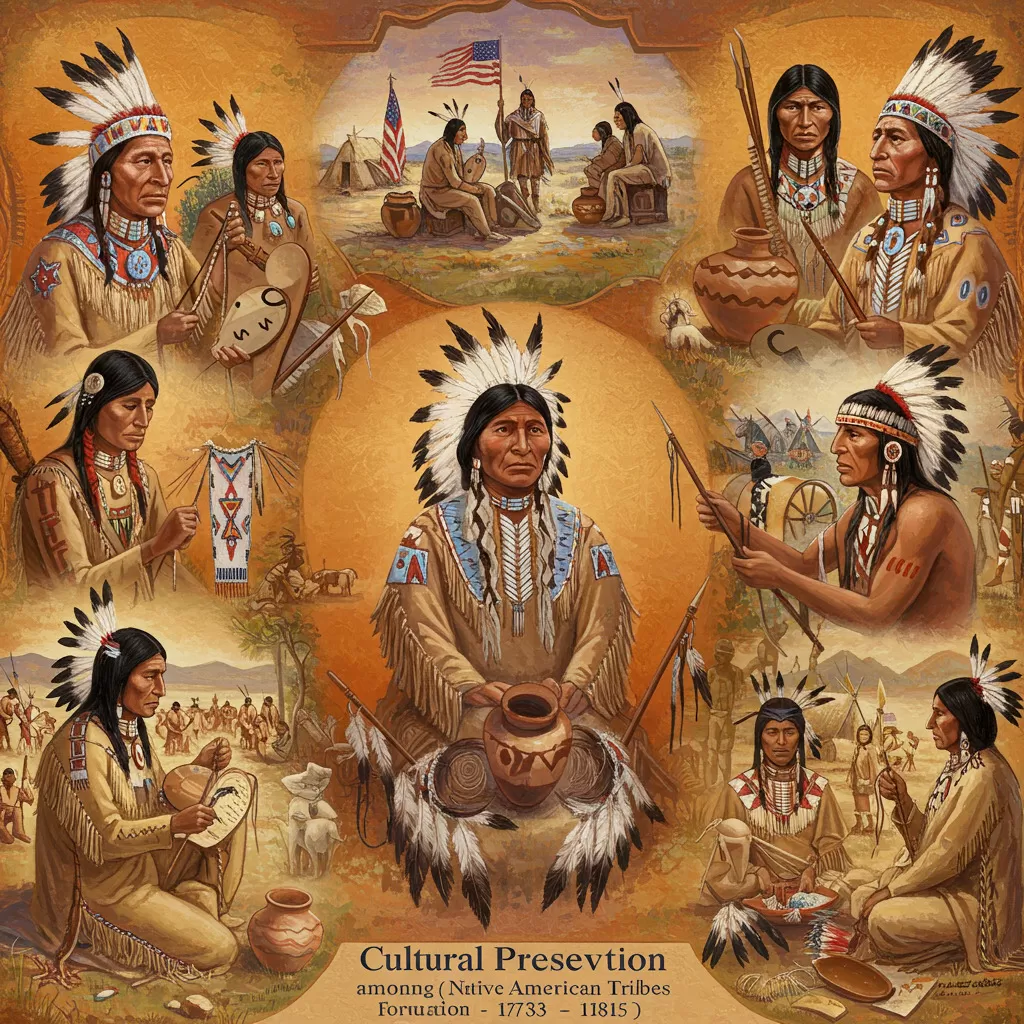

Indigenous cultures across the globe represent a rich tapestry of human knowledge, traditions, and resilience. On reservations, these cultures find a critical stronghold, serving as vibrant centers for the continuity and revitalization of unique ways of life that have endured for millennia despite immense historical pressures. Understanding and supporting the preservation of Indigenous culture on reservations is not merely an act of respect; it is crucial for global cultural diversity and the recognition of invaluable ecological, social, and spiritual wisdom.
For countless Indigenous nations, reservations are more than just geographical territories; they are homelands, spiritual centers, and the last bastions where self-determination can be exercised to protect and promote their distinct identities. These communities are actively engaged in profound efforts to reclaim, sustain, and evolve their heritage, ensuring that the voices, stories, and practices of their ancestors continue to thrive.
The journey of cultural preservation for Indigenous peoples is deeply intertwined with a complex history of colonization, forced assimilation policies, and the profound impacts of intergenerational trauma. From the establishment of residential schools aimed at eradicating Native languages and spiritual practices to the systematic dismantling of traditional governance, Indigenous communities have faced relentless assaults on their cultural fabric.
Despite these historical adversities, the spirit of Indigenous peoples remains unbroken. Reservations, often viewed externally as isolated or disadvantaged, are in fact dynamic hubs of cultural resurgence, where tribal nations are actively rebuilding and strengthening their foundations through self-governance and community-led initiatives.
Why is cultural preservation so profoundly important? It is fundamental to individual and collective identity, fostering a strong sense of belonging, purpose, and well-being. Furthermore, Indigenous cultures offer unique perspectives on environmental stewardship, sustainable living, and community harmony that are increasingly relevant in our modern world.
A cornerstone of Indigenous cultural preservation is the revitalization of ancestral languages. Languages are not merely tools for communication; they are intricate vessels carrying entire worldviews, complex knowledge systems, spiritual concepts, and historical narratives unique to each nation. The loss of a language is often equated with the loss of a significant portion of cultural identity.


Many Indigenous languages face critical endangerment, with only a handful of fluent elder speakers remaining. Decades of forced English-only education and the pervasive influence of mainstream media have significantly diminished the number of younger speakers. This reality underscores the urgency of current revitalization efforts.
Tribal communities are employing innovative strategies to bring their languages back from the brink. These include the establishment of language immersion schools where children learn core subjects entirely in their ancestral tongue, creating fluent speakers from a young age. Adult language classes, online dictionaries, mobile apps, and media productions are also playing crucial roles.
Examples like the Navajo Nation’s robust language programs or the successful revitalization of the Hawaiian language through Pūnana Leo schools demonstrate that with dedicated community effort and resources, endangered languages can indeed experience a powerful resurgence. These initiatives require significant investment in curriculum development, teacher training, and community engagement.
Beyond spoken words, traditional arts, crafts, and storytelling are vital conduits for cultural transmission. These practices are not just aesthetic expressions; they are living histories, embodying generations of knowledge, skill, and spiritual connection. Beadwork, pottery, weaving, carving, drumming, and traditional songs each tell a story and carry specific cultural meanings.
Preserving these artistic heritages involves teaching traditional techniques to younger generations, ensuring that the intricate skills and cultural protocols are not lost. Workshops, apprenticeships with elders, and cultural centers on reservations provide critical spaces for this intergenerational learning to occur.
Furthermore, supporting Indigenous artists and artisans through ethical marketplaces and cultural tourism initiatives can provide economic empowerment, allowing communities to sustain their cultural practices without exploitation. This ensures that the creation of cultural items remains a source of pride and livelihood.
Oral traditions, including myths, legends, historical accounts, and moral teachings, serve as living libraries. Storytelling is a powerful pedagogical tool, transmitting values, laws, and wisdom across generations. Preserving these narratives involves documenting them (with community consent) and creating platforms for elders to share them with youth.
Sacred ceremonies and spiritual practices are at the heart of many Indigenous cultures, providing a deep connection to the land, ancestors, and the spiritual world. These practices often involve specific rituals, songs, dances, and gatherings that reinforce community bonds and cultural identity.
The protection of sacred sites, often located both on and off reservation lands, is an ongoing struggle. These sites are integral to spiritual practices and cultural memory, yet they frequently face threats from development, resource extraction, and lack of recognition. Tribal nations continue to advocate for their protection and rightful access.
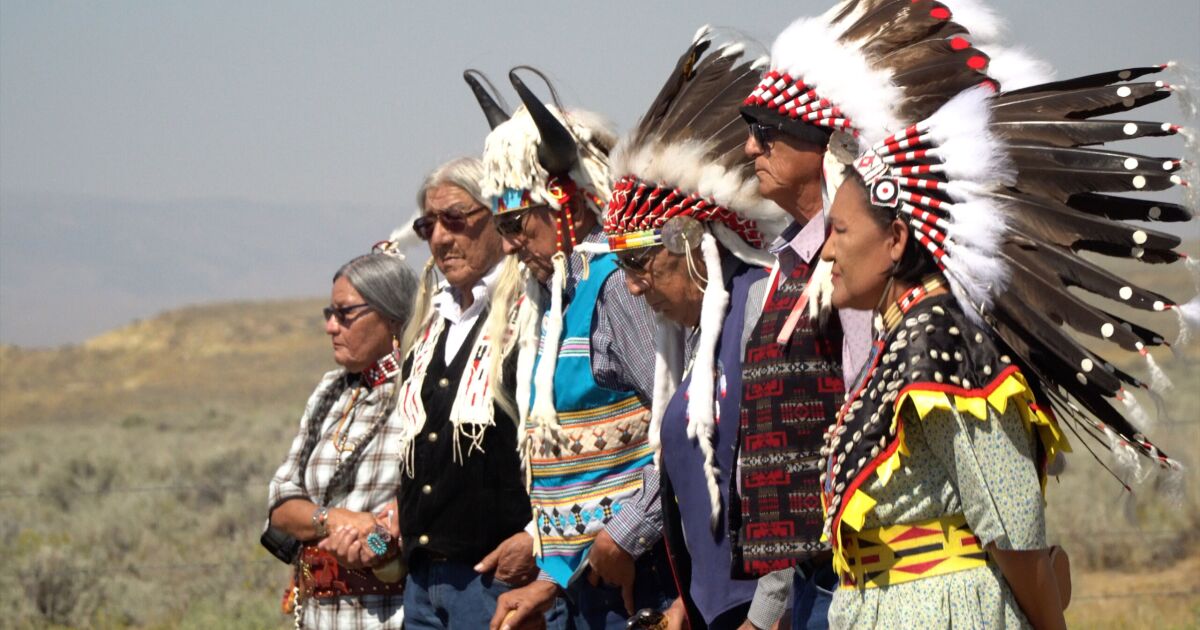

Elders and knowledge keepers play an irreplaceable role as guardians of these spiritual traditions. Their guidance is essential in ensuring that ceremonies are performed correctly, protocols are respected, and the profound meanings behind these practices are understood by future generations.
Culturally relevant education is paramount for Indigenous youth. This involves developing curricula that integrate traditional knowledge, history, and language alongside standard academic subjects. Such an approach fosters academic success while strengthening cultural identity and pride.
Engaging youth is critical, as they are the future bearers of cultural knowledge. Programs that connect young people with elders through mentorship, traditional skills workshops, and leadership development initiatives help bridge generational gaps and instill a sense of responsibility for cultural continuity.
Many tribal nations are establishing their own schools and cultural centers, which offer immersive learning environments where children can learn their history from an Indigenous perspective, speak their language, and participate in cultural activities. This self-determination in education is a powerful tool for decolonization.
Traditional Ecological Knowledge (TEK) represents a holistic understanding of the natural world, developed over thousands of years through direct observation and sustained interaction with specific environments. This knowledge is invaluable for sustainable land stewardship, resource management, and understanding biodiversity.
On reservations, Indigenous communities are revitalizing traditional food systems, combating food deserts and health disparities. This involves restoring ancestral agricultural practices, foraging for traditional plants, and hunting practices, which not only provide healthy food but also reinforce cultural connections to the land.
As the world grapples with climate change, TEK offers crucial insights and adaptive strategies. Indigenous communities, often on the front lines of environmental impacts, are leading efforts in conservation, ecological restoration, and developing climate resilience plans rooted in their deep understanding of local ecosystems.
The legacy of colonialism, including forced removals, residential schools, and systemic discrimination, has left deep wounds, manifesting as intergenerational trauma within Indigenous communities. This trauma can impact mental, emotional, and physical health, affecting multiple generations.
Cultural practices offer powerful pathways to healing. Participation in ceremonies, language learning, traditional arts, and community gatherings can help individuals and communities process trauma, reclaim their identity, and build resilience. Reconnecting with cultural roots is a form of spiritual and psychological healing.
Many tribal health initiatives are integrating traditional healing practices and cultural activities into mental health and wellness programs, recognizing that a holistic approach rooted in cultural identity is often more effective for Indigenous peoples.
Sustainable economic development that respects and supports cultural integrity is vital for thriving reservations. This means developing tribal enterprises that align with community values, create local jobs, and reinvest profits back into the community, often supporting cultural programs.
Tribal sovereignty allows nations to make their own decisions regarding economic development, ensuring that growth benefits their people and does not compromise their cultural heritage or sacred lands. Examples include tribally owned businesses, renewable energy projects, and cultural tourism initiatives managed by the community.
Securing funding for cultural initiatives is an ongoing challenge. Tribal governments, federal grants, philanthropic organizations, and partnerships with non-profits are all crucial sources of support for language programs, cultural centers, youth engagement, and historical preservation projects.
Non-Indigenous allies have a crucial role to play in supporting cultural preservation efforts. This involves respectful engagement, listening to Indigenous voices, and amplifying their concerns and initiatives without appropriating or speaking for them.
Supporting tribal sovereignty means advocating for Indigenous self-governance and the recognition of treaty rights. It also involves educating oneself and others about Indigenous histories and contemporary issues, challenging stereotypes, and promoting accurate representations.
For those interested in visiting Indigenous communities, ethical cultural tourism is paramount. This means choosing tour operators and experiences that are tribally owned or directly benefit the community, respecting cultural protocols, and seeking permission before photographing people or sacred sites.
Ultimately, the preservation of Indigenous culture on reservations is a testament to the enduring strength, adaptability, and profound wisdom of Native American nations. It is a continuous, dynamic process driven by self-determination and community resilience.
The efforts to revitalize languages, sustain traditional arts, protect sacred sites, and educate future generations are not just about looking to the past; they are about building a vibrant, self-sufficient, and culturally rich future for Indigenous peoples.
By understanding the challenges and celebrating the successes, we can collectively support Indigenous communities in their vital work of safeguarding a heritage that enriches not only their own nations but also the entire global community.
The journey of cultural preservation is ongoing, requiring sustained commitment, respect, and collaboration from within and beyond reservation borders to ensure these invaluable cultures continue to thrive for generations to come.


