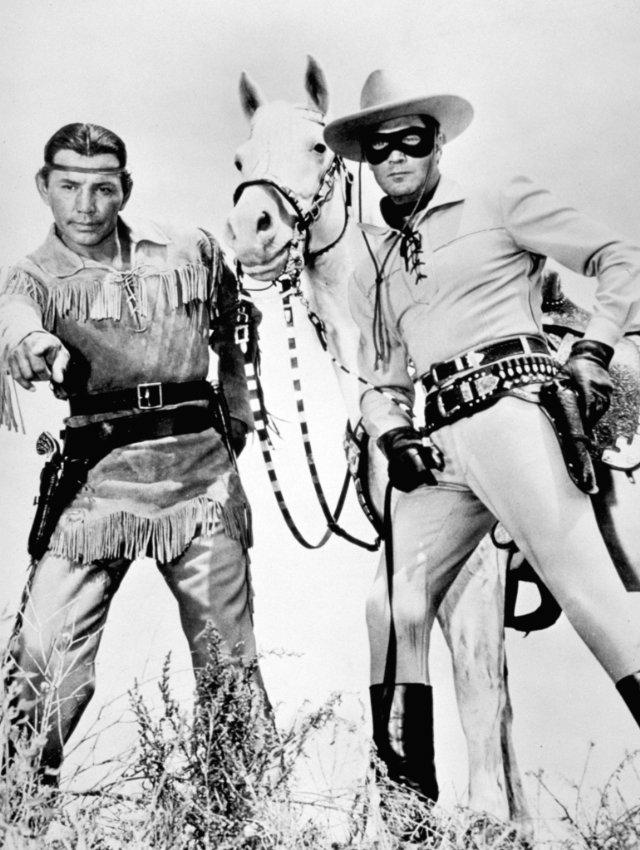
The term ‘Kemosabe’ is widely recognized thanks to its prominent use in the classic radio and television series, The Lone Ranger. For many, it evokes images of the masked hero and his trusted Native American companion, Tonto, riding across the Old West, fighting injustice. However, the true story behind this iconic word is more complex and nuanced than one might expect. This article delves into the origins of ‘Kemosabe,’ its potential meanings, and the cultural implications associated with its use.
While ‘Kemosabe’ is most famously associated with the Lone Ranger and Tonto, its etymological roots are debated. The popular understanding is that it means ‘trusty scout’ or ‘faithful friend.’ However, linguistic analysis and research into Native American languages suggest a more complicated picture. The term’s origin and meaning have been subject to much scrutiny, with various theories and interpretations emerging over the years.
One of the most prevalent theories traces the word back to the Ojibwe language. According to this explanation, ‘Kemosabe’ supposedly derives from ‘gimoozaabi,’ which roughly translates to ‘he looks out in secret.’ This interpretation aligns with Tonto’s role as the Lone Ranger’s observant and discreet companion. However, some linguists dispute this origin, citing a lack of concrete evidence and the geographical distance between the Ojibwe people and the setting of The Lone Ranger.
Another proposed origin links ‘Kemosabe’ to the Potawatomi language. In this context, the word is said to mean ‘soggy shrub’ or ‘moss.’ This less-than-heroic interpretation has led some to believe that the term was either a misunderstanding or a deliberate fabrication. It’s important to remember that the writers of The Lone Ranger were not necessarily experts in Native American languages, and inaccuracies could easily have occurred.
Adding to the confusion, there’s also the possibility that ‘Kemosabe’ was simply invented for the show. Fran Striker, the writer credited with creating The Lone Ranger, may have coined the term without any specific linguistic basis. This wouldn’t be entirely unusual in the context of early radio and television, where authenticity wasn’t always a primary concern. The focus was often on creating memorable characters and engaging storylines.
The ambiguity surrounding the origin of ‘Kemosabe’ raises important questions about cultural representation and appropriation. The Lone Ranger, while a popular and entertaining series, has been criticized for its stereotypical portrayal of Native Americans. Tonto, though a loyal companion, often conformed to reductive tropes common in Westerns of the time. The use of a potentially fabricated or misunderstood word like ‘Kemosabe’ further complicates this issue.

Over the years, ‘Kemosabe’ has become deeply ingrained in popular culture. It’s been used in countless movies, television shows, and books, often as a shorthand for camaraderie or a nostalgic reference to The Lone Ranger. However, its continued use also raises questions about sensitivity and cultural awareness. Is it appropriate to use a word with such contested origins, especially when it’s associated with potentially problematic representations of Native Americans?
Many Native American voices have weighed in on the use of ‘Kemosabe,’ expressing a range of opinions. Some view it as a harmless term that has simply become a part of American folklore. Others see it as a reminder of the historical misrepresentation and marginalization of Native peoples. Understanding these different perspectives is crucial for engaging in a respectful and informed discussion about the term’s cultural impact.
People Also Ask: What does Kemosabe mean in English?
While the precise meaning is debated, the most popular interpretation is ‘trusty scout’ or ‘faithful friend.’ However, its true origin is uncertain, with potential links to Ojibwe and Potawatomi languages.
People Also Ask: Is Kemosabe a real Native American word?
The authenticity of ‘Kemosabe’ as a genuine Native American word is questionable. While some claim it derives from Ojibwe or Potawatomi, linguistic evidence is inconclusive, and it may have been invented for The Lone Ranger.
People Also Ask: Why did Tonto call the Lone Ranger Kemosabe?
Within the context of The Lone Ranger, Tonto used ‘Kemosabe’ as a term of endearment and respect for the Lone Ranger, signifying their bond of friendship and loyalty.
The controversy surrounding ‘Kemosabe’ highlights the importance of responsible cultural representation in media. Fictional portrayals can have a significant impact on how people perceive different cultures, and it’s crucial to avoid perpetuating stereotypes or misrepresenting historical facts. By critically examining the origins and implications of terms like ‘Kemosabe,’ we can foster a more nuanced and respectful understanding of cultural heritage.
The legacy of The Lone Ranger and the term ‘Kemosabe’ continues to be debated and re-evaluated. As society becomes more aware of cultural sensitivities, it’s essential to engage in open and honest conversations about the impact of historical representations. While the show may hold nostalgic value for some, it’s important to acknowledge its potential to perpetuate harmful stereotypes and misrepresent Native American cultures.
In recent years, there have been attempts to reimagine The Lone Ranger in a more culturally sensitive way. These efforts have focused on providing more nuanced portrayals of Native American characters and addressing the historical injustices faced by Native peoples. However, these attempts have often been met with mixed reactions, highlighting the challenges of reconciling the show’s legacy with contemporary values.
The story of ‘Kemosabe’ serves as a reminder of the power of language and its ability to shape perceptions. Words can carry deep cultural significance, and it’s important to be mindful of their origins and potential impact. By researching and understanding the history behind seemingly simple terms, we can gain a greater appreciation for the complexities of cultural exchange and representation.

Ultimately, the true story behind ‘Kemosabe’ remains shrouded in mystery. While various theories and interpretations exist, there’s no definitive answer to its origin or meaning. What is clear, however, is that the term has become a significant part of American popular culture, and its use continues to spark debate and discussion.
As we move forward, it’s crucial to approach discussions about ‘Kemosabe’ and The Lone Ranger with sensitivity and respect. By acknowledging the diverse perspectives and experiences of Native American peoples, we can foster a more inclusive and equitable understanding of history and culture. The goal should be to learn from the past and create more accurate and respectful representations in the future.
The term ‘Kemosabe’ and its associated narratives offer valuable insights into the complexities of cultural exchange, representation, and the ongoing need for critical reflection on historical narratives. By understanding the debates and controversies surrounding this seemingly simple word, we can gain a deeper appreciation for the importance of cultural sensitivity and accurate storytelling.
While the exact origin and meaning of ‘Kemosabe’ may never be definitively known, its story serves as a powerful reminder of the importance of cultural awareness and responsible representation in media. By engaging in open and honest conversations about the term’s legacy, we can contribute to a more inclusive and equitable understanding of history and culture.
In conclusion, the real story behind ‘Kemosabe’ is one of ambiguity, cultural appropriation, and the enduring power of popular culture. While the term may evoke fond memories for some, it’s essential to acknowledge its problematic origins and the potential for misrepresentation. By engaging in critical reflection and respectful dialogue, we can strive to create a more nuanced and informed understanding of cultural heritage.
- The origin and meaning of ‘Kemosabe’ are debated, with potential links to Ojibwe and Potawatomi languages, as well as the possibility of being invented for The Lone Ranger.
- The term has become deeply ingrained in popular culture but is associated with potentially problematic representations of Native Americans.
- It’s crucial to approach discussions about ‘Kemosabe’ and The Lone Ranger with sensitivity and respect, acknowledging the diverse perspectives of Native American peoples.
- Responsible cultural representation in media is essential for avoiding stereotypes and promoting a more nuanced understanding of cultural heritage.


