

The Inupiat people, native to the Arctic regions of Alaska, have a rich culinary heritage deeply intertwined with their environment. For centuries, they have thrived on a diet sourced from the land and sea, developing unique and sustainable food practices. This article explores the fascinating world of Inupiat traditional food recipes, offering a glimpse into their culture and resilience. Understanding Inupiat cuisine provides insights into their profound connection with nature and their ingenious methods of survival in a challenging climate. We’ll cover the key ingredients, preparation techniques, and the cultural significance of these time-honored foods. By the end, you’ll have a deeper appreciation for the Inupiat way of life and the delicious, nutritious meals that have sustained them for generations.
What is Inupiat Traditional Food? Inupiat traditional food, also known as ‘country food,’ refers to the diet of the Inupiat people, which primarily consists of animals and plants harvested from their local environment. This includes marine mammals like whales, seals, and walruses; land animals such as caribou, moose, and birds; fish from rivers and the ocean; and various berries and plants. The Inupiat diet is dictated by the seasons and the availability of resources, reflecting their intimate knowledge of the Arctic ecosystem. This food is not merely sustenance; it is integral to their cultural identity, social structure, and spiritual beliefs. Sharing country food is a common practice that reinforces community bonds and passes down traditional knowledge.
Marine Mammals: Whales, seals, and walruses are crucial sources of protein and fat. Every part of the animal is utilized, minimizing waste. Maktak (whale skin and blubber) is a particularly prized delicacy.
Land Animals: Caribou and moose provide lean meat, which is often dried or preserved for later use. These animals are vital for survival during the harsh winter months.
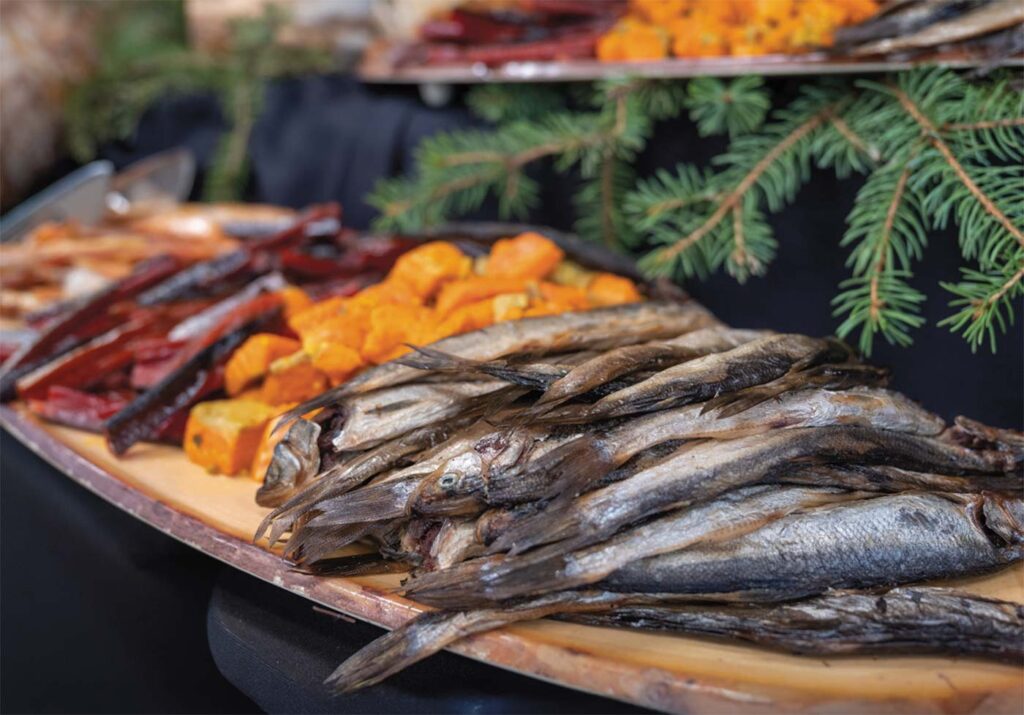
Fish: Salmon, halibut, and other fish species are abundant in the rivers and oceans. They are often dried, smoked, or fermented for preservation.
Birds: Various bird species, including ptarmigan and ducks, are hunted for their meat and eggs, providing seasonal variety to the diet.

Berries and Plants: While limited due to the Arctic climate, berries like blueberries, cranberries, and salmonberries are gathered in the summer months. Certain plants, such as sourdock and wild celery, are also used for flavoring and nutrition.
Traditional Preparation Methods Inupiat food preparation methods are designed to preserve food for long periods, ensuring a stable food supply throughout the year. These techniques have been passed down through generations and reflect a deep understanding of food science and preservation.
Drying: Meat and fish are often dried in the open air or smoked to remove moisture and prevent spoilage. Dried meat, known as ‘pemmican’ when mixed with fat and berries, is a staple food for long journeys and winter months.
Fermentation: Fermentation is another common method used to preserve food. Fish, birds, and even marine mammal meat can be fermented in underground pits or containers. Fermented foods are rich in probiotics and provide essential nutrients during the winter.
Freezing: The natural freezing temperatures of the Arctic are utilized to preserve food. Meat and fish can be stored in ice cellars or simply left outside to freeze, ensuring a long shelf life.
Boiling and Stewing: Fresh meat and fish are often boiled or stewed with vegetables and herbs to create hearty and nutritious meals.
Akutaq (Eskimo Ice Cream): Akutaq is a traditional dessert made from whipped fat (usually seal or caribou), berries, and sometimes fish. The ingredients are combined and whipped until light and fluffy. It’s a calorie-rich and delicious treat.
Maktak: As mentioned earlier, maktak is whale skin and blubber. It is often eaten raw or pickled. Maktak is a rich source of vitamin C and essential fatty acids.
Dried Fish: Fish, such as salmon or halibut, is dried in the open air or smoked. Dried fish can be eaten as a snack or added to soups and stews.
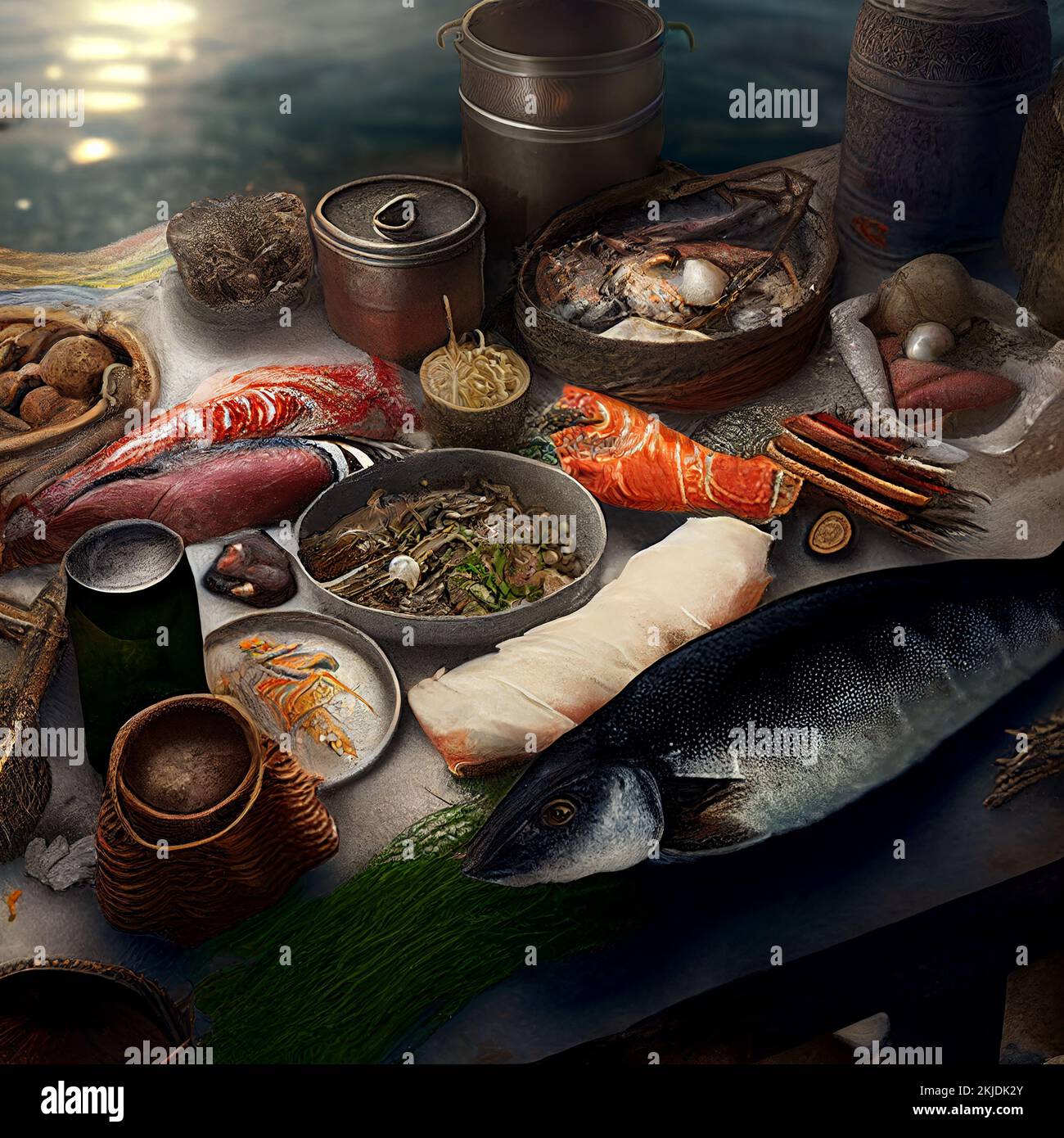

Fermented Fish (Teperek): Fish is fermented in underground pits or containers. The fermentation process breaks down the proteins and fats, making the fish easier to digest and preserving it for long periods. Teperek has a strong, pungent flavor and is considered a delicacy by many Inupiat.
Caribou Stew: Caribou meat is stewed with vegetables, such as potatoes, onions, and carrots, and seasoned with herbs. Caribou stew is a hearty and nutritious meal that provides warmth and sustenance during the cold winter months.
The Cultural Significance of Inupiat Food Inupiat food is more than just sustenance; it is deeply intertwined with their cultural identity, social structure, and spiritual beliefs. Food sharing is a central aspect of Inupiat culture, reinforcing community bonds and ensuring that everyone has access to food. Hunting and fishing are not merely economic activities; they are also spiritual practices that require respect for the animals and the environment. The knowledge of traditional food preparation is passed down through generations, preserving cultural heritage and ensuring the continuity of Inupiat traditions.
Challenges to Traditional Food Security In recent years, the Inupiat have faced increasing challenges to their traditional food security. Climate change is altering the Arctic environment, affecting the availability and distribution of key food resources. Melting sea ice is making it more difficult to hunt marine mammals, and changing weather patterns are affecting the migration patterns of caribou. Additionally, increased exposure to outside cultures and the availability of processed foods have led to dietary changes and a decline in the consumption of traditional foods. Efforts are being made to address these challenges and promote the preservation of Inupiat traditional food practices. These include supporting local hunting and fishing, promoting traditional food education, and advocating for policies that protect the Arctic environment.
Community-Based Programs: Many Inupiat communities have established programs to teach young people about traditional hunting, fishing, and food preparation techniques. These programs help to ensure that traditional knowledge is passed down to future generations.
Cultural Centers and Museums: Cultural centers and museums showcase Inupiat food traditions through exhibits, demonstrations, and educational programs. These institutions play a vital role in raising awareness about Inupiat culture and promoting the importance of traditional foods.
Research and Documentation: Researchers are working to document Inupiat food traditions, including recipes, preparation methods, and cultural significance. This research helps to preserve traditional knowledge and provides valuable information for future generations.
Advocacy and Policy: Advocacy groups are working to promote policies that protect the Arctic environment and support the rights of Inupiat people to access traditional food resources. These efforts are crucial for ensuring the long-term sustainability of Inupiat food traditions.
Frequently Asked Questions (FAQs)
What is maktak made of? Maktak is made of whale skin and blubber, typically from bowhead whales. It is a traditional Inupiat food.
What is akutaq? Akutaq, also known as Eskimo ice cream, is a traditional dessert made from whipped fat (seal or caribou), berries, and sometimes fish.
Why is traditional food important to the Inupiat? Traditional food is essential to Inupiat cultural identity, social structure, and spiritual beliefs. It provides essential nutrients and reinforces community bonds.
How do the Inupiat preserve food? The Inupiat use various methods to preserve food, including drying, fermentation, freezing, and smoking.
What are the challenges to Inupiat food security? Climate change, changing weather patterns, and increased exposure to outside cultures pose challenges to Inupiat food security.
Conclusion Inupiat traditional food recipes offer a fascinating glimpse into the rich cultural heritage and resilience of the Inupiat people. These foods are not only essential for survival in the harsh Arctic environment but also deeply intertwined with their cultural identity, social structure, and spiritual beliefs. By understanding and appreciating Inupiat cuisine, we can gain a deeper respect for their way of life and the importance of preserving their traditions for future generations. As climate change and other challenges continue to impact the Arctic, it is more important than ever to support the Inupiat people in their efforts to maintain their traditional food practices and protect their cultural heritage. Embracing and promoting these traditions ensures that the unique flavors and nutritional benefits of Inupiat cuisine continue to thrive, nourishing both body and soul for generations to come.
The Inupiat have adapted to the Arctic environment for thousands of years, and their traditional food practices reflect a deep understanding of the land and sea. By continuing to learn from and support the Inupiat, we can contribute to the preservation of their unique culture and ensure the sustainability of their food traditions for years to come. The exploration of Inupiat traditional food is an ongoing journey, one that enriches our understanding of human resilience and the profound connection between food, culture, and the environment.
Visiting a Cultural Center: Many cultural centers in Alaska offer exhibits and programs about Inupiat culture and food traditions.
Reading Books and Articles: Numerous books and articles have been written about Inupiat culture and cuisine. These resources provide valuable insights into their history, traditions, and way of life.
Supporting Inupiat Organizations: Many organizations are working to support the Inupiat people and preserve their cultural heritage. By donating to or volunteering with these organizations, you can help to make a positive impact.
Trying Inupiat Recipes: If you have the opportunity, try preparing some traditional Inupiat recipes. This is a great way to experience the flavors and traditions of Inupiat cuisine firsthand (while respecting the origins and cultural significance of the ingredients).
By engaging with Inupiat culture and cuisine, we can foster a deeper appreciation for their unique way of life and contribute to the preservation of their traditions for future generations.


