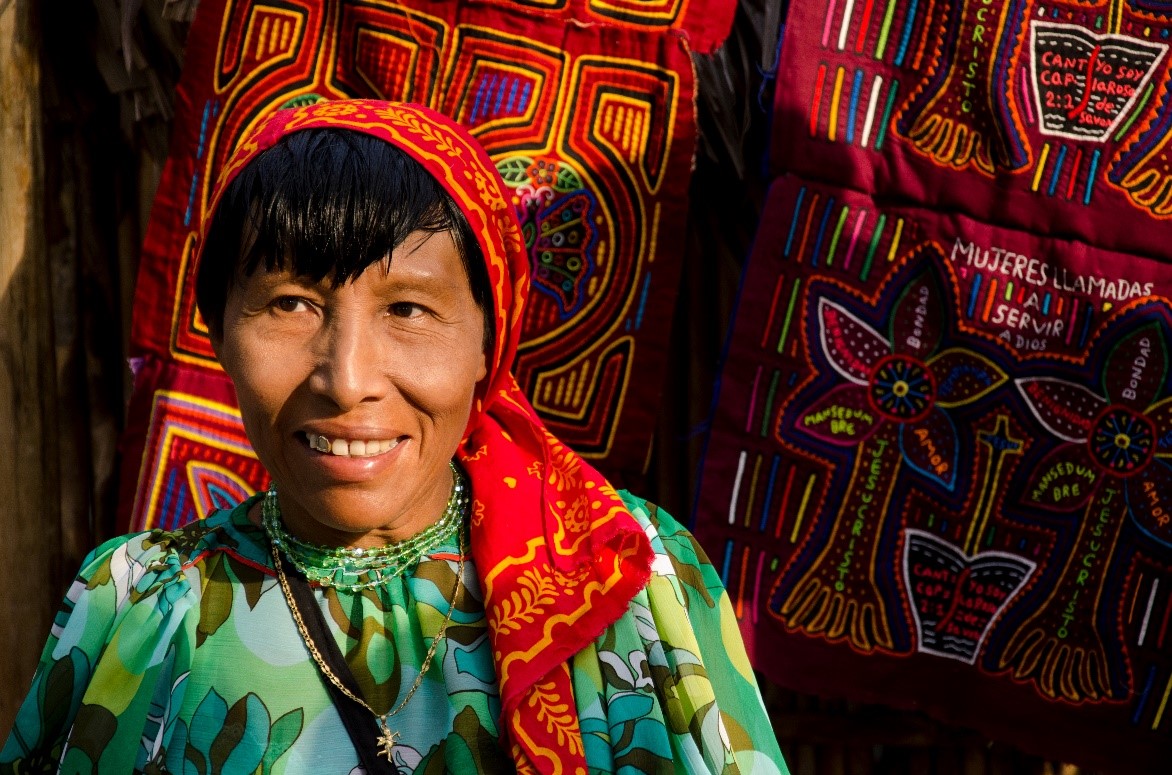
The textile arts from Indian Reservations represent a profound legacy of creativity, resilience, and cultural identity. Far from being mere decorative objects, these intricate creations are living narratives, embodying centuries of tradition, spiritual belief, and deep connection to the land. From the desert landscapes of the Southwest to the lush forests of the Northwest Coast, Indigenous communities across North America have developed unique and breathtaking textile traditions, each telling its own story through fibers, dyes, and patterns.
Understanding these textile arts requires more than just an appreciation for their aesthetic beauty; it demands recognition of the sophisticated knowledge systems, historical contexts, and ongoing cultural practices that sustain them. These traditions are not static; they have evolved, adapted, and persevered through immense challenges, continuing to thrive in the hands of contemporary artists.
This comprehensive guide will explore the diverse world of Native American textile arts, highlighting key regions, techniques, and the profound cultural significance woven into every thread. We will delve into the materials, methods, and meanings behind these extraordinary creations, offering insight into a vital aspect of Indigenous heritage.
The Deep Roots of Native American Textile Traditions
Long before European contact, Indigenous peoples across the Americas were master weavers and fiber artists. Archaeological evidence points to sophisticated textile production dating back thousands of years, utilizing indigenous materials such as wild cotton, yucca, agave, dogbane, and various animal fibers like buffalo hair and rabbit fur.
Early techniques included finger weaving, twining, plaiting, and simple loom weaving. These textiles served essential purposes, from clothing and shelter to ceremonial regalia and utilitarian items. The knowledge of transforming raw fibers into durable and beautiful fabrics was a cornerstone of many pre-Columbian societies, reflecting a deep understanding of their natural environment and innovative craftsmanship.

Navajo Weaving: Iconic Masterpieces of the Southwest
Perhaps one of the most globally recognized forms of Native American textile art is Navajo weaving. Originating with the Diné people (Navajo Nation) in the American Southwest, these intricate rugs and blankets are renowned for their bold designs, vibrant colors, and exceptional craftsmanship.
The Navajo learned weaving from their Pueblo neighbors, likely around the 17th century, but quickly developed their own distinct styles and techniques. The introduction of Churro sheep by the Spanish proved pivotal, providing a superior wool fiber that became the foundation of Navajo weaving. This wool’s long staple and natural lanolin made it ideal for both strength and water resistance.
Over centuries, Navajo weaving evolved from practical blankets and wearing apparel to highly sought-after rugs. Early designs often featured simple stripes and bands, but by the late 19th and early 20th centuries, more complex geometric patterns, pictorial elements, and regional styles emerged.
- Ganado Red: Characterized by a dominant red background with black, white, and grey geometric patterns, often associated with trader J.B. Moore.
- Two Grey Hills: Known for its intricate patterns woven entirely from natural, undyed sheep wools in shades of brown, grey, black, and white.
- Teec Nos Pos: Features highly complex, often bordered designs influenced by Oriental rug patterns, with a wide array of colors.
- Yei and Yeibichai: Depicting sacred figures from Navajo ceremonial life, often in vibrant colors.
- Pictorials: Illustrating scenes from daily life, landscapes, or historical events.
The process of Navajo weaving is labor-intensive, involving shearing, cleaning, carding, spinning, and dyeing the wool, followed by weaving on an upright loom. Each step is traditionally imbued with cultural significance and reflects a profound connection to the land and the sheep.
Pueblo Textiles: Continuity and Community
The Pueblo peoples, including the Hopi, Zuni, and Rio Grande Pueblos, boast ancient weaving traditions that predate the Navajo. Their textiles are deeply intertwined with ceremonial life, often serving as regalia for dances, sashes, and blankets for sacred rituals.
Hopi weaving, for example, is particularly known for its elegant white cotton kilts and sashes, often adorned with intricate brocaded designs in red, black, and green. These pieces are essential components of Kachina ceremonies and other religious practices. Unlike the Navajo, Hopi men are the primary weavers, continuing a tradition that has been passed down through generations.
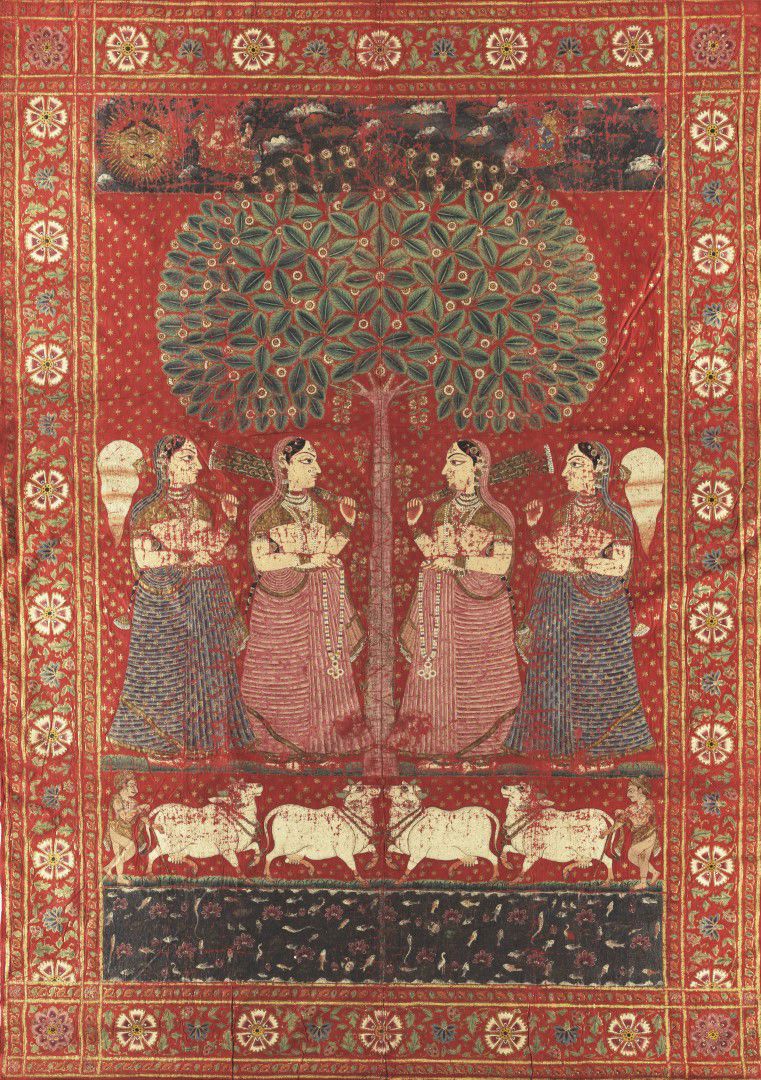
Zuni embroidery, while not strictly weaving, is another significant Pueblo textile art, involving intricate needlework on commercial fabrics, often featuring stylized animal figures and ceremonial motifs. These arts underscore the communal and spiritual dimensions of textile production within Pueblo cultures.
Beyond the Southwest: Diverse Textile Traditions Across North America
Great Plains: Beadwork and Quillwork
The Plains tribes, such as the Lakota, Cheyenne, Crow, and Blackfeet, are renowned for their exquisite beadwork and quillwork. These decorative arts adorn clothing, moccasins, bags, pipe bags, and ceremonial items. Porcupine quills, dyed with natural pigments, were historically flattened and stitched onto hide to create intricate geometric and pictorial designs.
With the arrival of European traders, glass beads became a popular medium, offering a wider palette of colors and finer detail. Techniques like the lazy stitch, peyote stitch, and loom beading were employed to create stunning, often symbolic, patterns that communicated tribal identity, personal achievements, and spiritual beliefs.
Southeastern Woodlands: Weaving and Basketry
In the Southeastern Woodlands, tribes like the Cherokee, Choctaw, and Seminole developed sophisticated basketry and fiber weaving using natural materials such as river cane, oak splints, honeysuckle, and palmetto. While often functional, these baskets are also remarkable works of art, featuring complex weaves and patterns.
River cane basketry, in particular, is an ancient art form, with weavers creating double-walled baskets that are both sturdy and aesthetically pleasing. The patterns often reflect natural elements and have deep cultural meanings, passed down through families.
Northwest Coast: Cedar Bark and Chilkat Weaving
The Indigenous peoples of the Northwest Coast, including the Tlingit, Haida, and Kwakwakaʼwakw, are celebrated for their distinctive Chilkat weaving and cedar bark textiles. Chilkat blankets are among the most complex woven textiles in the world, combining mountain goat wool and shredded cedar bark.
These blankets feature highly stylized, curvilinear designs known as ‘formline art,’ often depicting totemic animals and crest figures. The weaving technique is unique, allowing for curved lines and complex shapes that are challenging to achieve on traditional looms. Cedar bark was also woven into hats, capes, and baskets, valued for its waterproof and durable qualities.
The Art of Dyeing: Colors from the Earth
The vibrant colors seen in many Indigenous textiles are a testament to generations of knowledge about natural dyes. Before the introduction of synthetic dyes, artists meticulously extracted pigments from plants, insects, and minerals. Cochineal insects provided brilliant reds, indigo plants yielded deep blues, and various barks, roots, and flowers produced a spectrum of yellows, browns, and greens.
Symbolism and Storytelling: Every Thread a Narrative
Beyond their technical brilliance, Indigenous textile arts are profound vehicles for cultural expression and storytelling. Every pattern, color, and motif often carries deep symbolic meaning, reflecting tribal histories, spiritual beliefs, creation stories, and connections to the natural world.
For example, Navajo designs can represent mountains, clouds, lightning, or the four sacred directions. Plains beadwork often incorporates geometric designs that symbolize the sun, stars, or animal tracks. Northwest Coast Chilkat blankets feature clan crests and ancestral beings. These textiles are not just objects; they are living documents of cultural identity and heritage.
Preserving the Legacy: Challenges and Revival
The history of textile arts from Indian Reservations is also one of resilience in the face of immense challenges. Colonial policies, forced assimilation, and the disruption of traditional lifeways led to the suppression of many cultural practices, including textile production.
However, Indigenous artists and communities have steadfastly worked to preserve and revitalize these vital traditions. Cultural centers, tribal colleges, and dedicated artists are actively teaching younger generations the techniques, stories, and spiritual significance of their textile heritage. Apprenticeship programs and workshops ensure that knowledge is passed down, preventing its loss.
Contemporary Indigenous textile artists are not only preserving ancient techniques but also innovating, blending traditional forms with modern aesthetics and materials. This fusion creates new expressions that honor the past while speaking to the present, ensuring the continued vibrancy of these art forms.
Supporting Indigenous Artists: Ethical Consumption
For those wishing to acquire Indigenous textile art, it is crucial to do so ethically and respectfully. Supporting authentic Native American artists and businesses directly contributes to the economic well-being of Indigenous communities and helps sustain these invaluable cultural traditions.
- Authenticity: Ensure the piece is genuinely made by an Indigenous artist. Look for certifications or purchase from reputable galleries, tribal markets, or directly from the artist.
- Fair Trade: Seek out artists and vendors who practice fair trade principles, ensuring artists are compensated fairly for their labor and skill.
- Provenance: Learn about the artist, their tribe, and the specific traditions associated with the piece. This deepens your appreciation and understanding.
Avoid purchasing ‘Native-inspired’ or mass-produced items that appropriate Indigenous designs without benefiting the communities from which they originate. Your support helps artists continue their work and strengthens cultural preservation efforts.
Conclusion: A Vibrant Future Woven from the Past
The textile arts from Indian Reservations are more than just beautiful objects; they are powerful expressions of enduring culture, history, and identity. Each woven pattern, every bead, and every dyed fiber tells a story of resilience, innovation, and profound connection to the land and ancestral knowledge.
As these traditions continue to be practiced, preserved, and innovated by contemporary Indigenous artists, they offer a vital link to the past and a hopeful vision for the future. By appreciating, understanding, and ethically supporting these incredible art forms, we contribute to the longevity of a truly unique and invaluable cultural heritage.
The intricate threads of Indigenous textile arts weave together not just fibers, but also generations of wisdom, creativity, and the unwavering spirit of Native American peoples. They stand as a vibrant testament to the power of art to preserve identity and inspire the world.


