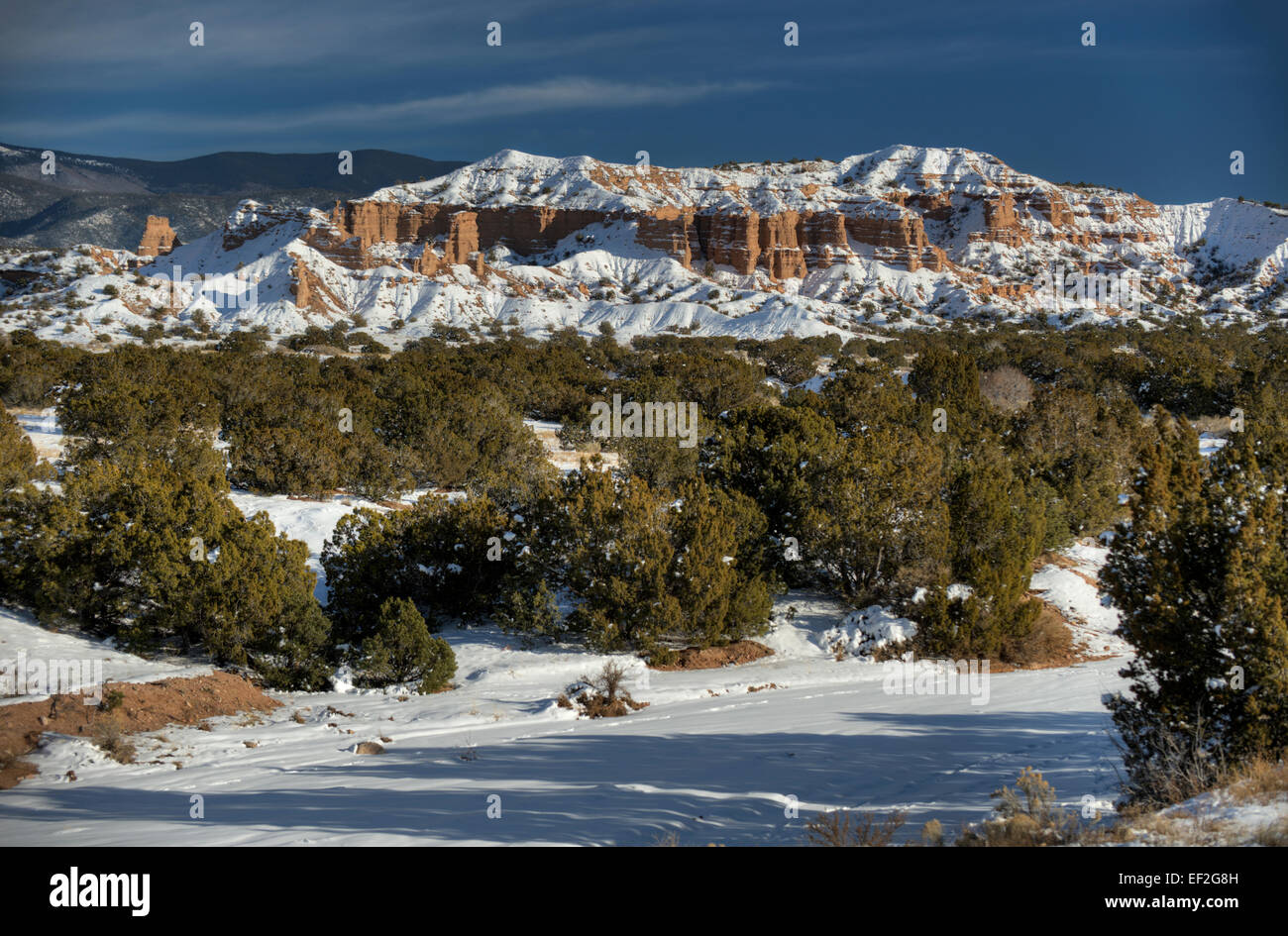
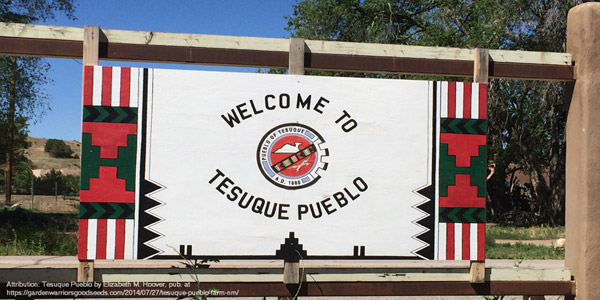
Nestled in the picturesque landscape just north of Santa Fe, New Mexico, lies the Tesuque Pueblo Reservation, a vibrant and historically rich sovereign Native American nation. For centuries, the Tesuque people have maintained a deep connection to their ancestral lands, preserving a unique culture, language, and way of life that continues to thrive today.
This comprehensive guide invites you to explore the multifaceted world of Tesuque Pueblo, delving into its ancient origins, understanding its contemporary community, and appreciating the profound resilience that defines this remarkable place. We aim to provide an informative and respectful overview for anyone interested in learning more about Native American heritage in the Southwest.
A Glimpse into Tesuque’s Ancient History
The history of Tesuque Pueblo stretches back millennia, with archaeological evidence suggesting continuous human habitation in the region for thousands of years. The ancestors of the Tesuque people, like other Tewa-speaking pueblos, established sophisticated agricultural communities long before European contact, relying on the fertile lands and the Tesuque River for sustenance.
Their early settlements were characterized by intricate adobe structures, advanced irrigation systems, and a rich oral tradition that passed down knowledge, stories, and spiritual beliefs through generations. This deep-rooted connection to the land forms the bedrock of Tesuque identity.
The arrival of Spanish colonizers in the late 16th and early 17th centuries brought significant changes. Tesuque Pueblo, along with other pueblos, experienced the pressures of forced conversion and colonial rule, culminating in the historic Pueblo Revolt of 1680. The Tesuque people played a crucial role in this unified uprising, demonstrating their unwavering determination to preserve their cultural and religious freedom.

Despite centuries of external influence, the Tesuque people have steadfastly maintained their unique cultural identity, demonstrating remarkable adaptability and strength. Their ability to integrate new ideas while safeguarding core traditions is a testament to their enduring spirit.
Location and Landscape: The Heart of the Sangre de Cristos
The Tesuque Pueblo Reservation spans approximately 17,000 acres, situated strategically along the Tesuque River, which flows from the Sangre de Cristo Mountains. This geographical setting provides a stunning backdrop of high desert mesas, juniper-dotted hills, and the distant peaks of the Rockies.
Its proximity to Santa Fe, merely a 10-minute drive north, makes it one of the most accessible pueblos, yet it retains a distinct sense of tranquility and cultural integrity. The landscape itself is integral to Tesuque spiritual beliefs and traditional practices, providing resources and a sacred connection.
The Heart of Tesuque: Culture, Traditions, and Art
Tesuque Pueblo culture is rich and vibrant, deeply rooted in communal values, respect for nature, and a profound spiritual connection to the earth. Traditional lifeways continue to be practiced, including agriculture, ceremonial dances, and the preservation of the Tewa language.
Vibrant Arts: Tesuque Pueblo Pottery
Tesuque Pueblo is particularly renowned for its distinctive pottery. Tesuque potters historically utilized local micaceous clay, which gives their creations a beautiful sparkle and durability. While traditional unpainted redware and blackware are common, Tesuque pottery also features unique forms and decorative elements.
In the late 19th and early 20th centuries, Tesuque potters became famous for their ‘Rain Gods’ – small, whimsical figurines often depicting figures with outstretched arms, offering prayers for rain. These figures, while sometimes created for the tourist market, are a significant part of Tesuque’s artistic legacy and demonstrate their adaptability.
Sacred Dances and Ceremonies
Ceremonial dances are central to Tesuque Pueblo life, serving as prayers for rain, bountiful harvests, and community well-being. These dances, often accompanied by drumming and chanting, are powerful expressions of faith and cultural identity. While some dances are open to the public, visitors are always reminded to observe with utmost respect and to adhere strictly to rules regarding photography and recording, as many ceremonies are deeply sacred and private.
Language Preservation: The Tewa Tongue
The Tesuque people speak Tewa, one of the Tanoan languages, which is also spoken by several other pueblos in the region. Efforts to preserve and revitalize the Tewa language are ongoing, ensuring that this vital aspect of their heritage is passed down to younger generations through educational programs and community initiatives.
Governance and Community Life
Tesuque Pueblo operates as a sovereign nation with its own distinct tribal government. The Pueblo is governed by a Governor, Lieutenant Governor, and a Tribal Council, all elected by the community. This self-governance allows the Tesuque people to manage their own affairs, enact their own laws, and protect their cultural resources.
The community structure is highly communal, emphasizing collective well-being and mutual support. Family ties are strong, and traditional social structures play a significant role in daily life, reinforcing the values of cooperation and respect for elders.
Economic Development and Sustainability
In recent decades, Tesuque Pueblo has actively pursued economic development initiatives to create opportunities for its members and ensure the long-term sustainability of the community. These ventures balance economic growth with the preservation of cultural integrity and environmental stewardship.
Camel Rock Casino: A Key Economic Driver
One of the most prominent economic enterprises is the Camel Rock Casino. Located within the reservation, it provides significant employment opportunities for tribal members and contributes substantially to the Pueblo’s revenue, which is then reinvested into community services, infrastructure, and cultural programs.
Tesuque Village Market: A Community Hub and Visitor Destination
The Tesuque Village Market is another vital establishment, serving as both a local grocery store and a popular stop for visitors traveling north of Santa Fe. It offers a unique blend of local products, Native American art, and delicious New Mexican cuisine, acting as a cultural crossroads where community members and visitors interact.
Other economic activities include land leasing, agricultural ventures, and supporting local artisan crafts, all aimed at creating a diverse and resilient economy.
Visiting Tesuque Pueblo: A Guide for Respectful Exploration
Tesuque Pueblo welcomes visitors who come with an open mind and a respectful attitude. It’s important to remember that you are visiting a living community with sacred traditions and private residences.
- Respect Privacy: Always ask permission before taking photographs, especially of people or ceremonial activities. In many areas, photography is strictly prohibited.
- Observe Signage: Pay close attention to signs regarding restricted areas, photography rules, and public access.
- Cultural Etiquette: Dress modestly, speak in hushed tones during ceremonies, and avoid disruptive behavior.
- Support Local: Consider purchasing authentic Tesuque pottery or crafts from tribal members, or dining at the Tesuque Village Market, to directly support the community.
- Check for Events: While many ceremonies are private, some public events or feast days may be open to visitors. Check the Pueblo’s official website or local tourism resources for information on public gatherings.
Addressing Common Questions (People Also Ask)
What is Tesuque Pueblo known for? Tesuque Pueblo is known for its rich history, unique micaceous pottery (especially ‘Rain Gods’), its vibrant cultural traditions including sacred dances, its proximity to Santa Fe, and economic ventures like the Camel Rock Casino and Tesuque Village Market.
Can you visit Tesuque Pueblo? Yes, visitors are welcome to certain areas of Tesuque Pueblo, such as the Tesuque Village Market and Camel Rock Casino. However, it is crucial to respect tribal laws, privacy, and cultural protocols, especially concerning photography and private residences.
What language do they speak at Tesuque Pueblo? The primary indigenous language spoken at Tesuque Pueblo is Tewa, a Tanoan language. English is also widely spoken, especially for communication with visitors and in daily commerce.
How many members are in Tesuque Pueblo? Tesuque Pueblo is one of the smaller pueblos, with a tribal membership typically ranging in the hundreds. The exact number can fluctuate but reflects a close-knit community dedicated to preserving its heritage.
What is the history of Tesuque Pueblo? Tesuque Pueblo has a long and storied history dating back millennia, marked by ancient agricultural practices, resilience during Spanish colonization, significant participation in the Pueblo Revolt of 1680, and a continuous effort to maintain its unique cultural identity and sovereignty into the modern era.
Preserving Heritage in a Modern World
Like many indigenous communities, Tesuque Pueblo faces the ongoing challenge of balancing cultural preservation with the demands of modern society. This includes maintaining traditional practices while pursuing economic development, ensuring the Tewa language thrives, and protecting sacred sites.
Through educational programs, cultural initiatives, and the strength of its community, Tesuque Pueblo is dedicated to ensuring that its rich heritage continues to flourish for future generations. Their commitment to self-determination and cultural integrity serves as an inspiring example.
Conclusion: The Enduring Spirit of Tesuque
Tesuque Pueblo Reservation stands as a powerful testament to the enduring spirit and cultural richness of Native American communities. From its ancient roots to its contemporary vibrancy, Tesuque offers a profound glimpse into a living history, where tradition and modernity coexist.
By understanding and respecting the unique heritage of Tesuque Pueblo, visitors contribute to the appreciation and preservation of one of New Mexico’s most precious cultural treasures. It is a place where every mesa, every piece of pottery, and every ceremonial dance tells a story of resilience, community, and an unwavering connection to the land.
We encourage you to visit Tesuque Pueblo with an open heart and mind, ready to learn, respect, and engage with a culture that has thrived for centuries, offering a truly authentic New Mexico experience.


