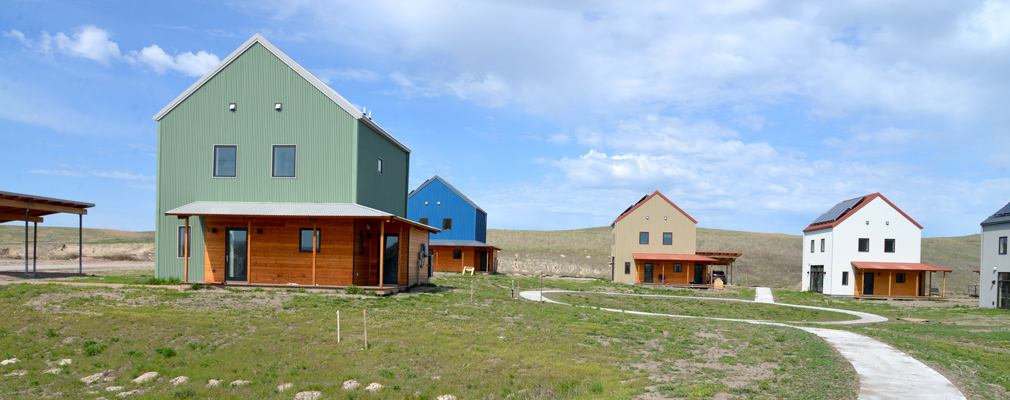

Across the United States, Indigenous communities on Indian Reservations face unique challenges, particularly when it comes to housing. For generations, many tribal nations have grappled with housing shortages, substandard living conditions, and infrastructure deficiencies. However, a powerful movement is gaining momentum: the push for sustainable housing, offering not just shelter, but a pathway to self-determination, environmental stewardship, and improved quality of life.
Sustainable housing on Indian Reservations is more than just ‘green building’; it’s a holistic approach that integrates cultural values, economic viability, and environmental responsibility. It’s about creating homes that are energy-efficient, water-conserving, healthy, durable, and deeply resonant with the traditions and needs of tribal communities.
This comprehensive guide will delve into the critical importance of sustainable housing for tribal nations, explore the innovative strategies being employed, and highlight the profound benefits these initiatives bring to the land and its people.
The Urgent Need for Sustainable Housing in Tribal Communities
The existing housing crisis on many reservations is stark. Decades of underfunding, systemic challenges, and remote locations have left many tribal citizens living in overcrowded, dilapidated, or energy-inefficient homes. These conditions contribute to higher utility bills, health issues, and a reduced quality of life.
Many homes on tribal lands lack adequate insulation, suffer from mold and mildew due to poor ventilation, and rely on outdated, inefficient heating and cooling systems. This results in exorbitant energy costs, which disproportionately burden low-income families.


Furthermore, tribal lands are often on the front lines of climate change, experiencing more frequent and intense extreme weather events. This necessitates housing solutions that are not only sustainable but also resilient to a changing climate, capable of withstanding floods, fires, and harsher temperatures.
Defining Sustainable Housing for Indian Reservations
- Are Culturally Appropriate: Reflecting indigenous architectural styles, community layouts, and living practices.
- Are Economically Viable: Reducing long-term utility costs, creating local jobs, and fostering tribal self-sufficiency.
- Are Environmentally Responsible: Minimizing ecological footprint through energy and water conservation, and responsible material sourcing.
- Promote Health and Safety: Utilizing non-toxic materials, ensuring good indoor air quality, and providing safe, stable shelter.
- Are Resilient: Designed to endure local climate challenges and reduce vulnerability to natural disasters.
Key Pillars of Sustainable Housing Design and Construction
Achieving truly sustainable housing involves careful consideration of several interconnected elements, from initial design to ongoing maintenance.
Energy Efficiency and Renewable Energy Integration
Reducing energy consumption is paramount. This includes passive solar design, superior insulation, high-performance windows, and energy-efficient appliances. Integrating renewable energy sources like solar panels can dramatically lower or even eliminate electricity bills, moving towards net-zero energy homes and fostering energy independence.
Water Conservation Strategies
Water scarcity is a growing concern in many regions. Sustainable homes incorporate low-flow fixtures, rainwater harvesting systems for non-potable uses, and drought-tolerant landscaping. Greywater recycling systems can further reduce reliance on municipal water supplies.


Sustainable and Local Materials
The choice of building materials significantly impacts a home’s environmental footprint. Prioritizing locally sourced materials reduces transportation emissions and supports local economies. Using recycled content, rapidly renewable materials (like bamboo), and non-toxic, durable materials ensures a healthy indoor environment and longevity.
Waste Reduction and Management
Sustainable construction practices aim to minimize waste during the building process. This can involve modular or prefabricated components, careful planning, and recycling construction debris. Designing homes for durability also reduces waste over their lifespan.
Indoor Air Quality and Healthy Homes
Poor indoor air quality can lead to serious health issues. Sustainable design emphasizes natural ventilation, uses low-VOC (volatile organic compound) paints and finishes, and avoids materials that off-gas harmful chemicals, creating healthier living spaces for residents.
Benefits Beyond the Build: Why Sustainability Matters on Reservations
The advantages of sustainable housing extend far beyond the walls of the homes themselves, creating a ripple effect of positive change across tribal communities.
Economic Empowerment and Reduced Poverty
Lower utility bills free up household income for other necessities. Sustainable construction projects also create local jobs in design, construction, and maintenance, fostering economic growth and reducing unemployment within the reservation.
Environmental Stewardship and Climate Resilience
By reducing energy and water consumption and minimizing waste, sustainable homes help tribal nations fulfill their ancestral role as stewards of the land. They also build resilience against the impacts of climate change, protecting communities for future generations.
Improved Health Outcomes and Quality of Life
Healthier homes mean fewer respiratory illnesses, less exposure to toxins, and greater comfort. This directly translates to improved public health, better educational outcomes for children, and an overall enhanced quality of life for residents.
Cultural Preservation and Self-Determination
Sustainable housing can be designed to reflect tribal culture and traditions, reinforcing identity and pride. It empowers tribes to determine their own housing solutions, aligning with principles of self-governance and sovereignty.
Overcoming Hurdles: Funding, Policy, and Infrastructure
Despite the clear benefits, implementing sustainable housing projects on reservations faces unique challenges.
Access to Funding
Securing adequate funding remains a significant hurdle. While programs like the Native American Housing Assistance and Self-Determination Act (NAHASDA) provide crucial support, additional federal, state, and private grants are often needed to cover the higher upfront costs of sustainable features.
Policy and Regulatory Complexities
Navigating complex land tenure issues, differing building codes (tribal vs. state/federal), and environmental regulations can be challenging. Streamlined processes and collaborative policy development are essential.
Infrastructure Development
Many reservations lack basic infrastructure, including reliable access to water, wastewater treatment, electricity, and broadband internet. Sustainable housing initiatives often must include significant investments in infrastructure to be successful.
Innovative Approaches and Success Stories
Despite the challenges, many tribal nations are leading the way with innovative and inspiring sustainable housing projects.
The Pine Ridge Reservation’s Oglala Sioux Tribe: Projects have focused on straw bale homes and solar energy to combat extreme poverty and high energy costs, providing culturally appropriate and highly efficient housing.
The Santo Domingo Pueblo in New Mexico: Utilizes traditional adobe building techniques combined with modern energy-efficient designs, showcasing how ancestral knowledge can inform contemporary sustainable practices.
The Tulalip Tribes in Washington: Have invested in modular housing units that are built off-site to strict energy-efficiency standards, reducing construction waste and time while delivering high-quality, sustainable homes.
These examples demonstrate that with vision, collaboration, and appropriate resources, sustainable housing is not just possible but thriving on tribal lands, leading to healthier communities and stronger economies.
The Role of Tribal Self-Determination and Collaboration
The success of sustainable housing initiatives hinges on tribal leadership and self-determination. Projects are most effective when they are community-driven, reflecting the specific needs, cultural values, and aspirations of the residents.
Collaboration with federal agencies (like HUD and EPA), non-profit organizations, universities, and private sector partners is also vital. These partnerships can provide technical assistance, funding, and capacity building, empowering tribes to execute their visions.
Looking Ahead: A Resilient Future for Tribal Housing
The path forward involves continued investment, policy advocacy, and education. Training tribal members in green building techniques creates a skilled workforce and further strengthens local economies. Research into culturally specific sustainable building methods will also be crucial.
Sustainable housing on Indian Reservations is a powerful expression of sovereignty and resilience. It’s about building homes that not only stand strong against the elements but also serve as foundations for cultural continuity, economic prosperity, and a healthy future for Indigenous peoples.
By embracing these principles, tribal nations are not just addressing a housing crisis; they are charting a course towards a more equitable, sustainable, and self-determined future for generations to come.
In conclusion, sustainable housing on Indian Reservations represents a transformative movement that addresses historical inequities, fosters environmental stewardship, and empowers tribal communities. Through energy efficiency, water conservation, sustainable materials, and culturally relevant design, these initiatives are building homes that are healthier, more affordable, and resilient. The journey requires overcoming significant hurdles, but the success stories from various tribes underscore the immense potential and profound impact of these efforts. By prioritizing self-determination and fostering strategic collaborations, tribal nations are paving the way for a future where every family has access to a safe, sustainable, and culturally appropriate home.


