

The Oregon Coast, a place of breathtaking beauty and abundant natural resources, has been home to indigenous peoples for millennia. Among its most enduring stewards are the Confederated Tribes of Coos, Lower Umpqua, and Siuslaw Indians (CTCLUSI), a federally recognized sovereign nation with a profound and unbreakable connection to this ancestral land.
This comprehensive article delves into the captivating story of the CTCLUSI, exploring their deep historical roots, their remarkable resilience in the face of immense challenges, and their thriving presence on the Oregon landscape today. We will uncover their rich cultural heritage, their vital contributions to the region, and their ongoing efforts to preserve their traditions for future generations.
A Legacy Etched in Time: Pre-Contact History
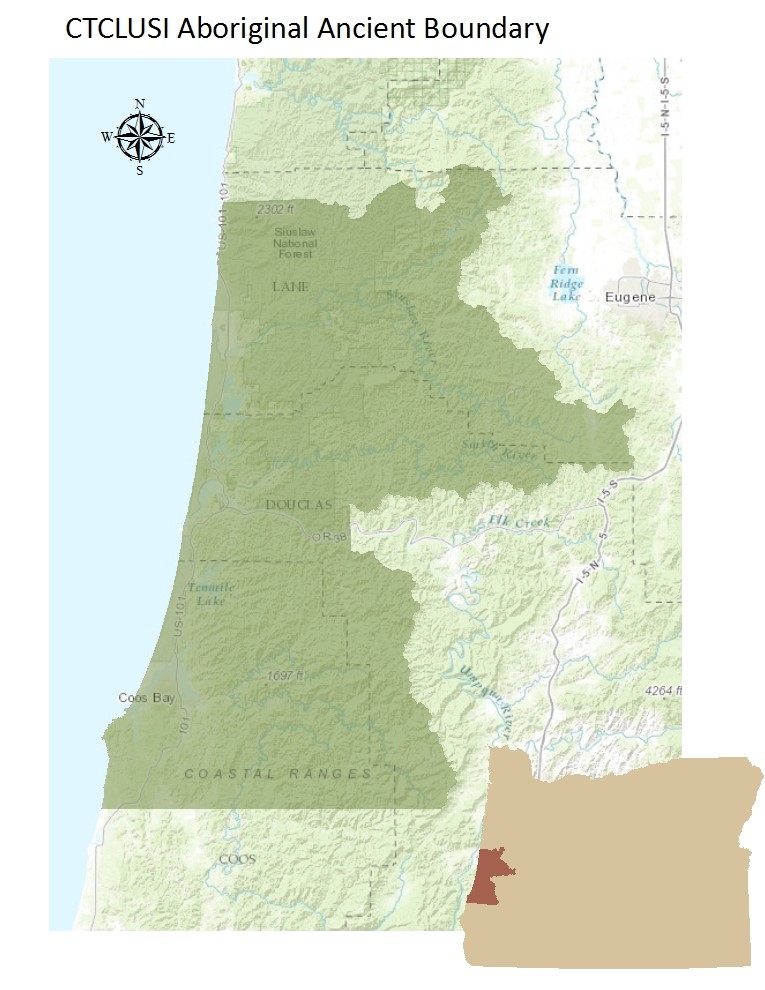
Before the arrival of European explorers and settlers, the ancestral territories of the Coos, Lower Umpqua, and Siuslaw peoples spanned a significant portion of the central and southern Oregon Coast. Their lands extended along major river systems, including the Coos, Umpqua, and Siuslaw Rivers, and encompassed vast stretches of coastline and inland forests.
Life for these distinct but interconnected tribes was deeply intertwined with the natural world. They were expert fishers, hunters, and gatherers, utilizing the abundant salmon runs, shellfish, deer, elk, and diverse plant life that characterized their environment. Their sophisticated knowledge of ecology ensured sustainable living for thousands of years.
Each tribe maintained its own unique cultural practices, languages, and social structures, yet shared a common respect for the land and a spiritual connection to their surroundings. Their societies were complex, featuring intricate kinship systems, vibrant ceremonial life, and advanced resource management techniques.

The Era of Change: Treaties, Dispossession, and Resilience
The 19th century brought dramatic and often devastating changes to the indigenous peoples of Oregon. With the influx of American settlers, the federal government initiated a series of treaties aimed at acquiring tribal lands.
For the Coos, Lower Umpqua, and Siuslaw peoples, these treaties often resulted in significant land cessions and the forced removal of communities from their ancestral homes. The promises made in many of these agreements were frequently broken, leading to immense hardship and the loss of traditional lifeways.
Despite these immense pressures, the tribes demonstrated incredible resilience. Many members resisted removal, sought refuge in remote areas, and continued to practice their cultural traditions in secret, ensuring the survival of their heritage against overwhelming odds.
The Dark Chapter of Termination and the Fight for Restoration
Mid-20th century federal policy introduced the devastating ‘Termination Era,’ which sought to dissolve tribal governments and assimilate Native Americans into mainstream society. In 1954, the Coos, Lower Umpqua, and Siuslaw Tribes were among the many Oregon tribes whose federal recognition was terminated.
Termination stripped the tribes of their sovereignty, their remaining land base, and access to vital federal services. This period caused profound economic, social, and cultural disruption, threatening the very existence of the tribal communities.
However, the spirit of the CTCLUSI remained unbroken. A dedicated and persistent effort by tribal members, led by visionary leaders, began the arduous journey toward re-establishing their sovereign rights. This grassroots movement gained momentum through tireless advocacy and legal battles.
On October 17, 1984, after decades of struggle, the Confederated Tribes of Coos, Lower Umpqua and Siuslaw Indians Restoration Act was signed into law. This monumental achievement restored their federal recognition and re-established their government-to-government relationship with the United States.
The Tribes Today: A Vision for the Future
Today, the CTCLUSI is a vibrant and forward-looking sovereign nation. Their tribal headquarters are located in Coos Bay, Oregon, serving as the administrative and cultural hub for their approximately 1,200 enrolled members.
Governance and Self-Determination
The tribal government, led by an elected Tribal Council, is dedicated to upholding tribal sovereignty and promoting the welfare of its members. They manage a wide array of programs and services, including health care, education, housing, and cultural preservation initiatives.
Self-determination is a cornerstone of their governance, allowing the tribes to make decisions that directly impact their community and future, reflecting their unique needs and cultural values.
Economic Development: Building a Sustainable Future
A significant driver of the CTCLUSI’s economic self-sufficiency is the Three Rivers Casino Resort, located in Florence, Oregon. This successful enterprise provides vital employment opportunities and generates revenue that supports tribal government operations and social programs.
Beyond gaming, the tribes are engaged in diverse economic ventures, including natural resource management and community development projects, all aimed at creating a stable and prosperous future for their people.
Cultural Revitalization and Preservation
Central to the CTCLUSI’s identity is the revitalization of their languages and cultural practices. Efforts are underway to teach the Miluk (Coos) and Hanis (Coos) languages, as well as the Lower Umpqua and Siuslaw languages, to younger generations.
The tribes actively preserve and celebrate their traditional arts, storytelling, music, and ceremonies. The annual Salmon Ceremony, for instance, is a profound expression of their spiritual connection to the land and a testament to their enduring cultural heritage.
Environmental Stewardship: Guardians of the Land
The CTCLUSI maintain a deep commitment to environmental stewardship and the sustainable management of their ancestral lands and natural resources. They actively participate in conservation efforts, including salmon habitat restoration, water quality protection, and forest management.
Their traditional ecological knowledge provides invaluable insights into preserving the delicate balance of the Oregon Coast’s ecosystems, contributing significantly to the region’s overall environmental health.
Answering Your Questions: People Also Ask
What tribes are in Coos Bay Oregon?
The primary federally recognized tribe with headquarters and significant presence in the Coos Bay, Oregon area is the Confederated Tribes of Coos, Lower Umpqua and Siuslaw Indians (CTCLUSI). Their ancestral territories historically encompassed this region.
What is the Coos Bay Tribe called?
The Coos Bay Tribe is officially part of the Confederated Tribes of Coos, Lower Umpqua and Siuslaw Indians (CTCLUSI). This confederation unites the descendants of the Hanis Coos, Miluk Coos, Lower Umpqua, and Siuslaw peoples.
The Siuslaw Tribe is one of the constituent tribes of the Confederated Tribes of Coos, Lower Umpqua and Siuslaw Indians (CTCLUSI). Historically, the Siuslaw people resided along the Siuslaw River basin. Today, as part of the CTCLUSI, their contemporary tribal government and community services are centered in Coos Bay, Oregon.
How many federally recognized tribes are in Oregon?
Oregon is home to nine federally recognized tribes. The Confederated Tribes of Coos, Lower Umpqua and Siuslaw Indians is one of these distinct sovereign nations, each with its unique history and culture.
What language did the Coos Indians speak?
Historically, the Coos Indians spoke two distinct Coosan languages: Hanis Coos and Miluk Coos. Both are part of the Coosan language family. Efforts are ongoing within the CTCLUSI to revitalize and teach these ancestral languages to tribal members.
Community Engagement and Education
The CTCLUSI actively engages with the broader community, sharing their history and culture through educational programs, public events, and partnerships. They strive to foster understanding and respect for Native American heritage.
Visitors to the Oregon Coast can learn more about the CTCLUSI through resources available at their tribal headquarters, cultural events, and the Three Rivers Casino Resort, which often showcases tribal art and history.
Conclusion: A Story of Endurance and Prosperity
The Confederated Tribes of Coos, Lower Umpqua and Siuslaw Indians stand as a testament to the enduring strength, cultural richness, and unwavering spirit of indigenous peoples. Their journey from historical displacement and federal termination to self-determination and prosperity is a powerful narrative of resilience.
Through their commitment to cultural preservation, economic development, and environmental stewardship, the CTCLUSI not only honor their ancestors but also build a vibrant and sustainable future for their descendants and contribute immeasurably to the tapestry of the Oregon Coast. Their story is a vital part of Oregon’s past, present, and future.
Understanding and respecting the sovereignty and history of the CTCLUSI is essential for anyone seeking to comprehend the true depth and complexity of the Oregon experience.


