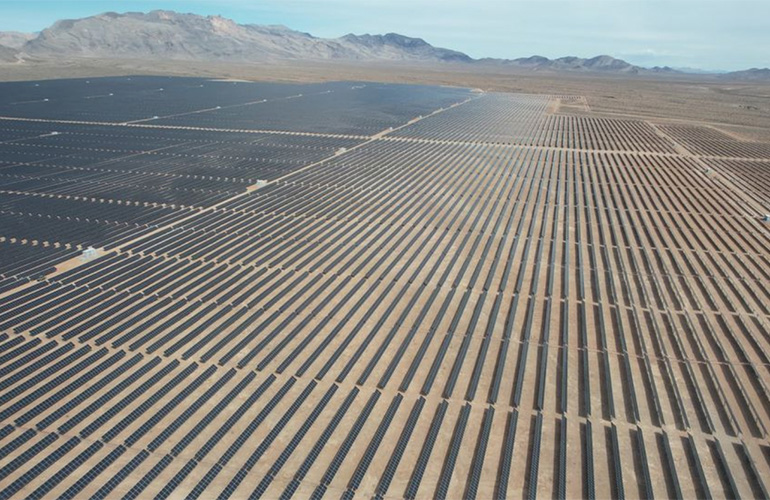
Indian Reservations across the United States are uniquely positioned to become leaders in the clean energy transition, with solar power emerging as a particularly potent force for change. For far too long, many tribal nations have faced significant energy challenges, including high energy costs, unreliable grids, and limited access to modern infrastructure. Solar energy offers a powerful solution, promising not only electricity but also a pathway to economic self-determination, environmental stewardship, and improved community well-being.
The journey towards energy independence for tribal communities is deeply rooted in a history of resource exploitation and systemic disadvantages. Many reservations are located in remote areas, far from major utility grids, making conventional energy expensive and often inaccessible. This has led to what is often termed ‘energy poverty,’ where households spend a disproportionate amount of income on energy, or lack basic access altogether.
Historically, tribal lands have been sources of fossil fuels, with the benefits often flowing off-reservation while environmental burdens remained. The shift to renewable energy, particularly solar, represents a fundamental rebalancing of this dynamic, allowing tribes to harness their own abundant natural resources for their own benefit, on their own terms.
Solar power offers a multi-faceted approach to addressing these long-standing issues. It provides a reliable, decentralized energy source that can bypass the limitations of aging or non-existent grid infrastructure. Furthermore, it aligns with deeply held cultural values of respecting the land and natural resources, making it a natural fit for many tribal philosophies.
Why is solar power particularly well-suited for Indian Reservations? The answer lies in a combination of factors, including geographical advantages, the need for energy resilience, and the inherent potential for economic development that respects tribal sovereignty.
Many reservations boast vast expanses of land with excellent solar insolation – the amount of solar radiation received. This natural endowment, combined with the declining costs of solar technology, creates an ideal environment for large-scale and distributed solar projects.
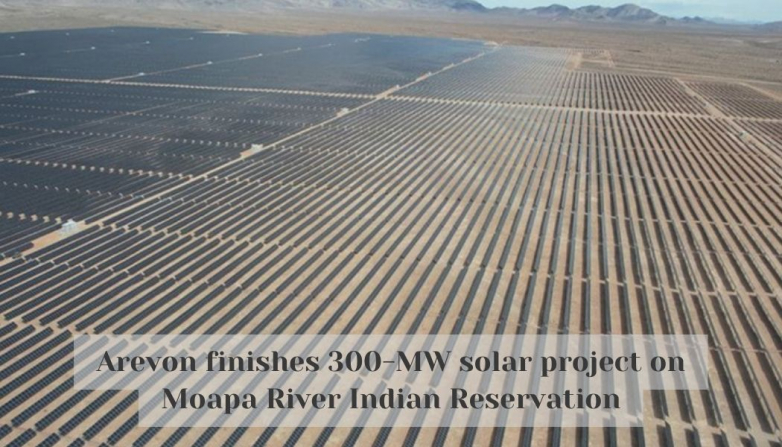
Energy Independence and Security: One of the most compelling advantages of solar power for tribal nations is the ability to achieve true energy independence. By generating their own electricity, tribes can reduce their reliance on external utilities, insulate themselves from volatile energy prices, and create a more secure and resilient energy supply.
This independence is not just about cost savings; it’s about tribal energy sovereignty. It means having the power to decide how energy is generated, distributed, and consumed within their own communities, aligning energy policy with tribal governance and cultural values.
Economic Development and Job Creation: Solar projects bring significant economic opportunities directly to reservations. The development, installation, operation, and maintenance of solar farms create well-paying jobs for tribal members, fostering skill development and local economic growth.
Beyond direct employment, the revenue generated from selling excess solar power back to the grid, or from reduced energy expenditures, can be reinvested into other tribal services, infrastructure, and businesses, creating a virtuous cycle of economic prosperity.
Environmental Stewardship and Climate Resilience: Tribal nations have long been stewards of the environment, and solar energy provides a powerful tool to continue this legacy. By replacing fossil fuel-based electricity with clean solar power, tribes can significantly reduce their carbon footprint and contribute to the global fight against climate change.
Solar installations also enhance community resilience against climate impacts, such as extreme weather events that can disrupt traditional power grids. Microgrids powered by solar and battery storage can keep critical services running when the main grid fails, ensuring essential access to power during emergencies.
Health Benefits: Transitioning away from fossil fuels reduces air pollution, which can have significant positive impacts on public health, particularly for communities that have historically borne the brunt of pollution from nearby industrial sites or power plants.
Access to reliable and affordable electricity also improves quality of life, enabling better heating and cooling, access to clean water through electric pumps, and powering essential medical and educational facilities.
Cultural Preservation: For many tribes, the land is sacred. Developing renewable energy sources like solar allows tribes to utilize their land in a way that generates wealth and power without depleting non-renewable resources or causing long-term environmental damage, thus honoring their ancestral lands and traditions.
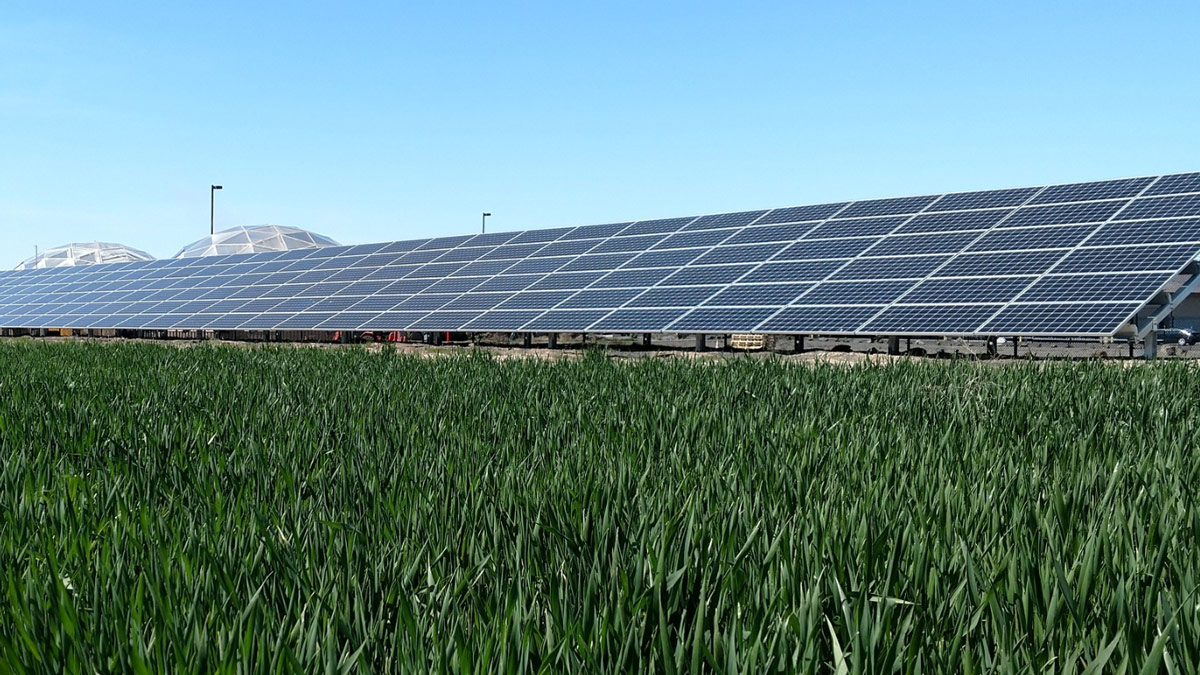
Despite the immense potential, implementing solar projects on Indian Reservations is not without its challenges. These hurdles often require innovative solutions and collaborative partnerships.
- Funding and Financing: Securing initial capital for large-scale solar projects can be a significant barrier. Traditional lending institutions may be hesitant due to unique tribal land ownership structures or perceived risks.
- Regulatory Complexities: Navigating the intricate web of tribal, state, and federal regulations, permitting processes, and utility interconnection agreements can be daunting and time-consuming.
- Infrastructure Limitations: Many remote reservations lack the necessary transmission infrastructure to connect large solar arrays to the broader grid, or to effectively distribute power within the community.
- Technical Expertise and Training: There can be a shortage of tribal members with specialized skills in solar project development, installation, and maintenance, necessitating training programs and capacity building.
- Land Use and Permitting: While tribes have sovereignty over their lands, internal tribal processes for land allocation and permitting for energy projects can be complex and require extensive community engagement.
However, numerous success stories demonstrate that these challenges are surmountable. Tribes like the Navajo Nation, with its vast solar potential, are actively pursuing large-scale projects to power homes and create economic opportunities. The Hopi Tribe in Arizona has implemented solar to power essential community services, reducing reliance on external energy sources.
The Lummi Nation in Washington state has focused on community-scale solar, integrating it into their broader vision for sustainable development and environmental protection. These examples highlight the diverse approaches and the determination of tribal leaders to bring clean energy to their people.
Several avenues exist to help tribes overcome financial barriers. Federal programs, such as the Department of Energy’s (DOE) Tribal Energy Program, provide grants and technical assistance. The USDA’s Rural Energy for America Program (REAP) also offers support for renewable energy projects in rural areas, including tribal lands.
Private sector partnerships are also crucial. Impact investors, philanthropic organizations, and solar development companies are increasingly recognizing the unique opportunities and positive social impact of working with tribal nations. These partnerships often bring not only capital but also technical expertise and project management capabilities.
Community solar models, where multiple households or businesses share the benefits of a single solar installation, are gaining traction. This approach can make solar more accessible and affordable for individual tribal members, fostering a sense of collective ownership and benefit.
Looking forward, a concerted effort from all stakeholders is essential. Policymakers must continue to streamline regulatory processes and provide robust funding mechanisms tailored to the unique needs of tribal communities. Utilities should be incentivized to collaborate with tribes on interconnection and grid modernization.
For tribal nations, investing in education and training programs for their members in renewable energy technologies will be key to long-term success and self-sufficiency. Building internal capacity ensures that the benefits of solar power remain within the community.
The journey towards full energy sovereignty through solar power is a powerful testament to the resilience and vision of Indian Reservations. It is a path that honors tradition while embracing innovation, creating a brighter, more sustainable future for generations to come.
In conclusion, solar power on Indian Reservations is more than just an energy solution; it’s a catalyst for profound economic, social, and environmental transformation. By leveraging their natural resources and sovereign authority, tribal nations are not only addressing historical energy injustices but are also setting a powerful example for sustainable development and self-determination for the entire nation.


