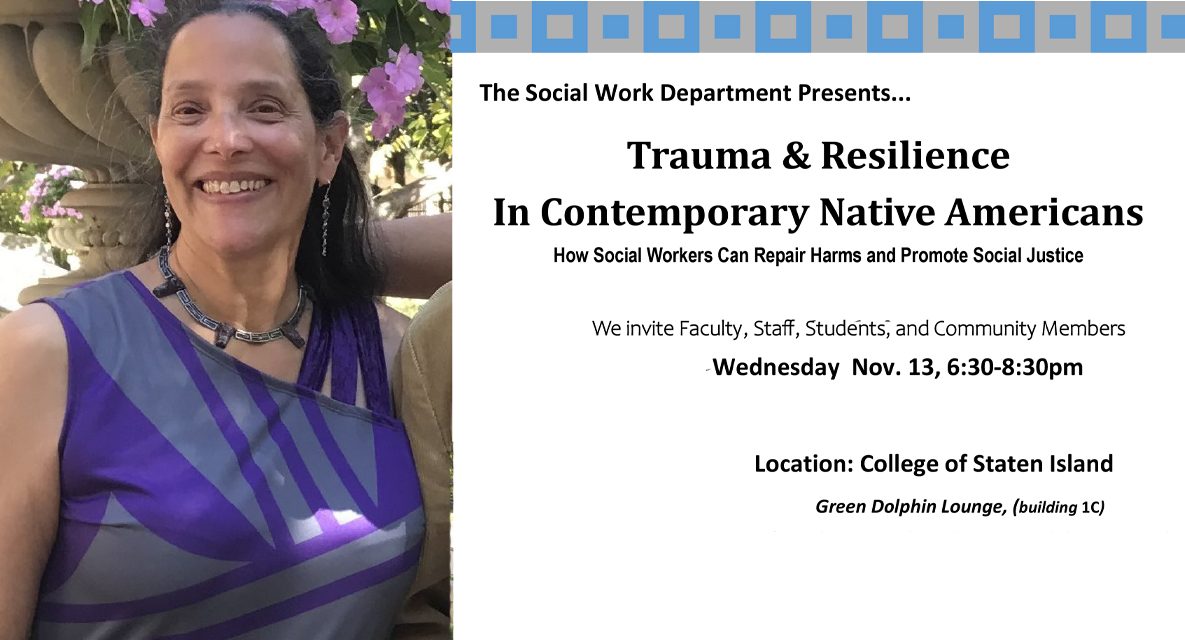

Social work on Indian Reservations represents a unique and profoundly vital area of practice within the broader field of social services. It demands not only a deep understanding of social work principles but also an acute awareness of historical context, cultural nuances, and the complexities of tribal sovereignty. This article delves into the multifaceted landscape of social work within Native American communities, exploring the challenges, best practices, and the profound impact these dedicated professionals have.
The term ‘Indian Reservations’ refers to lands managed by tribal nations under the U.S. Department of the Interior’s Bureau of Indian Affairs (BIA). These communities are sovereign nations, each with its own distinct culture, language, governance, and traditions. The diversity across the more than 574 federally recognized tribes in the United States means that social work approaches must be highly individualized and community-specific.
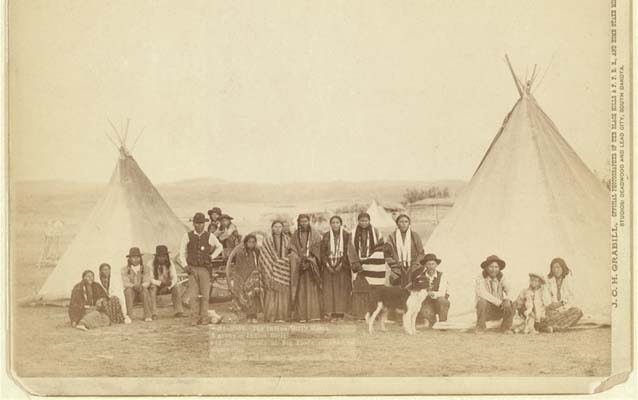
Understanding the historical backdrop is paramount. For centuries, Indigenous peoples have endured colonization, forced removal, genocide, and policies of assimilation. These events, including the infamous Indian Removal Act and the boarding school era, have inflicted deep and lasting wounds, leading to what is now recognized as historical trauma.
The boarding school system, active from the late 19th to mid-20th centuries, forcibly removed Native children from their families and cultures, forbidding them from speaking their languages or practicing their spiritual traditions. The aim was to ‘kill the Indian to save the man.’ The devastating impact of these schools – including abuse, neglect, and the rupture of family bonds – continues to reverberate through generations, manifesting as intergenerational trauma.
This legacy of trauma contributes significantly to many of the social issues seen in Native communities today. High rates of poverty, unemployment, substance use disorders, mental health crises, and chronic health conditions are often direct consequences of systemic oppression and historical injustices, not inherent deficiencies within the communities themselves.
Unique Challenges in Tribal Communities


Social workers on reservations often confront a unique set of challenges. Economic disparities are stark; many reservations face high rates of poverty, limited infrastructure, and a lack of access to essential services. This can include inadequate housing, food insecurity, and poor transportation, all of which complicate service delivery.
Healthcare access is another critical issue. The Indian Health Service (IHS), while intended to provide comprehensive care, is chronically underfunded and understaffed. This results in significant healthcare disparities, particularly in mental health and substance abuse treatment, where culturally appropriate resources are often scarce or non-existent.
Substance use disorders, including alcohol and opioid addiction, are prevalent in many tribal communities, often exacerbated by a lack of economic opportunity, historical trauma, and limited access to culturally relevant treatment programs. Social workers play a crucial role in prevention, intervention, and supporting recovery journeys.
Mental health concerns are equally pressing. Suicide rates among Native American youth are significantly higher than the national average. Social workers are on the front lines, providing crisis intervention, counseling, and advocating for increased access to culturally sensitive mental health services that incorporate traditional healing practices.
Child Welfare and the Indian Child Welfare Act (ICWA)
Child welfare is a cornerstone of social work on reservations. The Indian Child Welfare Act (ICWA) of 1978 was enacted to address the alarmingly high rates of Native American children being removed from their homes and placed in non-Native foster and adoptive families. ICWA mandates that tribal courts have jurisdiction over Native child welfare cases and establishes preferences for placing Native children with extended family or other tribal members.
ICWA is a landmark piece of legislation that affirms tribal sovereignty and protects the cultural identity of Native children. Social workers must be intimately familiar with ICWA’s provisions, working collaboratively with tribal courts, tribal social services, and families to ensure compliance and promote family preservation within the community.
Despite ICWA, challenges persist in its implementation, including ongoing legal challenges and a need for greater understanding and compliance from state agencies. Social workers are often at the forefront of advocating for ICWA’s full and proper application.
Cultural Competence and Humility: Essential for Practice

For social workers operating in Native communities, cultural competence is not merely a buzzword; it is a fundamental requirement. This involves understanding the diverse histories, traditions, values, and belief systems of the specific tribal nation they serve. It means recognizing the importance of extended family, tribal elders, spiritual leaders, and traditional ceremonies.
Beyond competence, cultural humility is crucial. This approach emphasizes a lifelong commitment to self-reflection and learning, acknowledging that one can never be fully ‘competent’ in another’s culture. It involves listening with an open mind, respecting Indigenous knowledge, and allowing community members to define their own needs and solutions.
Indigenous Approaches to Healing and Well-being
Effective social work on reservations integrates Indigenous approaches to healing and well-being. These often emphasize a holistic perspective, recognizing the interconnectedness of mind, body, spirit, and community. Traditional ceremonies, storytelling, sweat lodges, talking circles, and connection to the land are powerful tools for healing and resilience.
Social workers must learn to collaborate with traditional healers and integrate these practices into their interventions when appropriate and desired by clients. This means moving away from Western-centric models and embracing culturally affirming strategies that empower individuals and communities.
The Role of Tribal Social Workers vs. Non-Native Social Workers
Tribal social workers, who are often members of the community they serve, bring an invaluable insider perspective, cultural understanding, and established trust. They are uniquely positioned to navigate complex family dynamics and community networks, often speaking the tribal language and understanding subtle cultural cues.
Non-Native social workers can also be highly effective, but they must commit to rigorous cultural education, build genuine relationships based on trust and respect, and always defer to tribal leadership and community wisdom. Their role is often one of support and resource facilitation, working in partnership rather than imposing solutions.
Specific Areas of Practice
- Elder Care: Respect for elders is deeply ingrained in Native cultures. Social workers assist with elder abuse prevention, access to healthcare, and support systems that allow elders to remain connected to their families and traditions.
- Domestic Violence and Sexual Assault Support: These issues are tragically prevalent, often compounded by jurisdictional challenges and historical trauma. Social workers provide advocacy, safety planning, and culturally sensitive counseling.
- Youth Programs: From suicide prevention to fostering leadership skills, social workers develop and implement programs that empower Native youth, connecting them to their heritage and building resilience.
- Community Development: Social workers often engage in macro-level practice, advocating for resources, developing community-based initiatives, and supporting tribal self-determination efforts.
Funding, Policy, and Advocacy
The chronic underfunding of federal programs serving Native communities, particularly IHS and BIA services, creates immense challenges. Social workers are often tasked with navigating complex grant applications, advocating for increased appropriations, and finding creative solutions to resource scarcity.
Advocacy for policy reform is a continuous effort. This includes pushing for greater tribal control over services, ensuring adequate funding, and challenging discriminatory practices that continue to impact Native peoples. Social justice is at the heart of this work.
Building Resilience and Strengths-Based Practice
Despite the immense challenges, Native American communities possess incredible strength, resilience, and a rich cultural heritage. Effective social work focuses on a strengths-based approach, identifying and amplifying the inherent capacities of individuals, families, and communities. This involves celebrating cultural identity, promoting language revitalization, and supporting traditional practices as sources of healing and empowerment.
Many innovative programs are emerging from tribal communities themselves, such as culturally tailored mental health first aid, community gardens addressing food insecurity, and youth leadership initiatives that connect young people with elders and traditional knowledge. These are powerful examples of self-determination in action.
The Importance of Relationships and Long-Term Commitment
Building trust is a lengthy process, particularly given the history of broken promises and exploitation by external entities. Social workers must demonstrate a long-term commitment to the community, participate in community events, and prioritize relationship-building over quick fixes. Authenticity and consistency are key.
Ethical dilemmas can arise when balancing professional boundaries with community expectations, or when navigating different cultural norms around privacy and family involvement. Social workers must engage in continuous ethical reflection and seek guidance from tribal elders and colleagues.
For social workers themselves, the work can be emotionally demanding. Practicing self-care, seeking supervision, and connecting with a supportive professional community are essential for sustainability in this challenging yet incredibly rewarding field.
Future Directions: Self-Determination and Culturally-Driven Services
The future of social work on Indian Reservations points towards even greater tribal self-determination. This means empowering tribal nations to design, implement, and manage their own social service programs, rooted in their unique cultural values and traditional healing practices. The goal is to move beyond mere consultation to full partnership and leadership by Indigenous communities.
This shift requires continued advocacy for federal policies that support tribal sovereignty and provide adequate, flexible funding directly to tribal governments. It also demands that social work education continues to evolve, preparing professionals who are not just culturally aware, but actively anti-racist, decolonizing, and committed to social justice.
Conclusion
Social work on Indian Reservations is a field of immense complexity, profound historical impact, and incredible resilience. It requires a unique blend of professional expertise, cultural humility, and an unwavering commitment to social justice. By understanding the historical trauma, respecting tribal sovereignty, and embracing Indigenous approaches to healing, social workers can become true allies and facilitators of well-being, helping to heal sacred ground and foster thriving Native American communities.
The work is challenging, but the opportunity to contribute to the strength, healing, and self-determination of Indigenous peoples makes it one of the most meaningful and impactful areas of social work practice today.


