The Enduring Heartbeat of Standing Rock: A Saga of Resilience, Betrayal, and the Unbroken Spirit of the Sioux
The windswept plains of North Dakota hold more than just vast horizons; they cradle centuries of history, resilience, and an unyielding connection to the land for the Oceti Sakowin, the Great Sioux Nation. From the thunderous hooves of buffalo to the roar of construction machinery, the story of the Sioux at Standing Rock is a microcosm of Indigenous experience in America – a narrative woven with threads of sacred promises, brutal betrayals, and an enduring spirit that refuses to be silenced. The recent stand against the Dakota Access Pipeline (DAPL) at Standing Rock was not merely an environmental protest; it was a powerful echo of a history fraught with struggle, a testament to a people who have consistently fought to protect their ancestral lands, water, and way of life.
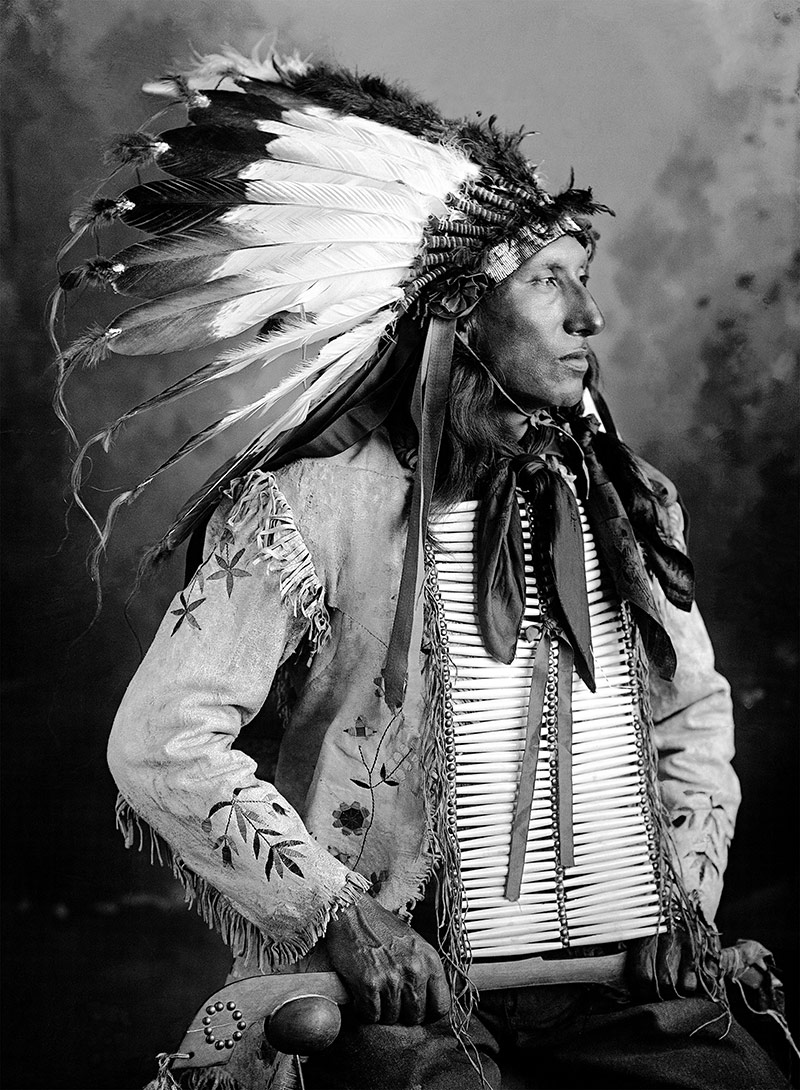
To understand Standing Rock today, one must journey back to a time when the Sioux were sovereign masters of the Northern Plains. Comprising seven distinct council fires – the Lakota, Dakota, and Nakota peoples – their vast territory, known as the Great Sioux Reservation, stretched across parts of present-day North and South Dakota, Wyoming, Nebraska, and Montana. Their lives were intrinsically linked to the buffalo, which provided sustenance, shelter, and spiritual connection. Their societies were complex, governed by sophisticated oral traditions, spiritual ceremonies, and a profound reverence for Unci Maka (Grandmother Earth) and Mni Wiconi (Water is Life). This profound bond with the land would become the bedrock of every subsequent struggle.
The arrival of European settlers and the relentless march of westward expansion irrevocably altered this ancient way of life. Initial interactions were often driven by the fur trade, but as the 19th century progressed, the United States government’s ambitions grew, fueled by the concept of "Manifest Destiny" and the insatiable demand for land and resources. A series of treaties, often signed under duress or misunderstanding, began to chip away at Sioux territory. The Fort Laramie Treaty of 1851 attempted to delineate tribal lands, but it was quickly undermined by the relentless influx of settlers and prospectors.
The turning point, and perhaps the most egregious betrayal, came with the Fort Laramie Treaty of 1868. This treaty, signed after Red Cloud’s War forced the U.S. government to abandon its forts along the Bozeman Trail, promised the Sioux a vast reservation, including the sacred Black Hills (Paha Sapa), “as long as the grass shall grow and the rivers run.” This was a solemn vow, understood by the Sioux as an eternal guarantee. The Black Hills were not merely a geographical feature; they were the spiritual heartland of the Lakota, a place of profound religious significance, vision quests, and ancestral burial grounds.
However, the ink on the treaty was barely dry before its terms were violated. In 1874, General George Armstrong Custer led an expedition into the Black Hills, confirming rumors of gold. The discovery ignited a gold rush, and thousands of white prospectors swarmed into the sacred territory, directly flouting the 1868 treaty. The U.S. government, rather than upholding its promise, sought to purchase the Black Hills from the Sioux. When the Sioux chiefs, including the legendary Sitting Bull and Crazy Horse, refused to sell their sacred lands, the government issued an ultimatum: move onto reservations or be considered hostile.
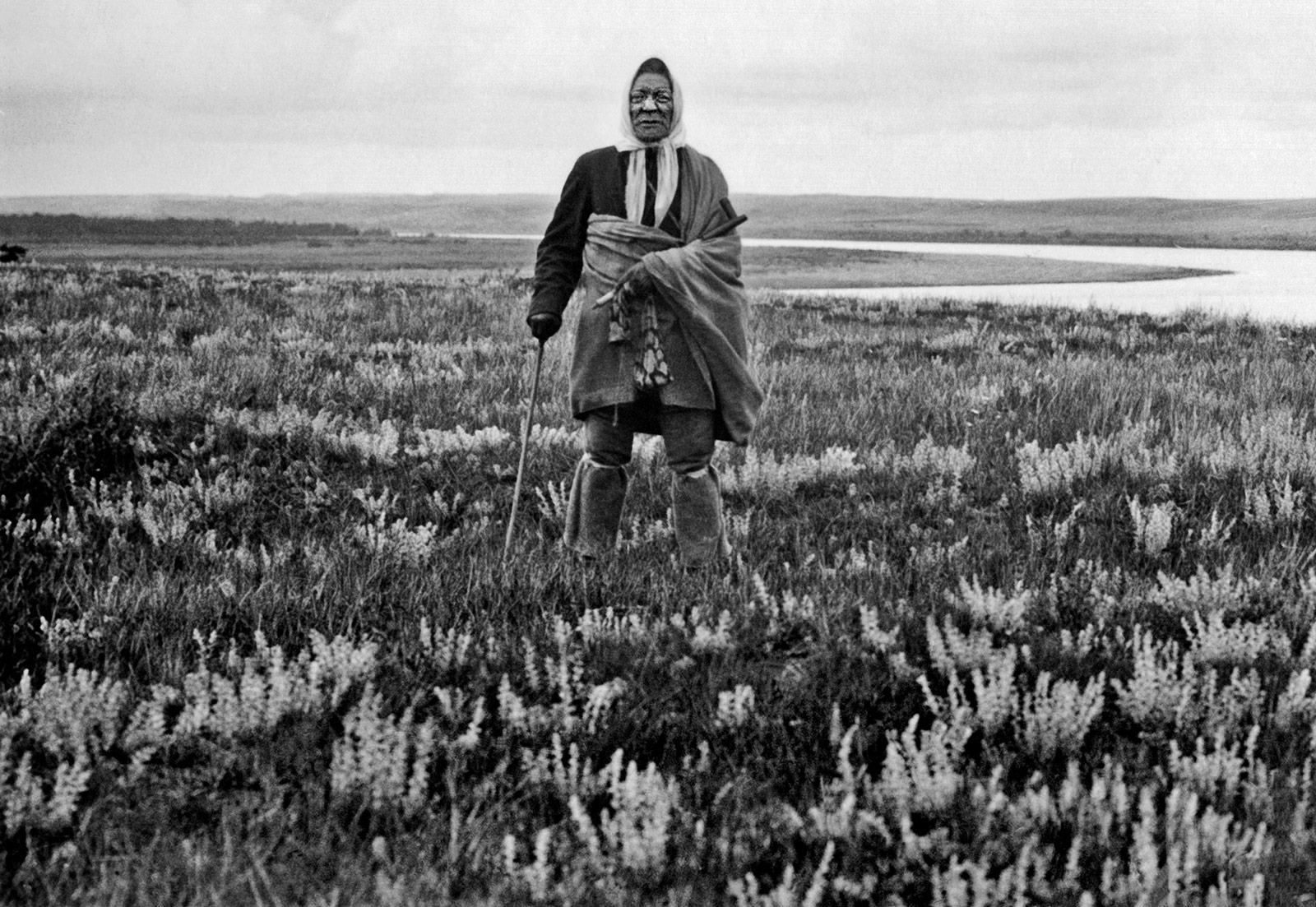
This betrayal ignited the Great Sioux War of 1876-77, a desperate fight for survival and sovereignty. It culminated in the iconic Battle of Little Bighorn (Greasy Grass), where a coalition of Lakota, Cheyenne, and Arapaho warriors decisively defeated Custer’s 7th Cavalry. While a stunning victory, it was ultimately a pyrrhic one. The U.S. government retaliated with overwhelming force, relentlessly pursuing and subjugating the defiant bands. By 1877, the Black Hills were seized, and the Sioux were forcibly confined to smaller, fragmented reservations, their way of life irrevocably shattered.
The reservation era ushered in a period of immense suffering and cultural suppression. The Dawes Act of 1887 further dismantled tribal lands by allotting individual plots to tribal members and selling off "surplus" land to non-Native settlers, a policy designed to assimilate Native Americans into mainstream society and destroy their communal land ownership. Children were forcibly removed from their families and sent to boarding schools where their language, traditions, and spiritual beliefs were systematically eradicated. The buffalo, their lifeblood, had been driven to near extinction.
The tragic culmination of this era was the Wounded Knee Massacre in December 1890. Fearing an uprising fueled by the Ghost Dance, a spiritual movement promising a return to traditional ways, U.S. troops surrounded a band of Lakota, mostly women and children, led by Chief Spotted Elk (Big Foot). What began as an attempt to disarm the Lakota ended in a horrific slaughter, with an estimated 300 men, women, and children gunned down. Wounded Knee became a somber symbol of the U.S. government’s brutal policies and the profound loss endured by Indigenous peoples.
Despite these catastrophic losses and systematic attempts at erasure, the spirit of the Sioux endured. Through generations, elders quietly passed down stories, languages, and ceremonies. The mid-20th century saw the beginnings of a revitalization movement, with Native American activism gaining momentum. The American Indian Movement (AIM), founded in 1968, brought national attention to treaty rights, self-determination, and the ongoing injustices faced by Indigenous communities. This reawakening laid the groundwork for future generations to assert their sovereignty and protect their heritage.
Fast forward to the 21st century, and the long shadow of history fell once again upon Standing Rock. In 2016, the Standing Rock Sioux Tribe found themselves at the forefront of a global movement against the Dakota Access Pipeline (DAPL). This 1,172-mile crude oil pipeline, designed to transport oil from North Dakota to Illinois, was slated to cross under Lake Oahe, a primary source of drinking water for the Standing Rock Sioux Reservation, just half a mile upstream from their lands.
The tribe argued that the pipeline posed an existential threat to their water supply, violated their treaty rights, and threatened sacred burial grounds and cultural sites along its route. The proposed path of the pipeline bypassed predominantly white communities further north, raising accusations of environmental racism – a pattern that resonated deeply with the historical injustices of land seizure and environmental degradation disproportionately affecting Indigenous communities.
The ensuing protest, led by the Standing Rock Sioux Tribe, quickly grew into an unprecedented gathering of Indigenous nations and allies from around the world. Thousands of "water protectors" descended upon the camps established on treaty land, uniting under the banner of "Mni Wiconi" – Water Is Life. It was a powerful, spiritual movement, drawing direct parallels to the struggles of their ancestors. The fight was not just about a pipeline; it was about honoring the 1868 Fort Laramie Treaty, asserting tribal sovereignty, and protecting the sacredness of Mother Earth for future generations.
The scenes from Standing Rock were stark reminders of past conflicts. Water protectors faced militarized police, rubber bullets, tear gas, water cannons in freezing temperatures, and mass arrests. Yet, their resolve remained unbroken, fueled by a deep spiritual conviction and a profound sense of historical grievance. Celebrity endorsements, international media coverage, and legal battles brought the issue to the global stage, highlighting the ongoing struggle for Indigenous rights and environmental justice.
While the pipeline was eventually completed and began operations, the Standing Rock movement left an indelible mark. It galvanized Indigenous communities worldwide, demonstrating the power of unity and peaceful resistance. It forced a national conversation about treaty obligations, environmental impact, and the systemic marginalization of Native voices. It reminded the world that the promises made "as long as the grass shall grow and the rivers run" still hold weight for the descendants of those who signed them.

The history of the Sioux at Standing Rock is a narrative of profound connection to land, brutal betrayal by a powerful government, and an extraordinary, enduring resilience. From the vast buffalo plains to the hallowed Black Hills, from the tragedy of Wounded Knee to the camps of water protectors at Oceti Sakowin, the Sioux have never ceased to fight for what is rightfully theirs – their sovereignty, their culture, and the sacred resources that sustain all life. Their story is a powerful testament to an unbroken spirit, a call for justice, and a timeless reminder that the heartbeat of the land and its people are forever intertwined.


