
The Seneca Nation of Indians stands as a powerful testament to resilience, sovereignty, and a rich cultural heritage stretching back millennia. Located primarily in Western New York, the Nation comprises two main reservations – Allegany and Cattaraugus – and holds a significant place within the Haudenosaunee (Iroquois) Confederacy. Understanding the Seneca Nation is to understand a vital chapter of American history, marked by both profound challenges and unwavering determination.
For those seeking to delve into Native American history, the Seneca Nation offers a compelling narrative of self-governance, economic ingenuity, and deep cultural roots. This comprehensive article aims to shed light on their journey, from their ancestral domains to their modern-day role as a sovereign nation within the United States.
A Glimpse into Seneca History: The Keepers of the Western Door
The Seneca, or Onöndowa’ga:’ (meaning ‘People of the Great Hill’), are the westernmost nation of the historic Haudenosaunee Confederacy, often referred to as the ‘Keepers of the Western Door.’ Their traditional territories once spanned vast areas of what is now New York and Pennsylvania, playing a crucial role in regional diplomacy and trade long before European contact.
Their sophisticated political structure, embodied by the Haudenosaunee Confederacy, predates the United States Constitution and served as an inspiration for early American leaders. This Confederacy, a beacon of democratic principles, united the Mohawk, Oneida, Onondaga, Cayuga, and Seneca nations, later joined by the Tuscarora.
Treaties and Land Cessions: A Complex Legacy

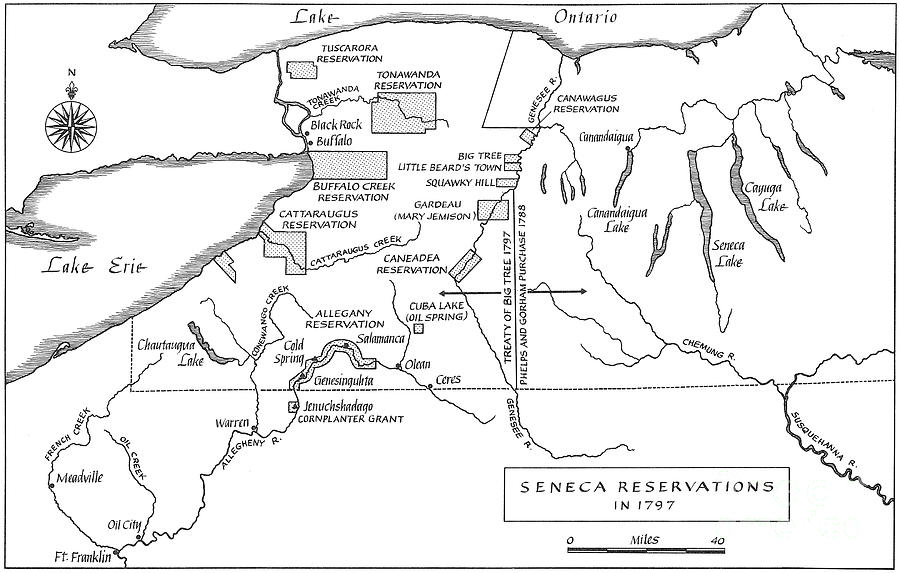
The arrival of European settlers brought profound changes and conflicts over land. The Seneca Nation engaged in numerous treaties with colonial powers and, later, the United States government. Key among these is the Treaty of Canandaigua of 1794, which affirmed Seneca land rights and established a lasting peace and friendship between the Seneca Nation and the United States, a treaty still honored today.
Despite these agreements, the Seneca Nation faced immense pressure for land cessions throughout the 19th century. The Treaty of Buffalo Creek in 1838, though controversial and later partially repudiated, attempted to relocate the entire Nation westward, highlighting the persistent challenges to their sovereignty and land tenure.
A more recent challenge arose in the 1960s with the construction of the Kinzua Dam. This federal project, despite the Treaty of Canandaigua, flooded over 10,000 acres of the Allegany Reservation, displacing hundreds of Seneca families and submerging vital cultural and ancestral lands. This event remains a poignant reminder of the sacrifices and resilience of the Seneca people.
The Allegany and Cattaraugus Reservations: Heartlands of the Nation
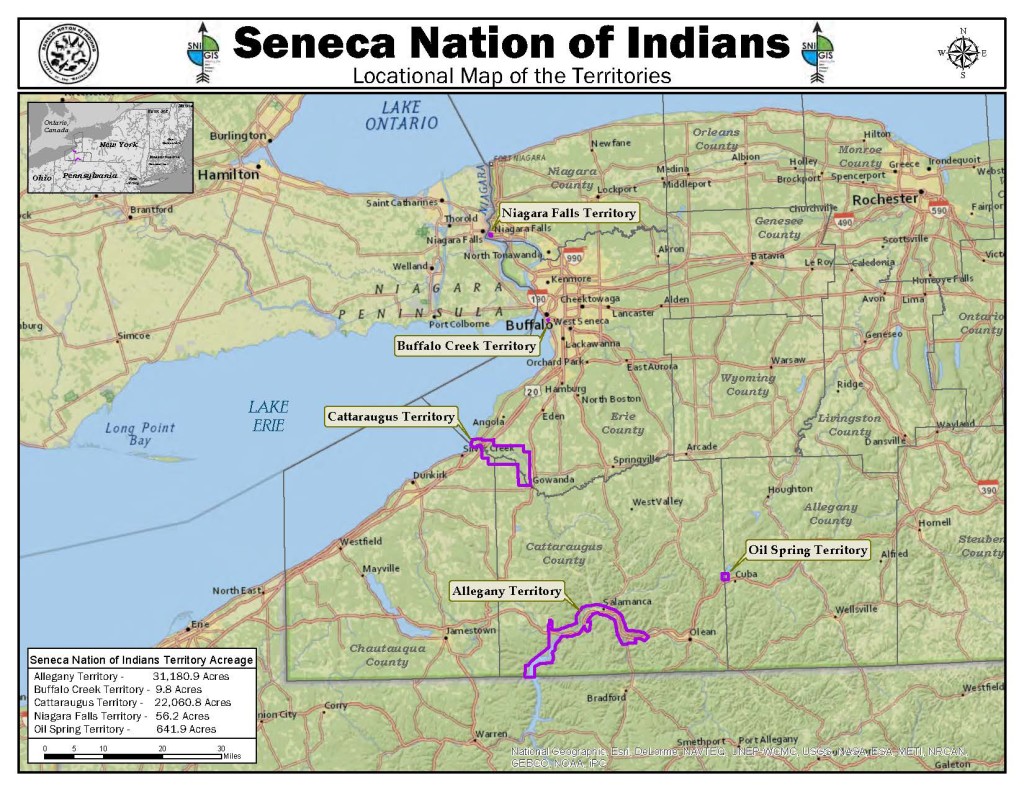
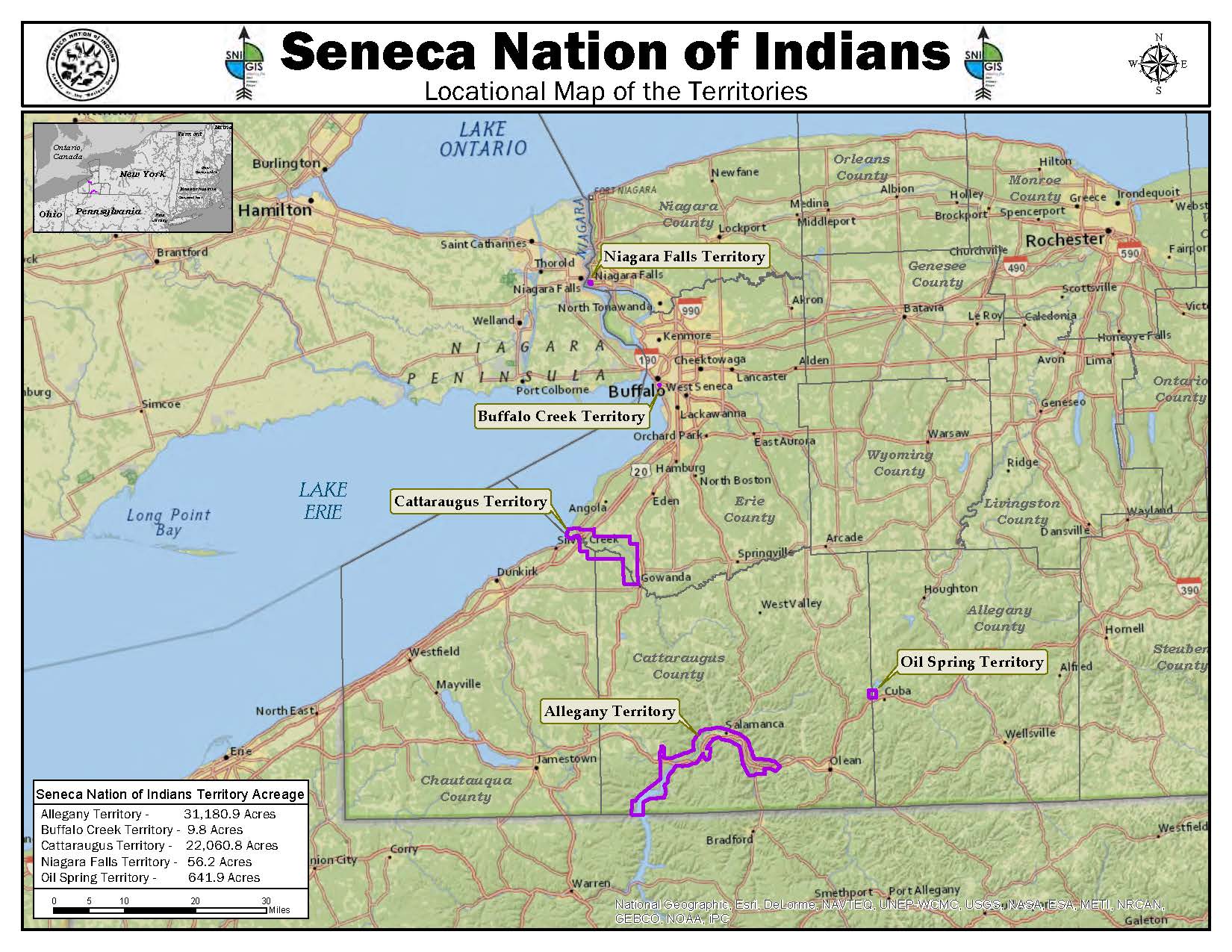
Today, the Seneca Nation of Indians primarily resides on two distinct reservations: the Allegany Reservation and the Cattaraugus Reservation. These lands are not merely geographical locations but represent the enduring spirit and cultural continuity of the Seneca people.
The Allegany Reservation, located in Cattaraugus County, New York, is home to the city of Salamanca, the only city in the United States located entirely within an Indian reservation. This unique arrangement involves long-term leases for non-Native residents and businesses, underscoring the Nation’s jurisdiction over the land.
The Cattaraugus Reservation, situated south of Buffalo, New York, spans parts of Cattaraugus, Chautauqua, and Erie counties. It serves as another vital hub for Seneca community life, government operations, and economic activities. Both reservations offer a blend of natural beauty, residential areas, and commercial enterprises.
Governance and Sovereignty: A Nation Within a Nation
The Seneca Nation operates as a sovereign government, exercising inherent rights to self-governance recognized by treaties and federal law. Their governmental structure includes an elected President, Treasurer, Clerk, and a Tribal Council, which serves as the legislative body. They also maintain their own judicial system.

This sovereignty means the Nation has the authority to establish and enforce its own laws, manage its lands and resources, and provide essential services to its citizens. This includes law enforcement, healthcare, education, social services, and infrastructure development, all vital aspects of a functioning government.
The concept of sovereignty is central to the Seneca Nation’s identity and future. It allows them to protect their cultural heritage, pursue economic self-sufficiency, and advocate for the well-being of their people on their own terms, rather than being solely dependent on external governmental bodies.
Economic Development: Building a Sustainable Future
In recent decades, the Seneca Nation has strategically pursued economic development to create jobs, generate revenue, and improve the quality of life for its citizens. A cornerstone of this strategy has been the establishment of the Seneca Gaming Corporation, which operates several successful casino properties.
These gaming ventures, including Seneca Niagara Resort & Casino, Seneca Allegany Resort & Casino, and Seneca Buffalo Creek Casino, have transformed the economic landscape of the Nation and the surrounding Western New York region. They provide significant employment opportunities and contribute substantially to the Nation’s general fund, supporting various governmental programs and services.
Beyond gaming, the Nation also engages in other commercial activities, including retail businesses, gas stations, and tobacco sales. These enterprises further diversify their economic base and create a robust framework for financial independence and community reinvestment.
Cultural Preservation and Education: Keeping Traditions Alive
Preserving their rich cultural heritage is a paramount focus for the Seneca Nation. Efforts are continuously made to revitalize the Seneca language, which is an integral part of their identity. Language immersion programs and educational initiatives are crucial in transmitting this vital aspect of their culture to younger generations.
Traditional ceremonies, dances, music, and storytelling remain vibrant components of Seneca life. The Nation actively supports cultural centers and events that celebrate their history, arts, and spiritual practices, ensuring that these traditions continue to thrive and evolve.
Education is also highly valued, with the Nation providing resources and support for its citizens from early childhood through higher education. This commitment to learning empowers individuals while strengthening the community’s overall capacity and future leadership.
Challenges and Resilience: Facing the Future
Despite their successes, the Seneca Nation continues to face challenges, including ongoing jurisdictional disputes with state and local governments, land claim issues, and the need for continued economic diversification. Social issues, common to many communities, are also addressed through comprehensive tribal programs.
The legacy of the Kinzua Dam also serves as a perpetual reminder of the need to protect treaty rights and ancestral lands. However, through all these challenges, the Seneca Nation has demonstrated remarkable resilience, adapting to new circumstances while holding firm to their core values and identity.
Visiting the Seneca Nation Reservations
Visitors are generally welcome on the Seneca Nation reservations, particularly at their commercial establishments and public venues. It is important to remember that these are sovereign territories with their own laws and customs. Respectful engagement, adherence to local regulations, and an appreciation for their culture are always encouraged.
From exploring the vibrant gaming facilities to learning about their rich history at cultural centers, engaging with the Seneca Nation provides a unique opportunity to understand a living, thriving Native American culture.
Conclusion: A Living Legacy of Self-Determination
The Seneca Nation of Indians Reservation is far more than just a geographical location; it is a dynamic, self-governing entity with a profound history and a promising future. Their journey, marked by perseverance through adversity and a steadfast commitment to sovereignty, offers invaluable lessons in cultural preservation, economic innovation, and self-determination.
As the ‘Keepers of the Western Door,’ the Seneca Nation continues to guard its heritage, build a prosperous future for its citizens, and contribute significantly to the cultural and economic tapestry of Western New York and beyond. Their story is an ongoing testament to the strength of the human spirit and the enduring power of a people united by common ancestry and shared aspirations.


