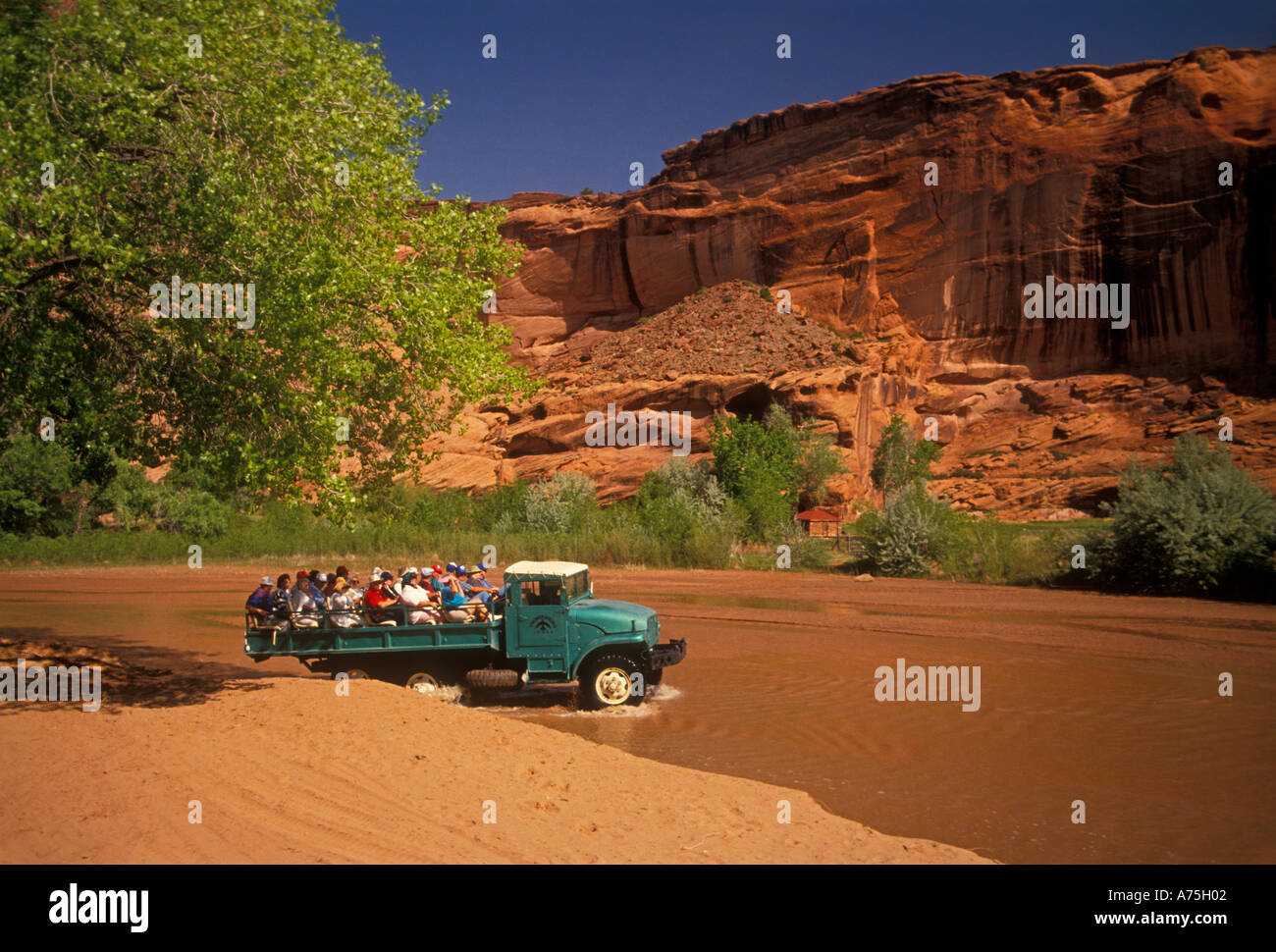

Indian Reservations offer a unique opportunity to experience and learn about Native American culture, history, and traditions firsthand. While guided tours led by tribal members provide invaluable insights, self-guided tours allow for independent exploration at your own pace. This comprehensive guide will help you plan a respectful and enriching self-guided tour of Indian Reservations, ensuring you make the most of your visit while honoring the communities you encounter.
Understanding the Significance of Indian Reservations
Before embarking on your self-guided tour, it’s crucial to understand the historical and cultural significance of Indian Reservations. These lands were established through treaties and federal legislation, often resulting in displacement and hardship for Native American tribes. Today, reservations serve as sovereign territories where tribes maintain their own governments, laws, and cultural practices. Respecting this sovereignty is paramount during your visit.
Planning Your Self-Guided Tour
1. Research and Choose a Reservation: Start by researching different Indian Reservations that offer self-guided tour options. Consider your interests, such as history, art, nature, or cultural events. Popular destinations include the Navajo Nation, Hopi Reservation, and Pine Ridge Reservation, but many smaller reservations also offer unique experiences. Check the official website of the tribe or reservation for visitor information, including maps, permitted areas, and any required permits.
2. Check for Permits and Regulations: Many reservations require permits for activities such as hiking, camping, photography, and fishing. Some areas may be restricted to tribal members only. Always check the specific regulations of the reservation you plan to visit and obtain any necessary permits in advance. Failure to do so could result in fines or expulsion from the reservation.
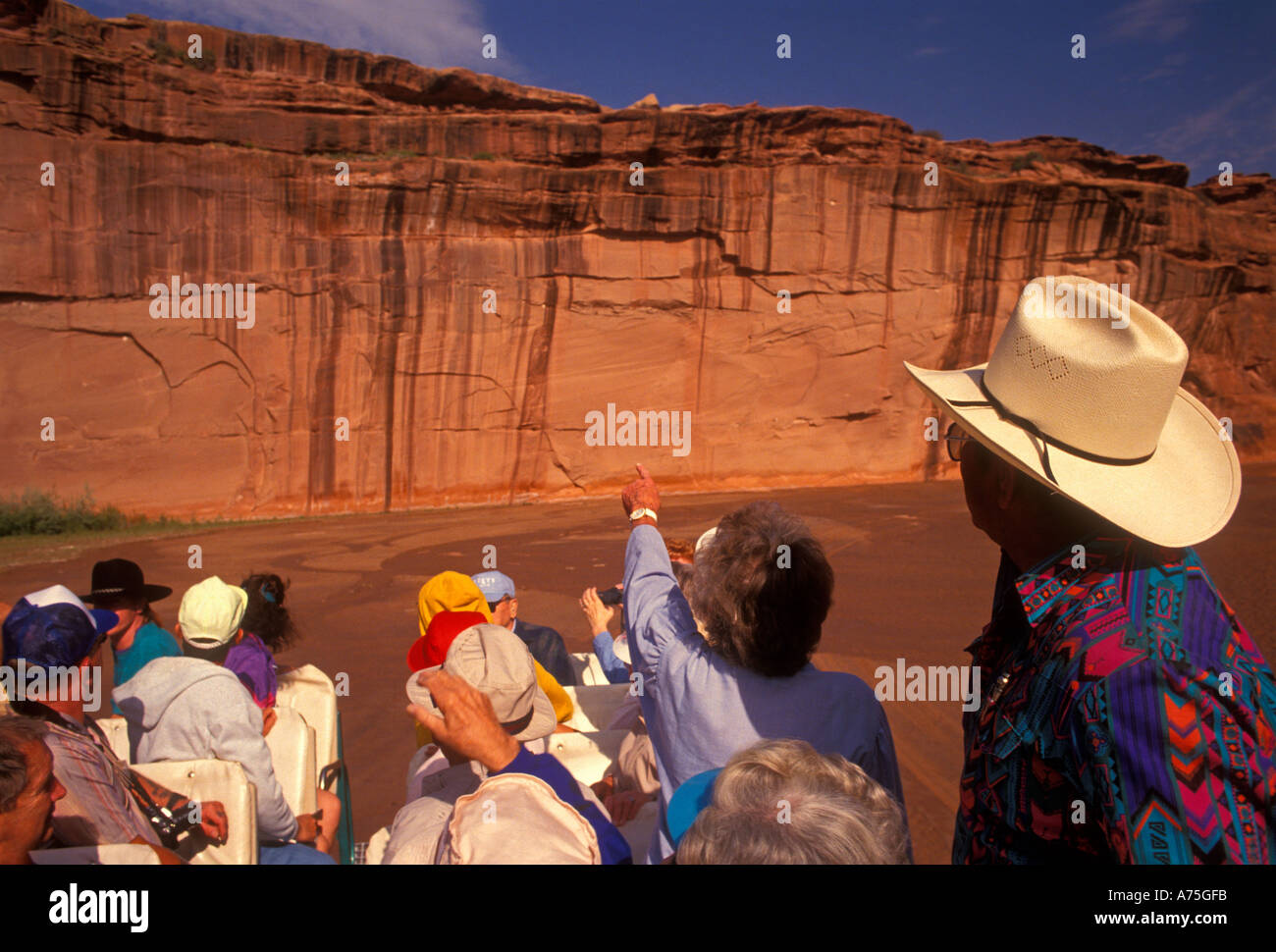
3. Plan Your Route and Itinerary: Use maps and visitor guides to plan your route and itinerary. Identify points of interest, such as historical sites, museums, cultural centers, and natural landmarks. Consider the distances between locations and the time required to travel between them. Be prepared for unpaved roads and limited services in some areas.
4. Respect Tribal Lands and Culture: When planning your tour, prioritize respectful engagement with the land and its people. Learn about the specific cultural protocols of the tribe you are visiting. Dress modestly, avoid loud or disruptive behavior, and refrain from taking photographs of people or sacred sites without permission. Remember that you are a guest on their land.
5. Support Local Businesses: Whenever possible, support local businesses owned and operated by tribal members. This can include purchasing souvenirs, eating at local restaurants, and staying at tribal-owned accommodations. Your economic contribution helps support the community and its cultural preservation efforts.
What to Expect on Your Visit
1. Cultural Sensitivity: Be prepared to encounter different cultural norms and customs. Observe respectfully and be mindful of your behavior. If you are unsure about something, ask a tribal member for clarification. Avoid making assumptions or stereotypes about Native American culture.
2. Limited Amenities: Many Indian Reservations have limited amenities, such as gas stations, restaurants, and restrooms. Plan accordingly by bringing plenty of water, snacks, and fuel. Be prepared for basic facilities and services.
3. Road Conditions: Road conditions on Indian Reservations can vary widely. Some roads may be paved and well-maintained, while others may be unpaved, rough, and difficult to navigate. Check the road conditions before you travel and be prepared for challenging driving conditions. A high-clearance vehicle may be necessary in some areas.
4. Communication: Communication can be challenging in some areas due to limited cell phone coverage and internet access. Inform someone of your itinerary and expected return time. Carry a map and compass or GPS device, and be prepared to navigate without electronic assistance.
5. Interaction with Tribal Members: Be respectful and courteous when interacting with tribal members. Introduce yourself and explain your interest in their culture. Ask questions politely and listen attentively to their responses. Avoid asking personal or intrusive questions.

Responsible Tourism Practices
1. Leave No Trace: Practice Leave No Trace principles by packing out everything you pack in, staying on marked trails, and avoiding disturbing natural or cultural resources. Dispose of trash properly and minimize your impact on the environment.
2. Respect Sacred Sites: Many Indian Reservations contain sacred sites that are of great cultural and spiritual significance to tribal members. Respect these sites by avoiding them or following any guidelines provided by the tribe. Refrain from touching or disturbing any artifacts or objects.
3. Ask Permission Before Photographing: Always ask permission before taking photographs of people or sacred sites. Some tribal members may not want to be photographed for religious or personal reasons. Respect their wishes and refrain from taking photographs without their consent.
4. Learn About Tribal History and Culture: Take the time to learn about the history and culture of the tribe you are visiting. Read books, visit museums, and attend cultural events to gain a deeper understanding of their traditions and beliefs. This will enhance your experience and foster a greater appreciation for Native American culture.
5. Support Tribal Sovereignty: Support tribal sovereignty by respecting tribal laws and regulations, advocating for tribal rights, and promoting economic development in tribal communities. Your actions can help empower tribes and ensure their self-determination.
Frequently Asked Questions (People Also Ask)
1. Is it safe to visit an Indian Reservation on a self-guided tour?
Yes, generally, it is safe to visit Indian Reservations. However, it’s essential to be respectful of the local culture and customs. Stick to designated tourist areas, follow posted rules and regulations, and be mindful of your surroundings. Always check with the tribal authorities for any specific safety guidelines or advisories before your visit. Also be aware of the emergency services available.
2. What are some popular Indian Reservations for self-guided tours?
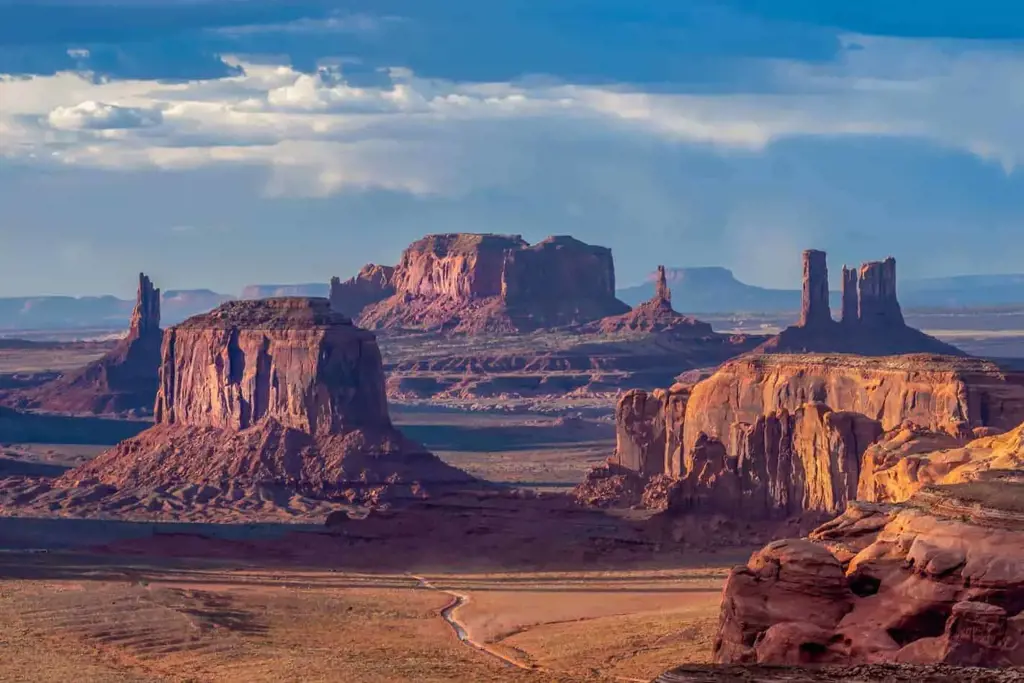
Some popular reservations include the Navajo Nation (Arizona, New Mexico, Utah), known for its stunning landscapes like Monument Valley; the Hopi Reservation (Arizona), famous for its ancient villages and rich cultural traditions; and the Pine Ridge Reservation (South Dakota), offering insights into Lakota history and culture.
3. Are there any fees or permits required to visit Indian Reservations?
Many reservations require permits for activities like hiking, camping, and fishing. Some areas may have entrance fees. Always check the specific regulations of the reservation you plan to visit and obtain any necessary permits in advance. These fees often support the maintenance and preservation of the reservation’s resources.
4. What should I wear when visiting an Indian Reservation?
Dress modestly and respectfully. Avoid wearing revealing clothing or clothing with offensive slogans or images. Comfortable walking shoes are recommended, as you may be doing a lot of walking. Consider the weather conditions and dress accordingly.
5. Can I take photographs on an Indian Reservation?
Always ask permission before taking photographs of people or sacred sites. Some tribal members may not want to be photographed for religious or personal reasons. Respect their wishes and refrain from taking photographs without their consent. Look for signs indicating whether photography is allowed in certain areas.
6. What is the best time of year to visit an Indian Reservation?
The best time of year to visit depends on the specific reservation and your interests. Spring and fall offer mild temperatures and pleasant weather for outdoor activities. Summer can be hot, especially in desert regions. Winter can be cold and snowy, but it can also be a beautiful time to experience the landscape. Check the weather forecast and plan accordingly.
Conclusion
Embarking on a self-guided tour of an Indian Reservation can be a deeply enriching and educational experience. By planning your trip carefully, respecting tribal lands and culture, and supporting local businesses, you can ensure that your visit is both enjoyable and beneficial to the community. Remember to research the specific reservation you plan to visit, obtain any necessary permits, and be prepared for limited amenities and challenging road conditions. With a spirit of respect and curiosity, your self-guided tour will provide lasting memories and a greater appreciation for Native American culture and heritage. Safe travels!
LSI Keywords: Native American tourism, tribal lands exploration, reservation travel guide, cultural sensitivity, responsible travel, indigenous culture, tribal sovereignty, historical sites, cultural centers, natural landmarks, travel permits, camping, hiking, photography, tribal businesses, cultural events.


