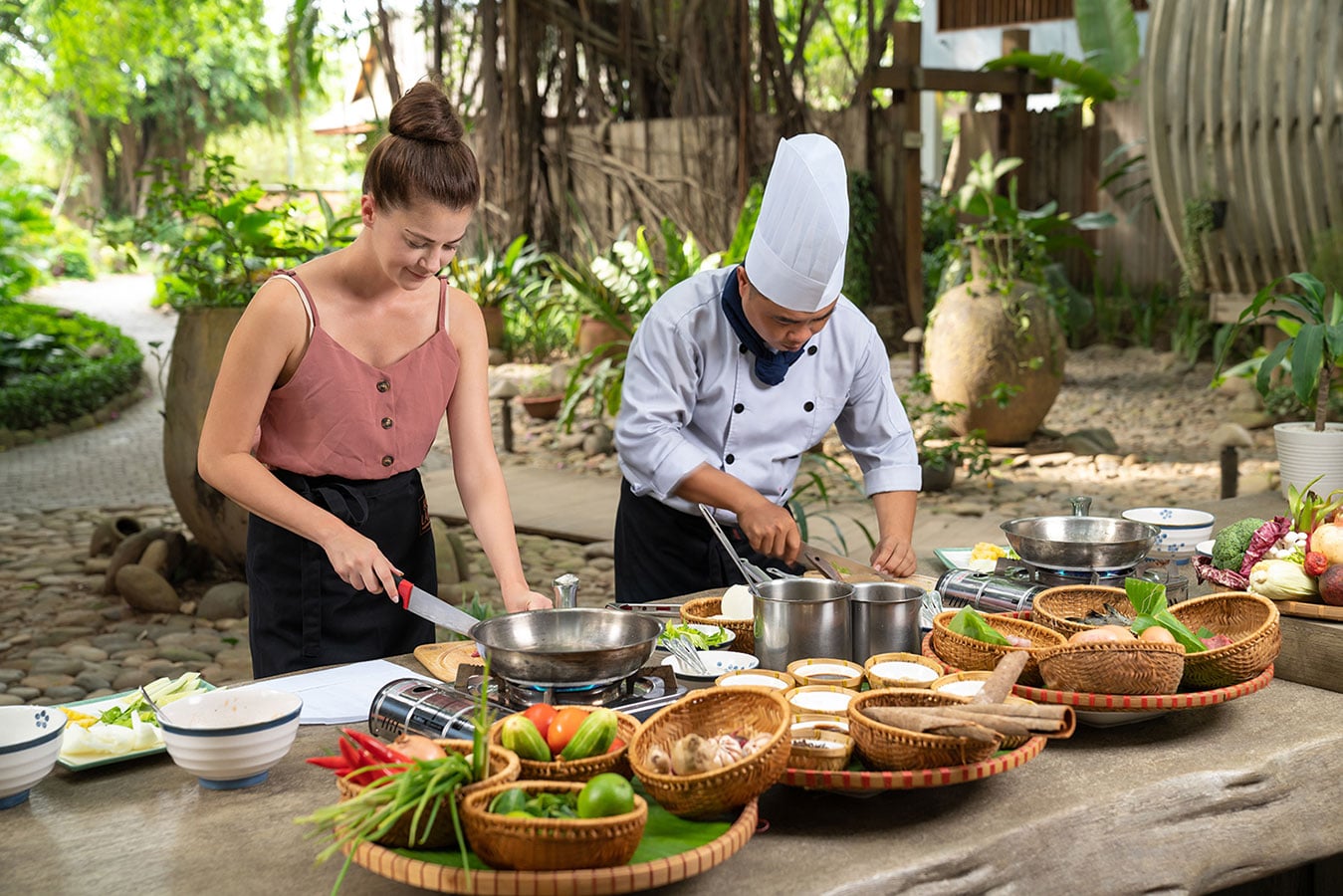

Embarking on a culinary journey often leads to unexpected and enriching discoveries. For those seeking a deeper connection to history, culture, and the land, traditional food cooking classes offered on Indigenous reservations present an unparalleled opportunity. These unique experiences go far beyond simply learning recipes; they are immersive cultural exchanges that celebrate the enduring legacy of Native American gastronomy.
The concept of ‘traditional food’ within Indigenous cultures is deeply intertwined with identity, spirituality, and the environment. These are not just meals; they are narratives of survival, resilience, and profound respect for nature’s bounty. Learning to prepare these foods offers a window into centuries of wisdom, passed down through generations.
Understanding the Essence of Traditional Indigenous Foods
Traditional Indigenous foods are typically those that were cultivated, gathered, hunted, or fished by Native peoples before European colonization. They are often localized, seasonal, and embody a holistic approach to nutrition and sustainability. Ingredients like corn, beans, squash (the ‘Three Sisters’), wild rice, bison, salmon, berries, and various root vegetables form the bedrock of many Indigenous diets.
These foods are not merely ingredients but symbols of food sovereignty, cultural continuity, and a deep connection to ancestral lands. The methods of preparation, often involving open fires, stone tools, and specific harvesting techniques, are as significant as the ingredients themselves.
Why Cooking Classes on Reservations Are So Important


Offering cooking classes on reservations serves multiple vital purposes. Firstly, they are powerful tools for cultural preservation, ensuring that traditional knowledge and culinary techniques are not lost to time but actively taught and celebrated. Secondly, they provide economic opportunities for tribal communities, supporting local initiatives and directly benefiting Indigenous peoples.
Furthermore, these classes foster cultural exchange and understanding. They allow non-Indigenous participants to learn directly from Native elders and culinary experts, dispelling misconceptions and building bridges of respect and appreciation. For Indigenous youth, they reinforce a sense of pride and connection to their heritage.
What to Expect: A Hands-On Cultural Immersion
Beyond the cooking, these classes are often rich with storytelling, historical context, and insights into the spiritual significance of the foods. You might learn about foraging practices, sustainable harvesting, or the medicinal properties of certain plants. It’s a holistic educational experience that engages all senses.
Diverse Cuisines: A Taste of Regional Richness
In the Great Lakes region, wild rice is a staple, often prepared with game meat or cranberries. The Plains nations might feature bison stew or pemmican. Each class offers a unique regional flavor profile and a glimpse into the specific traditions of the host tribe.
- Three Sisters Stew: A hearty and nutritious dish made from corn, beans, and squash, symbolizing agricultural harmony.
- Fry Bread: A popular, albeit historically complex, staple often served at powwows and community gatherings, typically with sweet or savory toppings.
- Bison or Venison Dishes: Learning to prepare wild game in traditional ways, often slow-cooked or roasted.
- Wild Rice Pilaf: A delicious and culturally significant grain, often combined with mushrooms, nuts, or dried fruit.
- Sourdough or Bannock Bread: Indigenous versions of leavened breads, often cooked over an open fire or in a Dutch oven.
- Berry Desserts: Utilizing local berries like chokecherries, huckleberries, or cranberries in pies, sauces, or puddings.
Finding Authentic Cooking Class Experiences
Locating these authentic experiences requires a bit of research, but the effort is well worth it. Start by looking at tribal cultural centers, museums, or tourism offices directly associated with specific reservations. Many Indigenous-led tourism initiatives are emerging, offering direct access to these programs.


Online platforms dedicated to Indigenous tourism or cultural experiences are also good resources. Always prioritize classes run directly by tribal members or organizations to ensure authenticity and that your support directly benefits the community.
Supporting Indigenous Food Sovereignty and Economic Empowerment
By participating in these cooking classes, you are directly contributing to the Indigenous food sovereignty movement. This movement aims to restore and strengthen Indigenous control over their food systems, promoting healthy, culturally appropriate, and sustainably produced foods.
Your financial contribution supports local economies, helps fund cultural preservation efforts, and provides meaningful employment opportunities for tribal members. It’s an investment in a vibrant future for Indigenous communities and their invaluable heritage.
Can non-Indigenous people attend these classes? Yes, absolutely! Most classes are open to everyone who approaches the experience with respect and an open mind, eager to learn and engage in cultural exchange.
Are the ingredients easily accessible? Many classes focus on ingredients that can be found locally or at specialty stores. However, some traditional ingredients might be unique to the region. The emphasis is often on understanding the spirit of the dish and adapting with respect.
Is it a sustainable practice? Yes, sustainability is often at the core of traditional Indigenous food practices. You’ll likely learn about respectful harvesting, minimizing waste, and the interconnectedness of food systems with the environment.
What about dietary restrictions? It’s always best to inquire with the class organizers beforehand. Many traditional dishes are naturally gluten-free or can be adapted, and vegetarian options might be available depending on the specific cuisine.
Beyond the Kitchen: A Deeper Connection
The learning doesn’t stop when the cooking is done. Many participants report a profound shift in their understanding of food, culture, and history. You might find yourself inspired to explore Indigenous literature, art, or even learn a few words of a Native language.
These experiences foster a deeper appreciation for the land, the importance of community, and the resilience of Indigenous peoples. It’s a journey that nourishes not just the body, but also the mind and spirit.
Conclusion: A Culinary Bridge to Cultural Understanding
Traditional food cooking classes on reservations offer more than just a recipe; they offer a story, a history, and a connection to a living culture. They are powerful conduits for cultural preservation, economic empowerment, and meaningful cross-cultural dialogue.
By choosing to participate in these authentic experiences, you are not only gaining invaluable culinary skills but also becoming an ally in the ongoing effort to honor, celebrate, and sustain Indigenous heritage for generations to come. Seek out these opportunities, and allow your palate, and your heart, to be opened to the richness of Native American cuisine.


