Nestled along the verdant banks of the Rio Grande in Northern New Mexico, Santa Clara Pueblo stands as a testament to enduring heritage, artistic brilliance, and profound cultural resilience. This sovereign nation, one of the nineteen Pueblos in New Mexico, offers a captivating glimpse into a living history that spans millennia, inviting visitors to understand and appreciate its deep-rooted traditions.
The Santa Clara Pueblo reservation, formally known as Kha’p’o Owinge in the Tewa language, meaning ‘where the wild roses grow near the water,’ is more than just a geographic location; it is a vibrant community where ancient customs thrive alongside modern life. Its people, the Kha’p’o, are direct descendants of those who inhabited the region’s ancestral lands for thousands of years, carrying forward a legacy passed down through countless generations.
A Glimpse into Ancient Roots and Enduring History
The history of Santa Clara Pueblo is deeply intertwined with the landscape of the Española Valley. Archaeological evidence suggests continuous habitation in the region dating back to 1100 A.D., with the Pueblo itself established around 1550 A.D. The ancestors of the Santa Clara people were skilled farmers, hunters, and artisans, living in harmony with their environment.
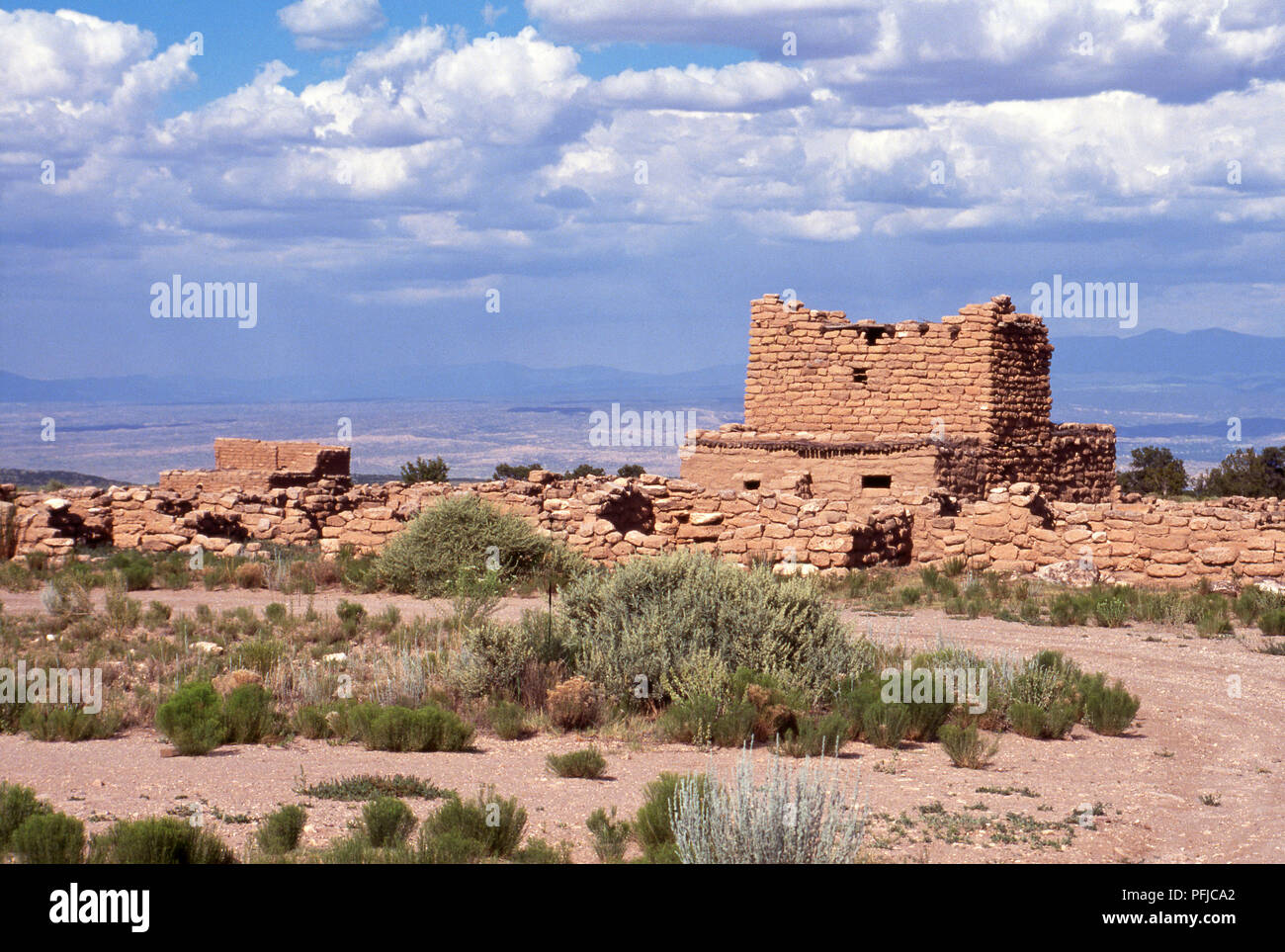
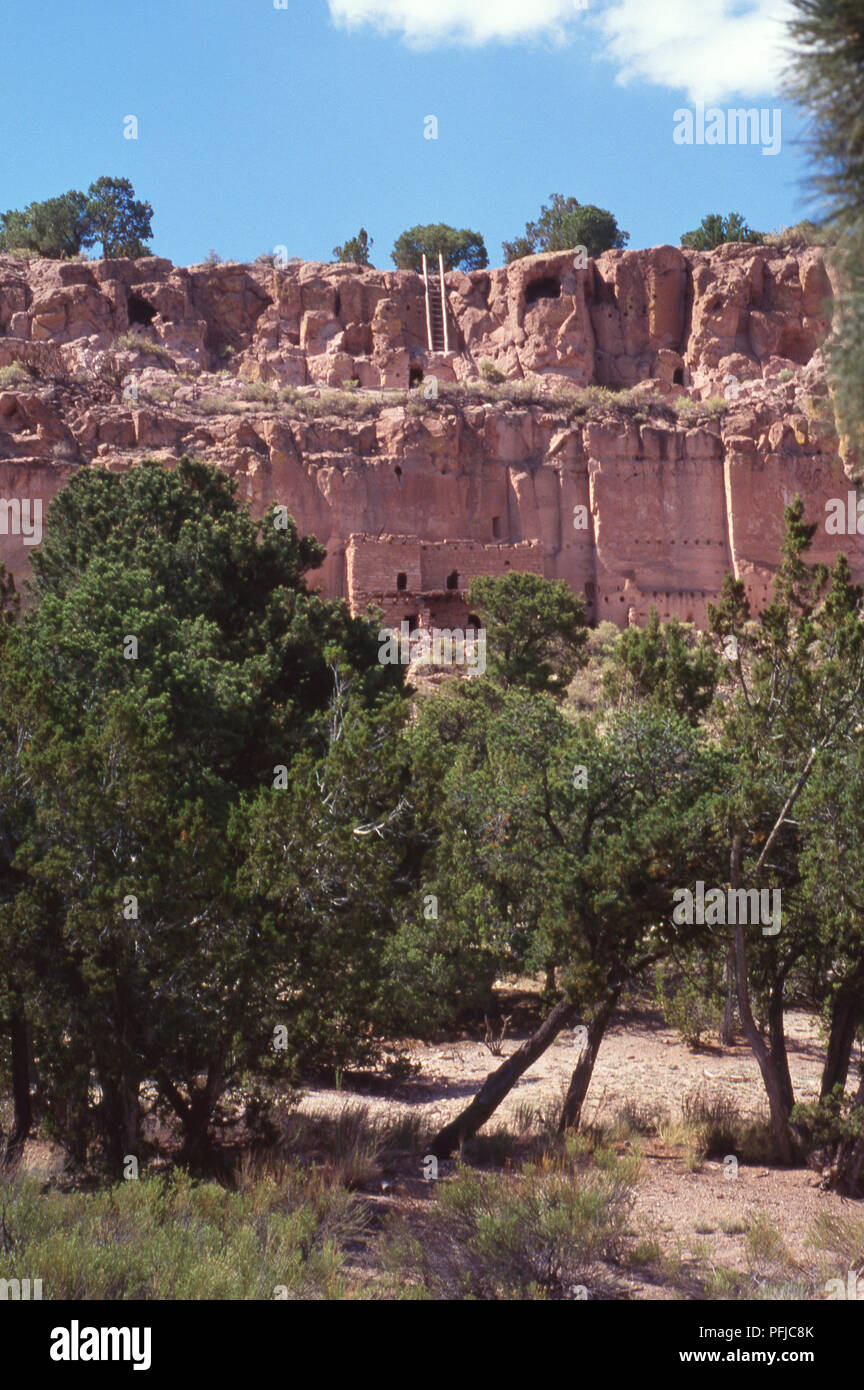
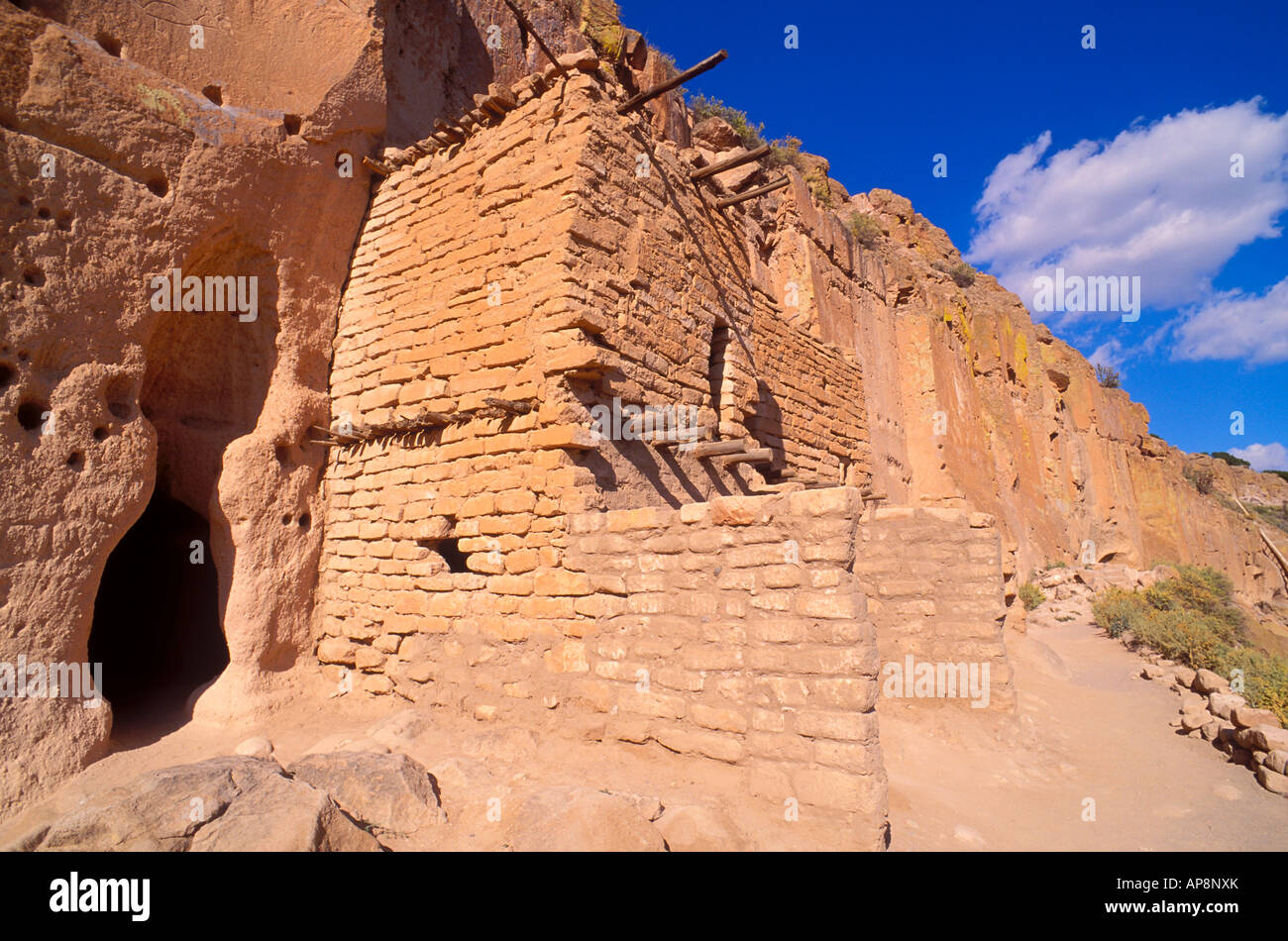
One of the most significant ancestral sites associated with Santa Clara Pueblo is the Puye Cliff Dwellings. Located on Santa Clara Pueblo land, these remarkable ruins offer a powerful connection to the past, showcasing multi-story cliff and cave dwellings carved into the volcanic tuff. Puye served as a major ancestral home for the Santa Clara people until around 1500 A.D., before they moved to the present-day pueblo site.
The arrival of the Spanish in the late 16th century brought profound changes. Despite attempts at colonization and forced conversion, the Tewa people, including those of Santa Clara, fiercely protected their cultural and spiritual practices. This resistance culminated in the 1680 Pueblo Revolt, a pivotal moment in Native American history where Pueblos united to expel the Spanish for a period.
Following the reconquest, the Pueblos negotiated a more independent status, allowing them to retain significant aspects of their traditional governance and religion. This period cemented the unique blend of cultural resilience and adaptation that defines Santa Clara Pueblo today.
The Heart of Santa Clara: Culture and Tradition
Culture is the lifeblood of Santa Clara Pueblo. The Tewa language remains a vital part of daily life, taught to younger generations to ensure its survival. Traditional ceremonies, often held in the kivas – sacred underground chambers – are central to spiritual life, connecting the community to their ancestors and the natural world.
Public ceremonial dances, such as the Corn Dance or Buffalo Dance, are vibrant expressions of faith, gratitude, and community solidarity. These events, rich with intricate regalia, ancient songs, and rhythmic drumming, are deeply spiritual and offer a profound insight into Pueblo worldview. While some ceremonies are private, certain dances are open to respectful visitors, providing a unique cultural experience.
Respect for elders, communal living, and a deep connection to the earth are fundamental values that underpin Santa Clara society. The annual cycle of agricultural activities, from planting to harvest, is celebrated with specific rituals and dances, reflecting their agrarian heritage.
Artistry and Craftsmanship: The Legacy of Santa Clara Pottery
Santa Clara Pueblo is world-renowned for its exquisite pottery, a tradition passed down through generations of master artisans. The Pueblo’s pottery is distinctive, characterized by its smooth, highly polished surfaces and often intricate carved designs.
The two primary styles are Blackware and Redware. Blackware, achieved through a unique firing process that smothers the oxygen, results in a lustrous, obsidian-like finish. Redware, fired in an oxidizing atmosphere, yields rich, earthy red tones.
Santa Clara potters are celebrated for their distinctive carved designs, which often feature geometric patterns, bear claws, and Avanyu (the water serpent), a sacred symbol representing life-giving water. Each piece is hand-coiled, polished with a stone, and fired using traditional methods, making every pot a unique work of art.
Famous potters like Sara Fina Tafoya and her descendants, including Margaret Tafoya and Virginia E. Garcia, have elevated Santa Clara pottery to an international stage, influencing countless artists and preserving this vital cultural expression. Today, many contemporary Santa Clara artists continue to innovate while honoring traditional techniques.
Beyond pottery, Santa Clara artisans also create beautiful jewelry, textiles, and paintings, each reflecting their unique cultural aesthetic and connection to their ancestral lands.
Governance and Community Life
Santa Clara Pueblo is a self-governing nation with its own tribal government. The Pueblo operates under a traditional system, led by a Governor and a Tribal Council, who are responsible for the welfare of the community, legal matters, and cultural preservation. This self-determination allows the Pueblo to manage its resources and shape its future according to its own values and needs.
The tribal government plays a crucial role in providing essential services to its members, including healthcare, education, housing, and infrastructure development. Education is highly valued, with efforts focused on supporting youth in both traditional knowledge and modern academic pursuits.
Economy and Sustainable Development
The economy of Santa Clara Pueblo is diverse, with tourism and the sale of traditional arts and crafts forming a significant component. The Pueblo actively promotes cultural tourism, inviting visitors to experience its heritage while ensuring respect for its sacred sites and traditions.
The Puye Cliff Dwellings, managed by the Pueblo, are a major tourist attraction, offering guided tours that educate visitors about the history and culture of the Santa Clara people. The Pueblo also hosts various markets and events where artists can sell their work directly to the public, fostering economic opportunities within the community.
In addition to arts and tourism, the Pueblo engages in other economic ventures to support its community, always with an eye towards sustainable development that respects their land and traditions.
Visiting Santa Clara Pueblo: A Guide for Travelers
- Respect Privacy: Do not photograph individuals, homes, or ceremonial dances without explicit permission. Some areas may be restricted.
- Observe Signage: Pay attention to signs regarding restricted areas or photography policies.
- Support Local Artists: Purchase pottery and crafts directly from the artists, ensuring your money directly benefits the community.
- Be Mindful: Dress modestly, speak softly, and participate respectfully in any public events.
- Learn Before You Go: Research Pueblo etiquette and history to enhance your understanding.
The Santa Clara Pueblo Tribal Office or Cultural Center can provide up-to-date information on visiting guidelines, public events, and tour opportunities for the Puye Cliff Dwellings. The Pueblo is located approximately 1.5 miles south of Española, making it an accessible destination for those exploring Northern New Mexico.
Challenges and Resilience
Like many indigenous communities, Santa Clara Pueblo faces contemporary challenges, including economic development, healthcare access, and the ongoing work of cultural preservation in a rapidly changing world. However, the Pueblo’s long history of resilience and self-determination continues to guide its path forward.
Efforts to preserve the Tewa language, encourage traditional arts, and maintain sacred ceremonies are paramount. The community actively engages in programs designed to empower its youth, ensuring that future generations remain connected to their rich heritage while also pursuing educational and professional opportunities.
The Future of Santa Clara Pueblo
The future of Santa Clara Pueblo is rooted in its past. By honoring ancestral knowledge, fostering artistic innovation, and embracing sustainable practices, the community continues to thrive. Its commitment to self-governance, cultural integrity, and environmental stewardship serves as an inspiring model.
Through education, community engagement, and the continued creation of breathtaking art, Santa Clara Pueblo ensures that its unique story and vibrant culture will continue to enrich the world for centuries to come.


