
Embarking on an RV adventure offers unparalleled freedom and the opportunity to connect with nature. For those seeking a truly unique experience, consider exploring RV parks located on Native American reservations. These parks offer more than just a place to park your RV; they provide a chance to immerse yourself in rich cultures, witness breathtaking landscapes, and support tribal communities.
This comprehensive guide will delve into the world of RV parks on Indian reservations, covering everything from what to expect to how to plan your visit responsibly. Whether you’re a seasoned RVer or a first-time traveler, this information will help you make the most of your journey.
Why Choose RV Parks on Native American Reservations?
Cultural Immersion
One of the primary draws is the opportunity for cultural immersion. Many RV parks are located near cultural centers, museums, and historical sites that showcase the traditions, history, and artistry of the resident tribe. Engage with local artisans, attend cultural events (such as powwows), and learn about the tribe’s unique heritage firsthand. This offers a richer, more meaningful travel experience than typical tourist destinations.
Stunning Landscapes


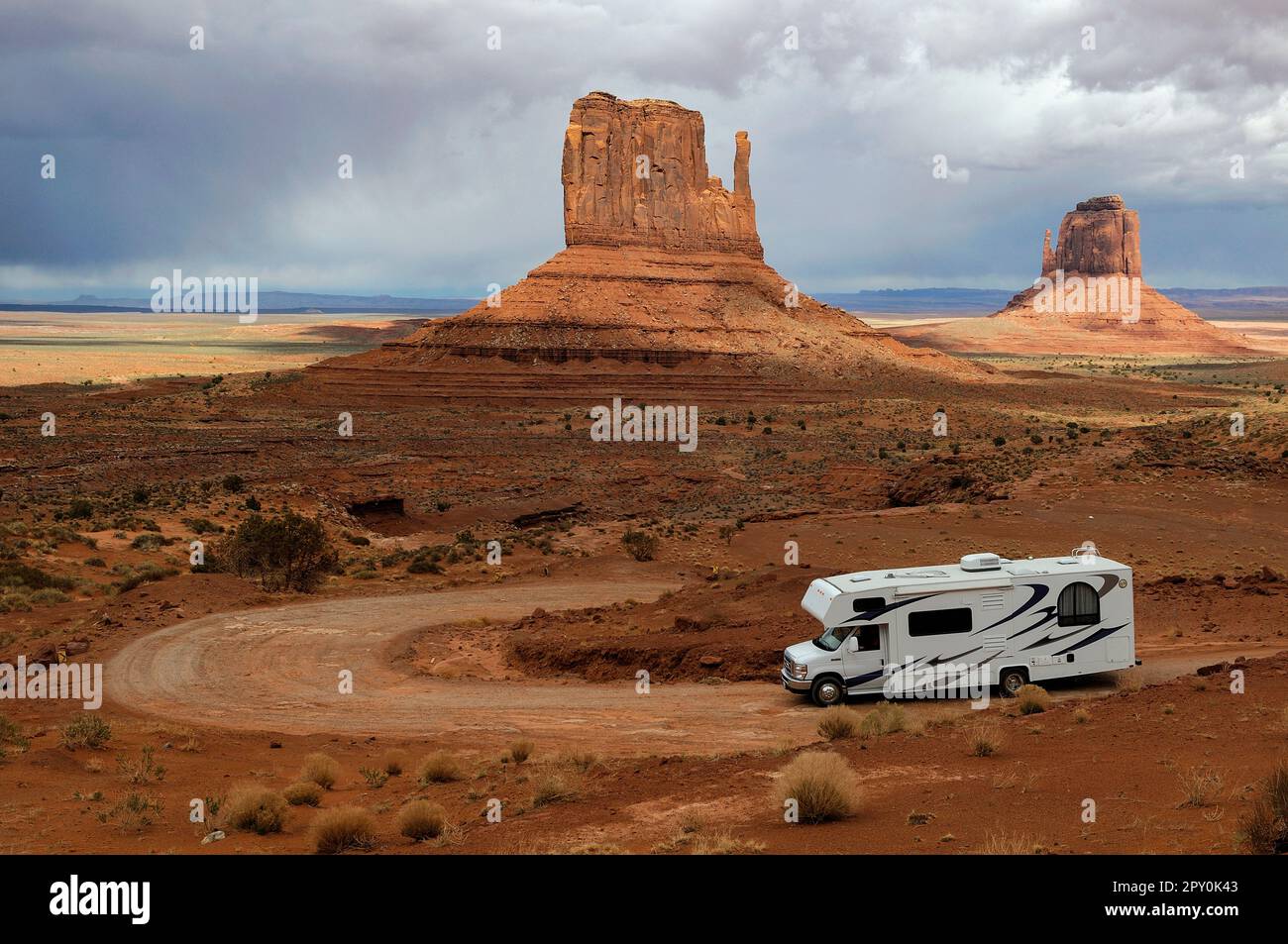
Native American reservations often encompass some of the most beautiful and untouched landscapes in the United States. From the red rock canyons of the Southwest to the lush forests of the Pacific Northwest, you’ll find diverse and awe-inspiring scenery. RV parks are often strategically located to provide stunning views and easy access to hiking trails, fishing spots, and other outdoor activities. Imagine waking up to the sunrise over Monument Valley or stargazing under the clear desert skies – these are experiences you won’t soon forget.
Supporting Tribal Communities
By choosing to stay at an RV park on a reservation, you’re directly supporting the economic development of the tribal community. The revenue generated from tourism helps fund essential services like education, healthcare, and infrastructure improvements. Your visit contributes to the self-sufficiency and well-being of the tribe. This aspect of responsible travel adds a deeper purpose to your RV adventure.
Unique Amenities and Experiences
While amenities can vary, many RV parks on reservations offer unique features that reflect the local culture and environment. You might find parks with traditional Native American architecture, cultural demonstrations, or access to guided tours led by tribal members. Some parks also offer opportunities for fishing, hunting, and other outdoor activities that are specific to the region and its tribal customs.
What to Expect at RV Parks on Indian Reservations
While the experience can be incredibly rewarding, it’s important to have realistic expectations and be prepared for some differences compared to privately-owned or corporate RV parks.
Varying Levels of Amenities
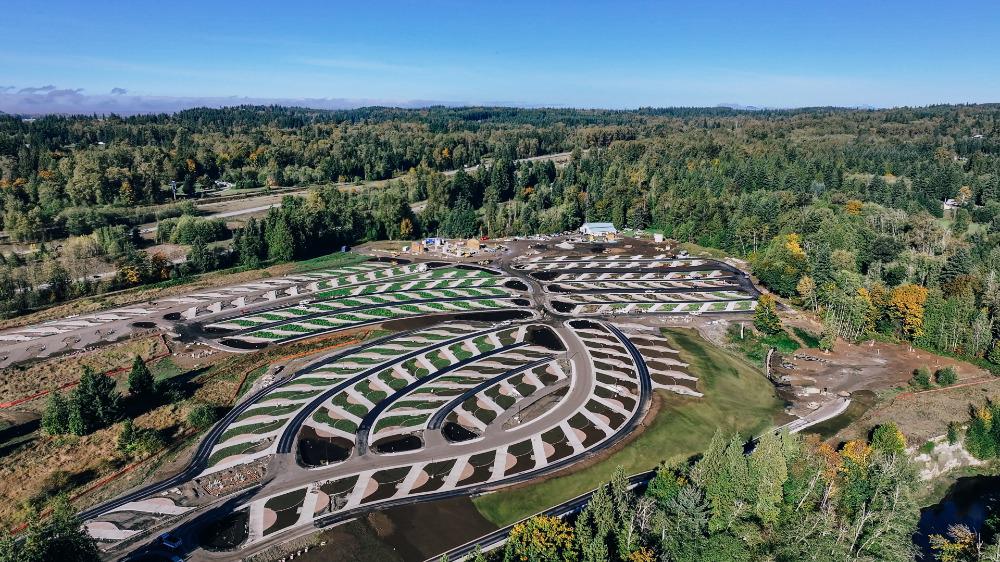
Amenities can range from basic to luxurious. Some parks offer full hookups (water, sewer, and electricity), Wi-Fi, restrooms, showers, and laundry facilities. Others may have more limited amenities, such as dry camping sites with access to a shared water source and pit toilets. Research the specific amenities offered by each park before you book to ensure they meet your needs.

Different Rules and Regulations
Each reservation has its own set of rules and regulations, which may differ from those you’re accustomed to. These rules might cover topics such as quiet hours, pet policies, alcohol consumption, and the use of recreational vehicles. Be sure to familiarize yourself with the local regulations before your arrival to avoid any misunderstandings or issues.
Cultural Sensitivity
It’s crucial to approach your visit with cultural sensitivity and respect. Remember that you’re a guest on tribal land, and it’s important to be mindful of local customs and traditions. Dress modestly, avoid taking photos without permission, and refrain from making assumptions about the tribe’s culture or beliefs. Show genuine interest in learning about their history and way of life.
Remote Locations
Many RV parks on reservations are located in remote areas, far from major cities and towns. This can be part of the appeal, offering peace and tranquility away from the crowds. However, it also means you’ll need to be prepared for limited access to services such as grocery stores, gas stations, and medical facilities. Stock up on supplies before you arrive and ensure your RV is in good working order.
Planning Your Trip: A Step-by-Step Guide
Research and Choose Your Destination
Start by researching different Native American reservations and identifying those that offer RV parks and align with your interests. Consider factors such as the location, scenery, cultural attractions, and available amenities. Websites like RV Park Reviews, Campendium, and individual tribal websites can provide valuable information.
Book in Advance
RV parks on reservations are often smaller and more intimate than commercial parks, which means they can fill up quickly, especially during peak season. It’s essential to book your site in advance to avoid disappointment. Contact the RV park directly to make your reservation and inquire about any specific requirements or restrictions.
Check for Permits and Licenses
Some reservations require permits or licenses for activities such as fishing, hunting, or hiking. Check with the tribal authorities or the RV park to determine if any permits are required for your planned activities. Obtain these permits in advance to avoid any legal issues.
Prepare Your RV
Ensure your RV is in good working order before you embark on your trip. Check the tires, brakes, fluids, and other essential components. Pack all the necessary supplies, including food, water, medications, and camping gear. Consider bringing extra fuel and a generator, especially if you’re planning to dry camp.
Respect Tribal Customs and Traditions
Before your visit, research the customs and traditions of the tribe whose land you’ll be visiting. Learn about their history, beliefs, and cultural practices. Be respectful of their sacred sites and avoid engaging in any behavior that could be considered offensive. Ask permission before taking photos of people or places.
Support Local Businesses
Support the local economy by purchasing goods and services from tribal-owned businesses. Visit tribal museums, art galleries, and craft shops. Eat at local restaurants and participate in cultural events. Your spending will help support the economic development of the community.
Popular RV Parks on Native American Reservations
-
Monument Valley Navajo Tribal Park (Arizona/Utah): Offers stunning views of the iconic Monument Valley and access to guided tours led by Navajo guides.
-
Leech Lake Tribal Campground (Minnesota): Located on the shores of Leech Lake, this campground offers fishing, boating, and other water activities.
-
Wind Creek State Park (Alabama): Managed in partnership with the Poarch Band of Creek Indians, this park features a beautiful lake and numerous recreational opportunities.
-
Chitimacha Tribal RV Park (Louisiana): Close to the Cypress Bayou Casino and offers a peaceful stay with full hookups.
Addressing Common Questions (People Also Ask)
Are RV parks on Indian reservations safe?
Generally, yes. RV parks on Indian reservations are typically safe places to stay. Tribal authorities have a vested interest in ensuring the safety and security of their guests. However, it’s always wise to take basic safety precautions, such as locking your RV doors and windows, securing your valuables, and being aware of your surroundings.
Can anyone stay at an RV park on a reservation?
Yes, most RV parks on reservations are open to the public. However, some may have specific requirements or restrictions, such as requiring visitors to obtain a tribal permit or follow certain cultural protocols. Check with the RV park directly to confirm their policies.
What is there to do on a Native American reservation?
The activities available on a Native American reservation vary depending on the location and the tribe. Common activities include visiting cultural centers and museums, attending powwows and other cultural events, hiking, fishing, hunting, and exploring historical sites. Some reservations also offer opportunities for gambling, golfing, and other recreational activities.
How can I be respectful of Native American culture?
To be respectful of Native American culture, it’s important to be mindful of local customs and traditions. Dress modestly, avoid taking photos without permission, and refrain from making assumptions about the tribe’s culture or beliefs. Show genuine interest in learning about their history and way of life. Support tribal-owned businesses and participate in cultural events.
Conclusion
RV parks on Native American reservations offer a unique and rewarding travel experience. By choosing to stay at these parks, you can immerse yourself in rich cultures, witness breathtaking landscapes, and support tribal communities. Remember to plan your trip carefully, respect local customs, and be prepared for a different kind of adventure. So, pack your bags, hitch up your RV, and get ready to discover the hidden gems of Native American reservations. Your journey awaits!
By understanding the nuances of RVing within these sovereign nations, travelers can forge meaningful connections with the land, its people, and the rich tapestry of Native American heritage. Embrace the opportunity to learn, grow, and contribute positively to the communities you visit. Safe travels!


