
Indigenous languages are the lifeblood of cultural identity, carrying millennia of knowledge, history, and unique worldviews. On Indian Reservations across North America, the valiant effort to revitalize these languages is not merely an academic pursuit; it is a profound act of cultural resilience, sovereignty, and healing.
For generations, Native American languages faced systemic suppression, particularly through forced assimilation policies like the notorious boarding school era. Children were often punished for speaking their native tongues, leading to a catastrophic decline in fluent speakers and creating a profound intergenerational trauma that continues to impact communities today.
The legacy of these policies means that many Indigenous languages are now critically endangered, with some having only a handful of elder speakers remaining. The urgency of language revitalization cannot be overstated; once a language is lost, an entire way of understanding the world, a unique cultural lens, is lost forever.
The Historical Context: A Legacy of Linguistic Suppression
Before European colonization, North America was a vibrant tapestry of hundreds of distinct Indigenous languages, each reflecting the unique environment, social structures, and spiritual beliefs of its people. This linguistic diversity was a testament to the continent’s rich cultural landscape.
The arrival of European settlers brought devastating changes, including disease, warfare, and land dispossession. However, the most insidious form of cultural erasure came through policies designed to ‘civilize’ Native Americans, which explicitly targeted their languages and spiritual practices.

The establishment of federal Indian boarding schools in the late 19th and early 20th centuries marked a dark chapter. Native children were forcibly removed from their families, forbidden to speak their languages, and punished for doing so. This systematic assault severed the intergenerational transmission of language, creating ‘silent generations’ who could not pass on their ancestral tongues.
This historical trauma has left deep wounds, contributing to the current state where many tribal languages are on the brink of extinction. Understanding this history is crucial to appreciating the immense courage and dedication involved in today’s revitalization efforts.
Why Language Revitalization is a Pillar of Tribal Sovereignty
Beyond cultural preservation, language revitalization is intrinsically linked to tribal sovereignty and self-determination. A nation’s language is a fundamental aspect of its identity and its right to govern itself according to its own traditions and values.
Cultural Identity and Heritage: Language is the primary vessel for cultural knowledge, traditional stories, ceremonies, songs, and spiritual practices. Revitalizing a language breathes new life into these traditions, reconnecting individuals and communities to their heritage.
Cognitive and Social Benefits: Research shows that learning a second language, especially from childhood, can enhance cognitive abilities. For Native youth, language learning can foster a stronger sense of self-worth, belonging, and pride, counteracting the negative impacts of historical trauma.
Spiritual Connection: For many Indigenous peoples, language is imbued with spiritual significance, directly connecting them to their ancestors, their land, and their spiritual beliefs. Speaking the ancestral language is a form of prayer and a way to honor the past.
Major Challenges Facing Language Revitalization Efforts
Despite the undeniable importance, language revitalization on Indian Reservations faces numerous complex hurdles. These challenges often require innovative and sustained solutions.


Limited Fluent Speakers: The most critical challenge is the dwindling number of fluent elder speakers. As these precious knowledge keepers pass on, communities race against time to document and learn from them, often through intensive mentorship programs.
Lack of Resources: Funding for language programs is often insufficient, impacting the ability to hire qualified teachers, develop curricula, create learning materials, and establish dedicated language immersion centers.
Dominance of English: The pervasive influence of English in media, education, and daily life makes it challenging to create environments where Indigenous languages can thrive and become the primary language of communication.
Intergenerational Trauma and Apathy: The historical trauma associated with speaking Native languages can manifest as reluctance or even shame among some community members to learn or speak their ancestral tongue, a powerful barrier that requires sensitive and community-led healing.
Geographic Dispersal: For some tribes, community members are spread across vast geographic areas, making it difficult to gather for in-person language classes or immersion experiences.
Innovative Strategies and Approaches to Revitalization
Across Indian Country, tribal communities are employing a diverse array of strategies, often tailored to their specific linguistic and cultural contexts, to bring their languages back from the brink.
Immersion Programs: Considered the ‘gold standard,’ these programs aim to create environments where the target language is the primary mode of communication. This includes:
- Language Nests: Early childhood immersion programs where young children are cared for by fluent speakers, mimicking natural first language acquisition.
- Immersion Schools: K-12 schools where all or most subjects are taught in the Indigenous language.
- Adult Immersion Camps: Intensive short-term programs designed to accelerate adult language learning.
Documentation and Archiving: Linguists and tribal members collaborate to create dictionaries, grammars, oral histories, and digital archives of spoken language, ensuring that the language is preserved in various forms for future learners.
Technology Integration: Modern technology is a powerful ally. Tribes are developing:
- Mobile Apps: Interactive apps for vocabulary, phrases, and grammar lessons.
- Online Courses: Accessible language instruction for community members regardless of location.
- Social Media: Platforms used to share daily phrases, cultural insights, and connect learners.
- AI Tools: Emerging technologies like AI are being explored for creating personalized learning experiences and transcribing archival audio.
Community Engagement and Mentorship: Fostering a community-wide commitment is vital. Programs include:
- Elder-Youth Mentorship: Connecting fluent elders with younger learners for direct language transmission.
- Family Language Initiatives: Encouraging families to use the language at home, even if starting with simple phrases.
- Cultural Events: Integrating language use into ceremonies, powwows, and storytelling events.
Policy and Advocacy: Tribal governments are enacting their own language ordinances and policies, while advocating for federal and state support (e.g., the Native American Languages Act of 1990 and its subsequent amendments, which provide grant funding).
Inspiring Success Stories and Promising Initiatives
Many tribes serve as beacons of hope, demonstrating that language revitalization, though challenging, is achievable. The Wampanoag Language Reclamation Project in Massachusetts, which revived a ‘sleeping’ language after 150 years, is a powerful example.
The Hawaiian language revitalization movement, though not on a reservation, offers a model with its highly successful ‘Pūnana Leo’ language nests and immersion schools, which have produced multiple generations of fluent speakers.
On the Navajo Nation, immersive education continues to play a crucial role, with the Navajo language being taught in schools and used in daily life, supported by tribal governmental efforts to maintain its vitality.
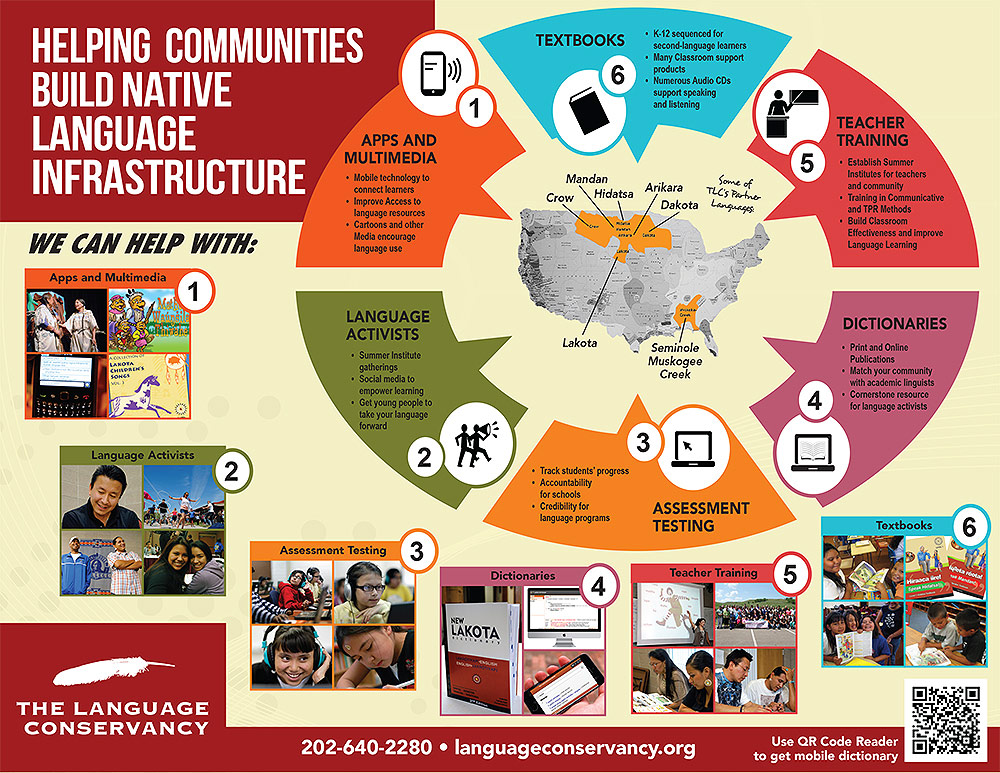
The Lakota Language Consortium has developed comprehensive learning materials, including textbooks, dictionaries, and online resources, making the Lakota language more accessible to learners both on and off reservations.
Funding and Resources: Powering the Movement
Sustaining language programs requires consistent funding. Sources typically include tribal funds, federal grants (such as those from the Administration for Native Americans, National Endowment for the Arts, and National Endowment for the Humanities), and private philanthropic foundations. Community fundraising also plays a vital role.
The Indispensable Role of Youth
Engaging younger generations is paramount. When youth embrace their ancestral language, they become the future teachers, parents, and community leaders who will ensure its continued use. Creating cool, relevant, and accessible ways for youth to learn is key.
Addressing Common Questions: Your Path to Understanding
Many ask, ‘What are the main challenges faced by indigenous language revitalization efforts?’ As discussed, these include the scarcity of fluent elders, limited funding, the dominance of English, and the lingering effects of historical trauma.
Another common query is, ‘How can technology aid in language preservation?’ Technology offers invaluable tools like mobile apps, online learning platforms, digital archives, and even AI to document, teach, and disseminate Indigenous languages widely.
The question, ‘Why is indigenous language revitalization important for cultural identity?’ underscores its core significance. Language is the primary carrier of culture, connecting individuals to their heritage, traditions, and unique worldview, fostering a strong sense of self and belonging.
‘What is a language nest?’ A language nest is an early childhood immersion program, typically for infants and toddlers, where children are immersed in an Indigenous language by fluent speakers, mimicking the natural language acquisition process within a family setting.
Future Outlook: Sustaining Momentum for Generations
The journey of language revitalization is a long-term commitment, often spanning generations. It requires unwavering dedication, inter-tribal collaboration, and ongoing innovation to adapt to new challenges and opportunities. The goal is not just to revive, but to normalize the use of Indigenous languages in everyday life.
As more individuals and families embrace their ancestral tongues, the collective effort builds momentum, fostering environments where these languages can not only survive but truly thrive, ensuring that the voices of the ancestors resonate for countless generations to come.
In conclusion, language revitalization on Indian Reservations is a powerful testament to the resilience and determination of Indigenous peoples. It is a complex, multifaceted endeavor that encompasses historical healing, cultural affirmation, and the reclamation of sovereignty. By supporting these vital efforts, we contribute to a more diverse, equitable, and linguistically rich world for everyone.


