 "Renewable Energy Projects On Indian Reservations")
Indian reservations, often located in areas rich in natural resources, are increasingly becoming hubs for renewable energy projects. These initiatives are not only addressing energy needs but also driving economic development and promoting environmental sustainability within tribal communities. This article delves into the transformative impact of renewable energy projects on Indian reservations, highlighting key initiatives, challenges, and future opportunities.
The Promise of Renewable Energy on Tribal Lands
For many Native American tribes, renewable energy represents a pathway to energy independence and economic self-sufficiency. Historically, many reservations have relied on fossil fuels, leading to environmental concerns and economic dependence. Renewable energy projects offer a cleaner, more sustainable alternative, leveraging resources like solar, wind, and hydropower to power homes, businesses, and community facilities.
Why Renewable Energy Matters for Indian Reservations
- Energy Independence: Renewable energy projects reduce reliance on external energy sources, giving tribes greater control over their energy supply and costs.
- Economic Development: These projects create jobs in construction, operation, and maintenance, fostering economic growth within tribal communities.
- Environmental Stewardship: Renewable energy reduces greenhouse gas emissions and minimizes environmental impact, aligning with tribal values of environmental preservation.
- Access to Funding: Various federal and state programs offer financial incentives and grants for renewable energy projects on tribal lands.
Key Renewable Energy Projects on Indian Reservations
Solar Power Initiatives
- The Moapa Band of Paiutes Solar Project: This project in Nevada is one of the largest solar power plants on tribal land, generating enough electricity to power thousands of homes. It exemplifies how tribes can become major players in the renewable energy sector.
- Navajo Nation Solar Projects: The Navajo Nation has implemented several solar projects to provide electricity to remote communities that lack access to the grid. These projects improve living conditions and promote energy independence.
Wind Energy Projects
- The Rosebud Sioux Tribe Wind Turbine: This project in South Dakota generates clean energy and provides revenue for the tribe. It demonstrates the potential of wind energy to drive economic development on tribal lands.
- The Tatanka Wind Farm: While not exclusively on tribal land, this wind farm involves several tribes and provides a significant source of renewable energy for the region.
Hydropower Projects
Tribes with access to rivers and streams are exploring hydropower as a renewable energy source. These projects can provide a reliable and sustainable source of electricity, though they require careful environmental assessment.
Geothermal Energy
Some tribes are also exploring geothermal resources for heating and electricity generation, leveraging the earth’s internal heat to power their communities.
Challenges and Opportunities
Financing and Investment
Securing funding for renewable energy projects can be difficult, especially for smaller tribes. Access to capital, grants, and tax incentives is crucial for overcoming this barrier.
Infrastructure and Grid Access
Many reservations lack the infrastructure needed to support large-scale renewable energy projects. Upgrading transmission lines and grid connections is essential for delivering electricity to market.
Regulatory and Permitting Issues
Navigating the regulatory and permitting process can be complex and time-consuming. Streamlining these processes can help accelerate renewable energy development on tribal lands.
Community Engagement and Education
Ensuring community support for renewable energy projects is essential. Education and outreach programs can help raise awareness about the benefits of renewable energy and address any concerns.
Opportunities for Growth
- Developing Microgrids: Microgrids can provide reliable electricity to remote communities, reducing reliance on the main grid.
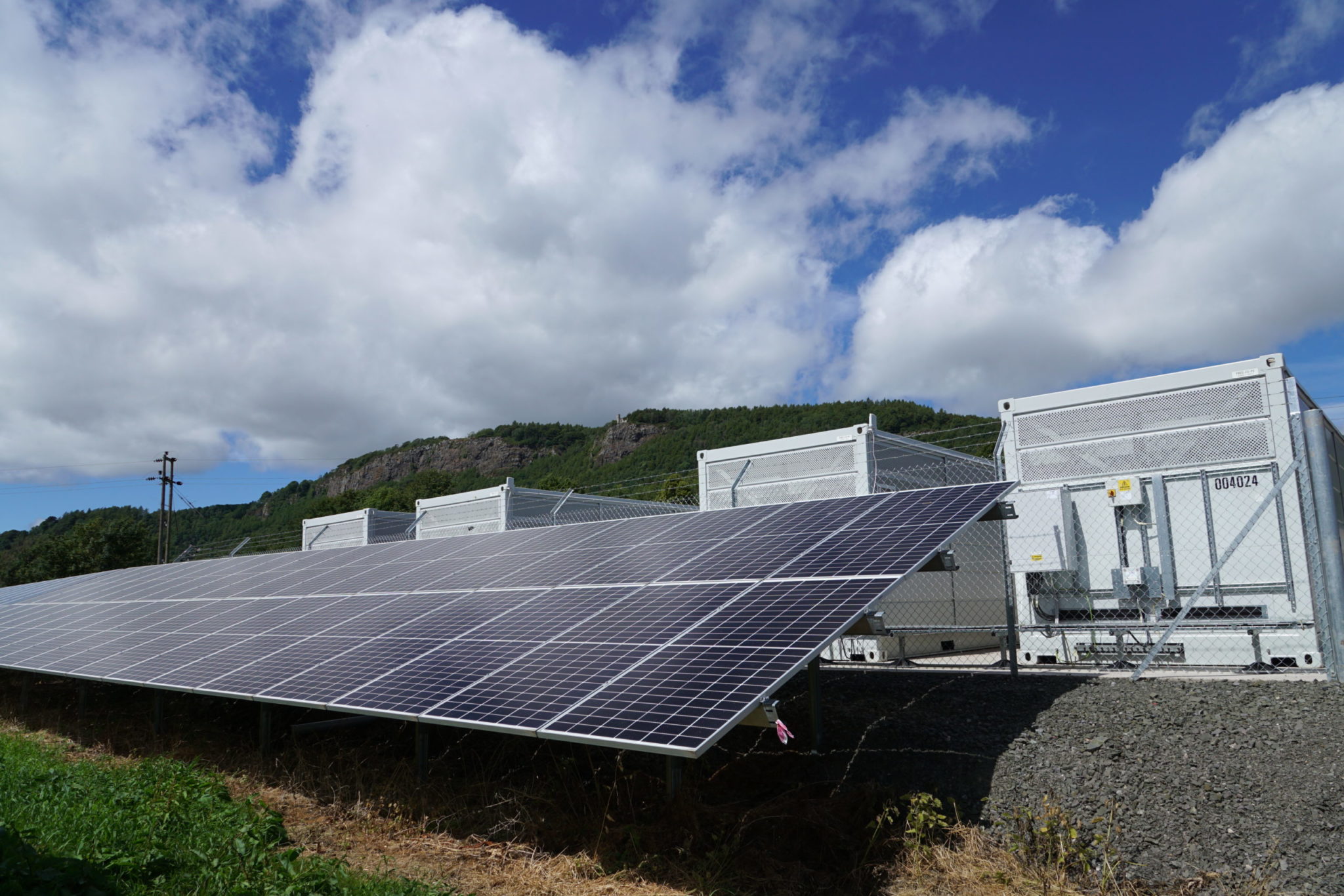
- Investing in Energy Storage: Energy storage technologies, such as batteries, can help store excess renewable energy for use when it is needed most.
- Creating Partnerships: Collaborating with utilities, private companies, and government agencies can provide access to expertise and resources.
- Promoting Energy Efficiency: Implementing energy efficiency measures can reduce energy consumption and lower costs.
Addressing Common Questions (People Also Ask)
What are the benefits of renewable energy for Indian reservations?
Renewable energy projects offer numerous benefits, including energy independence, economic development, environmental stewardship, and access to funding.
How can tribes finance renewable energy projects?
Tribes can finance renewable energy projects through a combination of grants, loans, tax incentives, and partnerships with private companies and government agencies.
What are the biggest challenges facing renewable energy development on tribal lands?
The biggest challenges include securing financing, upgrading infrastructure, navigating regulatory processes, and ensuring community support.
What types of renewable energy are most suitable for Indian reservations?
The most suitable types of renewable energy depend on the specific location and resources available. Solar, wind, and hydropower are all viable options.
How can renewable energy projects benefit tribal communities economically?
Renewable energy projects can create jobs, generate revenue, and reduce energy costs, leading to economic growth and self-sufficiency.
The Role of Government and Policy
- The Tribal Energy Program: This program provides grants and technical assistance to tribes for developing renewable energy projects.
- The Indian Energy Resource Center: This center offers resources and training to tribes on energy development and management.
- Tax Incentives: Federal tax incentives, such as the investment tax credit and production tax credit, can help reduce the cost of renewable energy projects.
Examples of Successful Projects
Several successful renewable energy projects on Indian reservations demonstrate the potential for transformative change. These projects serve as models for other tribes looking to develop their own renewable energy initiatives.
The Standing Rock Sioux Tribe’s Solar Project
The Standing Rock Sioux Tribe has implemented a solar project to power tribal buildings and homes. This project reduces the tribe’s reliance on fossil fuels and promotes energy independence.
The Southern Ute Indian Tribe’s Energy Efficiency Programs
The Southern Ute Indian Tribe has implemented energy efficiency programs to reduce energy consumption and lower costs. These programs include weatherization assistance and rebates for energy-efficient appliances.
The Future of Renewable Energy on Indian Reservations
The future of renewable energy on Indian reservations is bright. As technology advances and costs decline, renewable energy will become even more accessible and affordable. By embracing renewable energy, tribes can create a more sustainable and prosperous future for their communities.
Conclusion
Renewable energy projects are transforming Indian reservations across the United States, driving economic development, promoting environmental sustainability, and fostering energy independence. While challenges remain, the opportunities for growth are vast. By leveraging their natural resources and partnering with government, industry, and community stakeholders, tribes can harness the power of renewable energy to create a brighter future for generations to come. Embracing innovation, fostering collaboration, and prioritizing sustainability will pave the way for a new era of energy sovereignty on tribal lands.
- Renewable energy offers tribes a path to energy independence and economic self-sufficiency.
- Solar, wind, and hydropower are key renewable energy sources for tribal lands.
- Financing, infrastructure, and regulatory issues pose challenges to project development.
- Government policies and partnerships play a crucial role in supporting renewable energy initiatives.
- Successful projects demonstrate the potential for transformative change and serve as models for other tribes.


