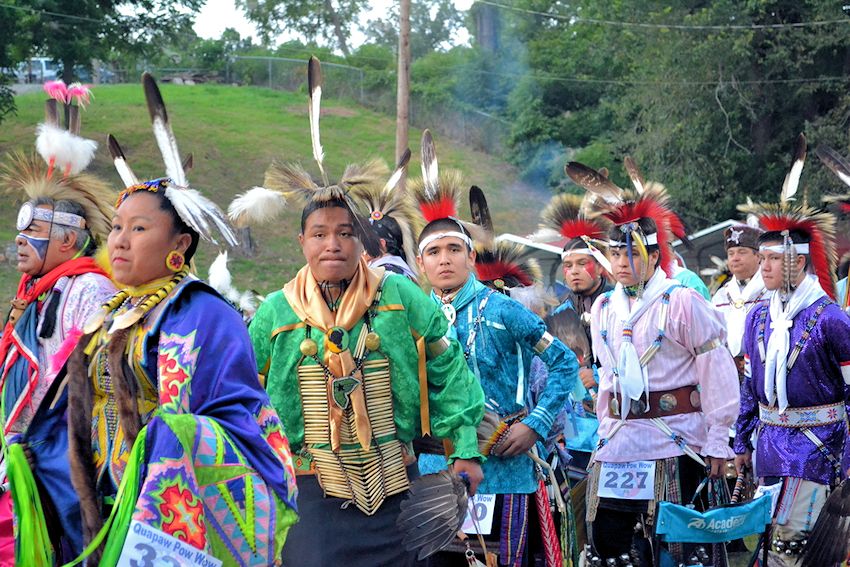
The Quapaw Nation, also known as the O-gah-pah, holds a significant place in the history and culture of Oklahoma. Their reservation, located in the northeastern corner of the state, is more than just a geographical location; it’s a vibrant center of heritage, community, and economic activity. This comprehensive guide will explore the various facets of the Quapaw Nation Reservation, providing insights into its past, present, and future.
Understanding the Historical Context
The Quapaw people have a long and storied history, predating European colonization. Originally residing in the lower Mississippi River Valley, they were a powerful and influential tribe. Over time, treaties and forced relocations led them to their current location in Oklahoma. Understanding this historical context is crucial to appreciating the resilience and determination of the Quapaw Nation.
Early History and Origins
The Quapaw, meaning "downstream people," are believed to be related to other Siouan-speaking tribes, including the Osage, Ponca, Omaha, and Kaw. Archaeological evidence suggests their presence in the Mississippi River Valley for centuries before European contact. They were known for their agricultural skills, complex social structures, and elaborate ceremonies.
Treaties and Relocations
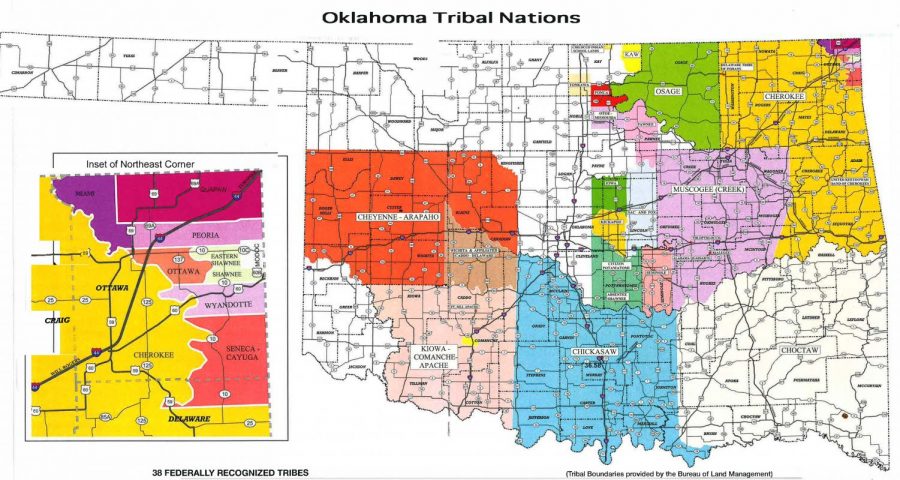
The arrival of European settlers brought significant challenges to the Quapaw. Treaties with the United States government in the early 19th century gradually reduced their territory. In 1833, they were forced to cede their lands in Arkansas and relocate to a reservation in present-day Oklahoma. This relocation, like many others imposed on Native American tribes, was fraught with hardship and loss.
Establishment of the Quapaw Nation Reservation
The Quapaw Nation Reservation in Oklahoma was formally established in the 19th century. Despite the challenges of adapting to a new environment and dealing with government policies, the Quapaw people persevered, maintaining their cultural identity and working to build a sustainable community.
The Geography and Environment of the Reservation
The Quapaw Nation Reservation is situated in Ottawa County, in the northeastern corner of Oklahoma. The landscape is characterized by rolling hills, woodlands, and waterways, providing a diverse ecosystem that supports a variety of plant and animal life. The Neosho River flows through the reservation, playing a vital role in the region’s ecology and economy.
Key Geographical Features
The reservation’s landscape includes fertile agricultural land, dense forests, and areas of prairie. The Neosho River, a major tributary of the Arkansas River, is a significant water source for the region. The climate is temperate, with warm summers and mild winters.
Environmental Conservation Efforts
The Quapaw Nation is actively involved in environmental conservation efforts to protect the natural resources within the reservation. These efforts include watershed management, reforestation projects, and the promotion of sustainable agricultural practices. The tribe recognizes the importance of preserving the environment for future generations.

Culture and Traditions of the Quapaw Nation
The Quapaw Nation has a rich and vibrant culture, deeply rooted in its history and traditions. Despite the challenges of assimilation and cultural loss, the Quapaw people have worked diligently to preserve their language, customs, and ceremonies. Today, cultural revitalization efforts are playing a crucial role in ensuring that these traditions continue to thrive.
Language and Storytelling
The Quapaw language, a Siouan dialect, is an integral part of the tribe’s cultural identity. Language revitalization programs are underway to teach the language to younger generations. Storytelling is also a vital tradition, with stories passed down through generations, preserving the tribe’s history, values, and beliefs.
Ceremonies and Celebrations
Traditional ceremonies and celebrations are an important aspect of Quapaw culture. These events often involve music, dance, and traditional foods. They provide opportunities for community members to come together, celebrate their heritage, and strengthen their bonds.
Arts and Crafts
The Quapaw Nation is known for its distinctive arts and crafts, including pottery, beadwork, and basketry. These crafts reflect the tribe’s artistic skills and cultural values. Traditional designs and techniques are passed down through families, ensuring the continuation of these art forms.
The Economic Landscape of the Quapaw Nation
The Quapaw Nation has made significant strides in economic development, creating opportunities for its members and contributing to the regional economy. The tribe operates a variety of businesses, including casinos, hotels, and agricultural enterprises. These businesses provide employment, generate revenue, and support community programs.
Gaming and Hospitality
Gaming and hospitality are major industries for the Quapaw Nation. The tribe operates the Downstream Casino Resort, a popular destination that attracts visitors from across the region. The casino provides employment opportunities and generates revenue that supports tribal government services and community development projects.
Agriculture and Natural Resources
Agriculture remains an important part of the Quapaw Nation’s economy. The tribe owns and operates agricultural land, producing crops and livestock. The management of natural resources, including water and timber, is also a key focus.
Business Development and Entrepreneurship
The Quapaw Nation is committed to promoting business development and entrepreneurship among its members. The tribe provides resources and support to help individuals start and grow their own businesses. This includes access to capital, training, and mentorship programs.
Government and Tribal Administration
The Quapaw Nation has its own government, responsible for administering tribal affairs and providing services to its members. The government is led by an elected tribal chairman and a tribal council. The tribal government works to protect the rights and interests of the Quapaw people and to promote their well-being.
Tribal Governance Structure
The Quapaw Nation’s government is structured to ensure accountability and transparency. The tribal chairman is the chief executive officer, responsible for overseeing the day-to-day operations of the government. The tribal council is the legislative body, responsible for enacting laws and policies.
Key Government Services
The Quapaw Nation government provides a wide range of services to its members, including healthcare, education, housing, and social services. These services are designed to improve the quality of life for Quapaw citizens and to promote their self-sufficiency.
Intergovernmental Relations
The Quapaw Nation maintains relationships with other tribal governments, as well as with state and federal agencies. These relationships are important for addressing issues of mutual concern and for advocating for the rights and interests of the Quapaw people.
Education and Community Development
Education and community development are key priorities for the Quapaw Nation. The tribe invests in educational programs and initiatives to ensure that its members have access to quality education and training. Community development projects are designed to improve infrastructure, create jobs, and enhance the overall quality of life.
Educational Initiatives
The Quapaw Nation supports a variety of educational initiatives, including scholarships, tutoring programs, and cultural education programs. These programs are designed to help students succeed in school and to preserve their cultural heritage.
Healthcare Services
Access to quality healthcare is essential for the well-being of the Quapaw community. The tribe operates a healthcare clinic that provides a range of medical services to its members. The tribe also works to promote healthy lifestyles and to prevent chronic diseases.
Community Infrastructure Projects
The Quapaw Nation invests in community infrastructure projects, such as roads, water systems, and community centers. These projects are designed to improve the quality of life for residents and to support economic development.
Tourism and Recreation Opportunities
The Quapaw Nation Reservation offers a variety of tourism and recreation opportunities. Visitors can explore the tribe’s cultural heritage, enjoy outdoor activities, and experience the natural beauty of the region. The Downstream Casino Resort is a major attraction, offering gaming, entertainment, and accommodations.
Cultural Tourism
Cultural tourism is an important part of the Quapaw Nation’s economy. Visitors can learn about the tribe’s history and culture by visiting the Quapaw Tribal Museum and attending cultural events. The tribe also offers guided tours of historical sites.
Outdoor Recreation
The Quapaw Nation Reservation offers a variety of outdoor recreation opportunities, including fishing, hunting, hiking, and camping. The Neosho River is a popular destination for fishing and boating. The reservation also has several parks and wildlife areas.
Challenges and Opportunities Facing the Quapaw Nation
Like many Native American tribes, the Quapaw Nation faces a variety of challenges, including poverty, unemployment, and health disparities. However, the tribe is also presented with numerous opportunities for economic development, cultural preservation, and community empowerment. By addressing these challenges and capitalizing on these opportunities, the Quapaw Nation can build a brighter future for its members.
Addressing Socioeconomic Challenges
The Quapaw Nation is working to address socioeconomic challenges by creating jobs, providing education and training opportunities, and improving access to healthcare. The tribe also supports programs that promote financial literacy and entrepreneurship.
Preserving Cultural Heritage
Preserving cultural heritage is a top priority for the Quapaw Nation. The tribe supports language revitalization programs, cultural education initiatives, and efforts to preserve historical sites and artifacts. The tribe also works to promote traditional arts and crafts.
Promoting Self-Determination
The Quapaw Nation is committed to promoting self-determination and exercising its sovereign rights. The tribe works to strengthen its government, manage its resources, and advocate for its interests. The tribe also seeks to build partnerships with other tribal governments, as well as with state and federal agencies.
Conclusion
The Quapaw Nation Reservation in Oklahoma is a testament to the resilience, cultural richness, and economic potential of the Quapaw people. From its historical roots to its modern-day endeavors, the Quapaw Nation continues to evolve while preserving its unique identity. By understanding its history, culture, and economic landscape, we gain a deeper appreciation for the contributions of the Quapaw Nation to Oklahoma and the broader American narrative. Their commitment to community, preservation, and progress shines as an example for all.
The Quapaw Nation’s story is one of perseverance, adaptation, and a deep connection to their heritage. As they continue to navigate the challenges and opportunities of the 21st century, their dedication to their people and their land remains unwavering.
Visiting the Quapaw Nation Reservation offers a unique opportunity to experience a vibrant culture and learn about the history of the Quapaw people. Whether you’re interested in cultural tourism, outdoor recreation, or economic development, the Quapaw Nation has something to offer everyone.


