
Development on Native American reservations is a complex landscape, intricately woven with issues of economics, infrastructure, environmental stewardship, and, most critically, tribal sovereignty. For tribal nations, sovereignty is not merely a legal concept; it is the inherent right to self-governance, cultural preservation, and self-determination that predates the formation of the United States.
Understanding and actively protecting this sovereignty is paramount for any development initiative to be successful, equitable, and respectful. Without a robust commitment to tribal self-determination, development projects risk undermining the very fabric of tribal communities and their ability to shape their own futures.
This comprehensive guide delves into the multifaceted aspects of tribal sovereignty in the context of reservation development, examining the legal foundations, common challenges, and proactive strategies tribal nations employ to assert their rights and guide their own progress.
The Foundation of Tribal Sovereignty
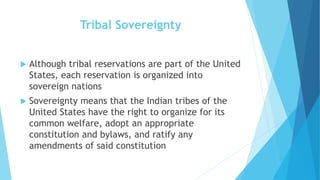
At its core, tribal sovereignty refers to the inherent authority of Indigenous tribes to govern themselves, their lands, and their people. This authority is not granted by the U.S. government but is an inherent right derived from their status as original nations with distinct cultures, histories, and political structures.
Federal Indian law recognizes tribal nations as ‘domestic dependent nations’ with unique government-to-government relationships with the United States. This status grants tribes powers of self-governance over their internal affairs, including the right to form governments, enact laws, administer justice, and regulate economic activity within their territories.

The concept of sovereignty is often misunderstood, leading to challenges in external dealings. It means tribes possess governmental powers similar to states, but with specific limitations defined by federal law and treaties. These powers are crucial for tribes to determine their own development paths.
Historical Context and Evolving Legal Frameworks
The history of tribal sovereignty in the U.S. is marked by periods of recognition, abrogation, and resurgence. Early Supreme Court cases like Cherokee Nation v. Georgia (1831) and Worcester v. Georgia (1832) laid some groundwork, acknowledging tribal sovereignty while simultaneously defining their ‘dependent’ status.
The 20th century saw significant shifts. The Indian Reorganization Act of 1934 aimed to reverse the damaging policies of allotment and encouraged tribal self-governance. Later, the self-determination era, catalyzed by the Indian Self-Determination and Education Assistance Act of 1975 (ISDEAA), empowered tribes to take control of federal programs and services.
Today, this framework continues to evolve, with ongoing legal battles and legislative efforts reinforcing tribal control over their lands, resources, and futures. Treaties, though often violated, remain legally binding documents that affirm tribal rights and define the government-to-government relationship.
Key Challenges to Sovereignty in Development
Despite legal recognition, tribal nations face numerous obstacles in exercising their sovereignty during development projects. These challenges often stem from a lack of understanding, jurisdictional complexities, and external pressures.
- Jurisdictional Ambiguity: The checkerboard land ownership patterns on many reservations, resulting from historical allotment policies, create complex jurisdictional puzzles. Who has authority over zoning, environmental regulation, or law enforcement can become a contentious issue, particularly when non-Native entities or individuals are involved.
- Funding Limitations: Access to capital and funding for large-scale development projects can be a significant hurdle. Tribal governments often lack the tax base of state or local governments, making external funding or creative financing models essential.
- External Pressures and Misinformation: Developers, state agencies, or neighboring communities may not fully understand or respect tribal sovereignty, leading to disputes over land use, resource extraction, or environmental impacts. Misinformation about tribal rights can fuel opposition.
- Regulatory Hurdles: Navigating federal, state, and tribal regulatory requirements can be cumbersome. Ensuring that tribal environmental laws and cultural resource protections are upheld alongside federal mandates requires careful coordination.
Strategies for Protecting Sovereignty in Development


Protecting tribal sovereignty is an active, ongoing process that requires strategic planning, legal expertise, and strong governance. Tribes employ a variety of methods to ensure their self-determination is honored in all development endeavors.
1. Strengthening Tribal Governance and Legal Capacity
A strong, well-defined tribal government is the bedrock of sovereignty. This includes developing robust tribal codes, comprehensive land use plans, and effective regulatory frameworks that reflect tribal values and priorities. Investing in legal counsel with expertise in federal Indian law is crucial for navigating complex agreements and disputes.
2. Tribal-Led Planning and Vision Setting
Development must be driven by the tribe’s own vision and long-term goals. This involves comprehensive community planning processes that engage tribal members, reflect cultural values, and prioritize sustainable growth. Master plans for housing, infrastructure, economic zones, and cultural preservation are vital tools.
3. Asserting Jurisdictional Authority
Tribes must proactively assert their jurisdiction over land use, environmental protection, business licensing, and taxation within their territories. This includes establishing tribal courts, law enforcement, and regulatory agencies capable of enforcing tribal laws and ordinances.
4. Strategic Economic Development Models
Economic development that enhances sovereignty often involves creating tribally-owned enterprises, fostering Native entrepreneurship, and forming partnerships that respect tribal control. Diversifying economies beyond gaming, into areas like renewable energy, tourism, manufacturing, and agriculture, strengthens self-sufficiency.
What are some examples of successful tribal economic development? Many tribes have developed highly successful enterprises, ranging from resorts and casinos to manufacturing plants, energy projects, and agricultural ventures. These projects are successful because they are tribally conceived, managed, and benefit the community directly.
5. Effective Intergovernmental Relations and Consultation
Establishing strong government-to-government relationships with federal, state, and local entities is essential. This requires consistent communication, formal consultation processes, and the negotiation of intergovernmental agreements (IGAs) that clarify jurisdictional roles and responsibilities.
Why is government-to-government consultation so important? Federal agencies have a trust responsibility to tribes, which includes consulting with tribal governments on projects that may affect tribal lands, resources, or cultural heritage. Proper consultation ensures tribal input is considered early and meaningfully, often preventing costly disputes.
6. Environmental and Cultural Resource Protection
Tribes are often the strongest advocates for environmental protection and cultural preservation. Integrating traditional ecological knowledge into land management, establishing tribal environmental protection agencies, and asserting authority under federal laws like the National Historic Preservation Act (NHPA) and the National Environmental Policy Act (NEPA) are key strategies.
Protecting sacred sites, ancestral lands, and traditional ecological practices is not just about environmentalism; it’s about preserving cultural identity and the spiritual well-being of the community. Development must be culturally sensitive and sustainable.
7. Educating External Partners and the Public
A significant part of protecting sovereignty involves educating non-tribal entities and the general public about tribal rights, history, and culture. This can help dispel myths, build understanding, and foster more respectful and productive relationships.
8. Resource Management and Self-Sufficiency
Taking control of natural resource management, including water rights, timber, minerals, and energy resources, is a direct expression of sovereignty. Developing tribal capacity to manage these resources sustainably ensures they benefit the tribe and future generations.
Conclusion: A Path Towards Empowered Self-Determination
Protecting tribal sovereignty in development on reservations is a continuous journey requiring vigilance, strategic action, and unwavering commitment. It is about more than just legal rights; it is about the fundamental right of tribal nations to determine their own destinies, preserve their cultures, and build prosperous, self-sufficient communities on their ancestral lands.
By strengthening governance, asserting jurisdiction, fostering tribal-led economic growth, engaging in effective intergovernmental relations, and prioritizing environmental and cultural stewardship, tribal nations are not just developing land; they are building a future rooted in their inherent sovereignty and guided by their unique visions.
The success of these efforts benefits not only tribal communities but also serves as a model for respectful, sustainable, and equitable development across all societies, demonstrating the enduring power of self-determination.