

The concept of environmental justice is fundamentally about ensuring that all people, regardless of race, origin, or income, have equal protection from environmental hazards and equal access to decision-making processes that affect their environment. While this principle applies universally, its application in the context of Indian Reservations across the United States reveals a deeply complex and often distressing reality.
For Indigenous communities, environmental justice is not merely an abstract ideal; it is a daily struggle for health, cultural preservation, and the future of their lands and peoples. Generations of systemic injustice have disproportionately burdened Native American reservations with pollution, resource exploitation, and the devastating impacts of climate change.
This article will delve into the multifaceted challenges faced by tribal nations in their quest for environmental justice, exploring the historical roots of these issues, the unique legal and sovereign status of tribes, and the ongoing efforts to protect their ancestral lands and secure a healthier future.
The Historical Legacy of Dispossession and Pollution
The current environmental injustices on Indian Reservations are not isolated incidents but rather a direct continuation of historical policies rooted in colonialism and land dispossession. For centuries, Indigenous peoples have witnessed their lands, waters, and sacred sites exploited for resource extraction, often without consent or adequate compensation.
Early federal policies forcibly relocated tribes to lands deemed ‘undesirable’ by settlers, inadvertently concentrating them in areas later targeted for industrial development, mining, or waste disposal. This historical trajectory laid the groundwork for today’s disproportionate environmental burdens.

Defining Environmental Justice in Indian Country
Environmental justice for Indigenous communities encompasses more than just the absence of pollution. It includes the protection of sacred lands, the preservation of traditional ecological knowledge (TEK), the right to self-determination over natural resources, and the ability to maintain cultural practices inextricably linked to the land and water.
It acknowledges that environmental degradation directly impacts spiritual well-being, traditional food systems, and the intergenerational transfer of knowledge, making the fight for environmental equity a fight for cultural survival.
Prevalence of Environmental Burdens on Reservations
- Mining Operations: Especially uranium, coal, and hardrock mining, leaving behind toxic tailings and contaminated water sources.
- Waste Facilities: Commercial landfills, hazardous waste dumps, and even proposed nuclear waste repositories are frequently sited near or on reservation borders.
- Fossil Fuel Extraction and Infrastructure: Oil and gas drilling, pipelines, and associated infrastructure often traverse or border tribal lands, leading to spills, air pollution, and disruption of ecosystems.
- Industrial Agriculture: Large-scale agricultural operations can lead to pesticide runoff and water contamination impacting tribal communities.
Devastating Health Disparities
The proximity to such environmental hazards has severe health consequences for tribal members. Rates of certain cancers, respiratory illnesses, birth defects, and autoimmune diseases are often elevated in communities living near polluted sites. Children and elders, in particular, are highly vulnerable to these impacts.
Contaminated water sources, for instance, can lead to chronic illnesses and a loss of traditional fishing and farming practices, further exacerbating food insecurity and reliance on external, often less healthy, food sources.
The Critical Role of Tribal Sovereignty

Tribal sovereignty is the inherent authority of Indigenous tribes to govern themselves, their lands, and their people. This includes the right to establish and enforce environmental regulations that may be more stringent than federal or state standards.
However, the exercise of this sovereignty is often challenged by complex jurisdictional issues, limited resources for enforcement, and the ongoing struggle to assert authority against powerful corporate interests and sometimes reluctant federal and state agencies. The lack of full recognition of tribal regulatory authority can create regulatory gaps that polluters exploit.
Federal Policies and Enforcement: Gaps and Opportunities
Federal agencies, particularly the Environmental Protection Agency (EPA), have a trust responsibility to tribal nations. The EPA’s Indian Policy recognizes tribal governments as the primary parties for setting environmental standards and making environmental decisions on reservations.
Despite this policy, enforcement can be inconsistent. Tribal environmental programs often receive insufficient funding compared to state programs, limiting their capacity to monitor pollution, conduct assessments, and enforce regulations effectively. Furthermore, federal consultation with tribes, while mandated, is frequently criticized for being inadequate or merely perfunctory.
Specific Challenges: Uranium Mining and Water Rights
The legacy of uranium mining on the Navajo Nation and other Southwestern tribes stands as a stark example of environmental injustice. Decades of unregulated mining left thousands of abandoned mines, contaminating water, air, and land, leading to widespread health problems and cultural disruption.
Water rights are another critical issue. Many tribes hold senior water rights, yet these rights are often unquantified or unenforced, leaving communities vulnerable to water scarcity, particularly in the face of climate change and increasing demand from non-tribal entities.
Climate Change: A Multiplier of Injustice
Indigenous communities are on the front lines of climate change, experiencing disproportionate impacts from rising sea levels, extreme weather events, drought, and wildfires. Their traditional ways of life, deeply connected to specific ecosystems, are particularly vulnerable.
Yet, these communities also possess invaluable traditional ecological knowledge (TEK) that offers profound insights into sustainable living and climate adaptation. Recognizing and integrating TEK into broader climate strategies is an essential component of environmental justice.
Community Activism and Advocacy: Voices for Change
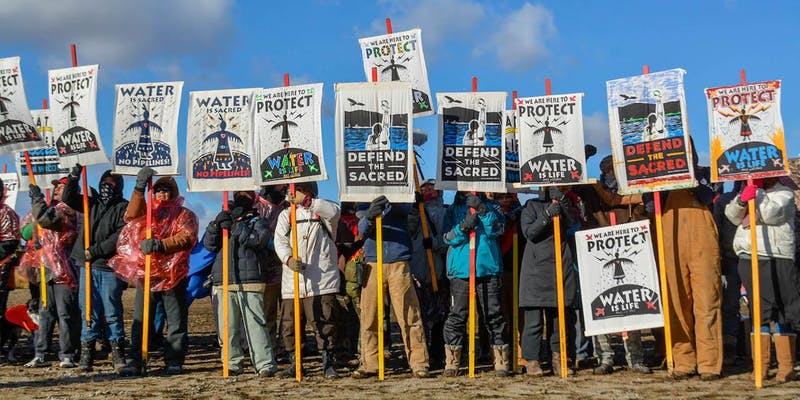
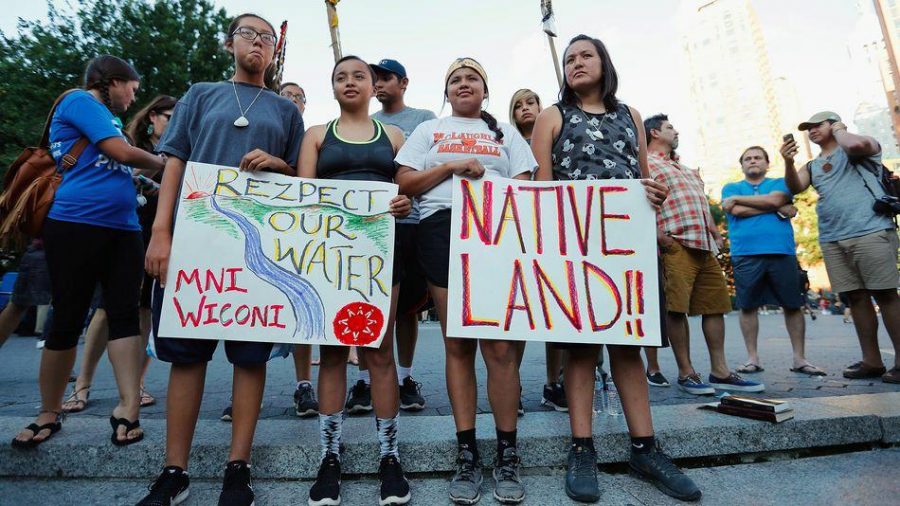
Across Indian Country, tribal communities are actively resisting environmental injustices through grassroots organizing, legal challenges, and advocacy. From pipeline protests to campaigns against toxic waste dumps, Indigenous voices are powerful forces for environmental protection and human rights.
Organizations like the Indigenous Environmental Network, Native American Rights Fund, and various inter-tribal councils play crucial roles in empowering communities, providing legal support, and amplifying Indigenous perspectives on environmental policy.
Pathways Towards Environmental Justice and Self-Determination
- Strengthening Tribal Self-Governance: Empowering tribes with full regulatory authority and adequate resources to manage and protect their environments.
- Improved Federal-Tribal Consultation: Ensuring meaningful, timely, and respectful consultation that incorporates tribal concerns and traditional knowledge from the outset of any project.
- Remediation and Restoration: Funding and implementing comprehensive cleanup efforts for legacy pollution sites, holding polluters accountable.
- Investment in Sustainable Tribal Economies: Supporting tribal efforts to develop renewable energy, sustainable agriculture, and eco-tourism that align with cultural values and protect the environment.
- Recognition of Indigenous Rights: Upholding treaty rights, water rights, and the right to free, prior, and informed consent.
- Environmental Education: Promoting awareness within and outside tribal communities about environmental issues and Indigenous perspectives.
Conclusion: A Collective Responsibility
Environmental justice on Indian Reservations is not just an Indigenous issue; it is a fundamental human rights issue and a test of our collective commitment to equity and sustainability. The historical injustices and ongoing environmental burdens faced by Native American communities demand urgent attention and systemic change.
By understanding the unique challenges, respecting tribal sovereignty, and supporting Indigenous-led solutions, we can work towards a future where all communities, including those on Indian Reservations, can thrive in healthy, vibrant, and culturally rich environments. The path to environmental justice is a journey toward true reconciliation and a more equitable world for everyone.
The wisdom of Indigenous peoples, honed over millennia of living in harmony with the land, offers invaluable lessons for addressing the environmental crises of our time. Embracing environmental justice for tribal nations is not just about correcting past wrongs; it’s about building a more sustainable and just future for all.


