Poverty on Indian Reservations is a multifaceted and deeply entrenched issue, stemming from centuries of historical trauma, systemic disenfranchisement, and ongoing economic challenges. Understanding these complexities is crucial for anyone seeking to grasp the full scope of economic disparities faced by Native American communities today.
This comprehensive article aims to shed light on the realities of poverty within tribal nations, examining the historical context, current statistics, underlying causes, and the resilient efforts being made by Indigenous communities to forge a path toward economic sovereignty and prosperity. Our goal is to provide an informative and nuanced perspective on a topic that often receives insufficient attention.
A Glimpse at the Numbers: Current Poverty Statistics
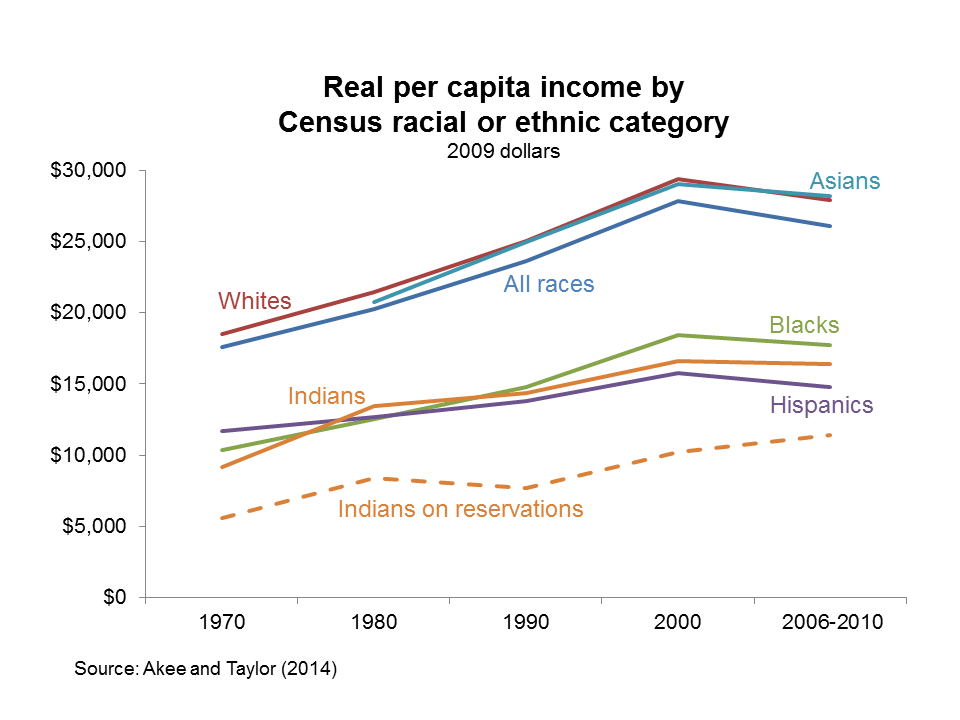
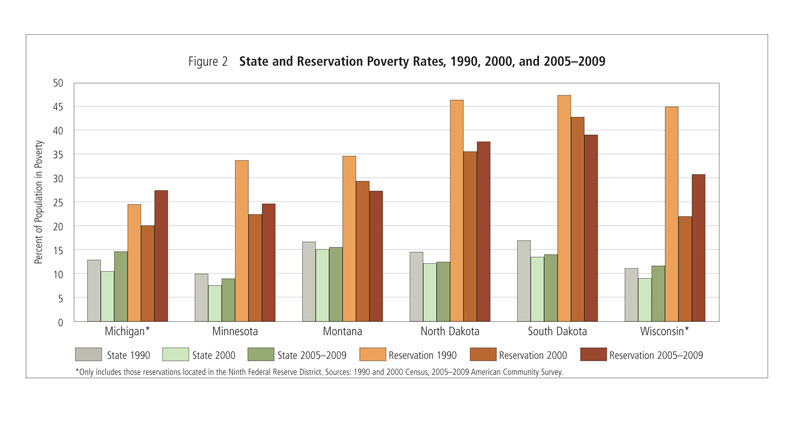
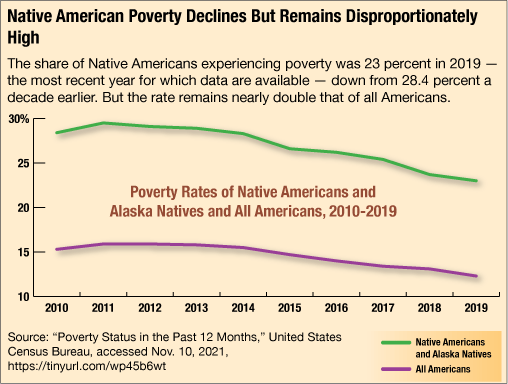
The statistics paint a stark picture. Native Americans consistently experience some of the highest poverty rates across all demographic groups in the United States. While national poverty rates fluctuate, Indigenous populations on reservations often face rates two to three times the national average, and sometimes even higher in specific regions.
According to data from the U.S. Census Bureau and other governmental reports, the median household income on many reservations is significantly lower than the national median. Unemployment rates frequently hover in the double digits, with some remote reservations experiencing rates exceeding 50% during certain periods.
These figures are not just numbers; they represent real families and communities struggling with daily necessities, highlighting a persistent economic crisis that demands urgent attention and thoughtful solutions. The disparity is not uniform, however; some tribal nations have achieved remarkable economic success, underscoring the diverse experiences within Indigenous America.
Historical Roots of Economic Disadvantage
To comprehend contemporary poverty on reservations, one must first understand its historical genesis. The economic challenges faced by Native American communities are not accidental; they are direct consequences of centuries of federal policies designed to dispossess, assimilate, and control Indigenous peoples.
Colonization and Land Dispossession: The initial acts of colonization led to the systematic seizure of vast Indigenous lands and resources, disrupting traditional economies based on hunting, gathering, and agriculture. Treaties, often broken, further confined tribes to smaller, less fertile territories.
Forced Relocation and Reservations: The establishment of reservations, often in remote and resource-poor areas, isolated Native American communities from emerging economic centers and infrastructure. This geographical isolation continues to be a major impediment to economic development.
Allotment Act and Resource Stripping: The Dawes Act of 1887, or the General Allotment Act, broke up communal tribal lands into individual plots, often selling off ‘surplus’ land to non-Native settlers. This policy further eroded tribal land bases and resource control, leading to significant wealth loss.
Federal Paternalism and Underdevelopment: For decades, federal policies often stifled tribal self-governance and economic initiative, creating a cycle of dependency. Bureaucratic oversight frequently hindered local economic growth and decision-making, rather than fostering it.
Key Contributing Factors to Ongoing Poverty
Beyond historical injustices, several interconnected factors perpetuate high poverty rates on Indian Reservations today. These challenges are systemic and require comprehensive, long-term strategies.
Lack of Economic Development Opportunities: Many reservations lack the infrastructure, capital, and market access necessary for robust business development. Limited access to broadband internet, reliable transportation, and financial services impedes entrepreneurship and job creation.
Geographic Isolation: Many reservations are located in remote areas, far from major urban centers, making it difficult to attract investment, access markets, and provide essential services. This isolation increases costs for goods and services, and limits employment options.
Inadequate Infrastructure: Basic infrastructure, including roads, water systems, housing, and telecommunications, is often substandard or entirely lacking. This infrastructure deficit is a significant barrier to both quality of life and economic progress.
Limited Access to Education and Healthcare: Underfunded reservation schools often struggle to provide quality education, impacting future employment prospects. Similarly, inadequate healthcare facilities and services contribute to poorer health outcomes, hindering productivity and well-being.
Sovereignty and Jurisdictional Complexities: While tribal sovereignty is a fundamental right, navigating complex jurisdictional issues between tribal, state, and federal governments can create legal and administrative hurdles for economic development and resource management.
Impact of Historical Trauma and Social Determinants: The intergenerational effects of historical trauma, including violence, displacement, and cultural suppression, continue to manifest in social challenges such as higher rates of substance abuse, mental health issues, and lower educational attainment, all of which impact economic stability.
Brain Drain: Talented and educated tribal members often leave reservations to pursue better educational and employment opportunities elsewhere, leading to a ‘brain drain’ that further deprives communities of crucial human capital.
Consequences of Persistent Poverty
The high rates of poverty on Indian Reservations have severe and far-reaching consequences for individuals, families, and entire communities. These impacts touch nearly every aspect of life.
- Health Disparities: Higher rates of chronic diseases (diabetes, heart disease), shorter life expectancies, and limited access to quality healthcare are common.
- Educational Attainment Gaps: Lower graduation rates, limited access to higher education, and fewer resources for academic success.
- Housing Insecurity: Overcrowding, substandard housing, and homelessness are prevalent issues on many reservations.
- Food Deserts: Lack of access to affordable, nutritious food options leads to poor diets and related health problems.
- Social Issues: Elevated rates of substance abuse, domestic violence, and crime are often linked to economic hardship and systemic issues.
Tribal Initiatives and Paths to Self-Sufficiency
Despite immense challenges, many tribal nations are actively pursuing innovative strategies to combat poverty and build sustainable economies. The principle of self-determination is central to these efforts.
Economic Diversification: Tribes are exploring a range of ventures beyond traditional industries, including:
- Gaming: While often successful, gaming is not a panacea and its viability depends on location and market.
- Tourism and Hospitality: Leveraging cultural heritage and natural beauty.
- Renewable Energy: Developing solar, wind, and geothermal projects, creating jobs and revenue.
- Agriculture and Ranching: Revitalizing traditional food systems and sustainable farming.
- Small Business Development: Supporting tribal entrepreneurs and local businesses.
Strengthening Education and Workforce Development: Investing in tribal colleges, vocational training programs, and early childhood education is critical for building a skilled workforce and fostering future leaders.
Infrastructure Development: Tribes are working to improve roads, expand broadband access, build affordable housing, and ensure access to clean water and sanitation, often through federal grants and tribal investments.
Cultural Preservation and Revitalization: Efforts to preserve languages, traditions, and cultural practices not only strengthen community identity but also contribute to economic development through cultural tourism and arts.
Building Strategic Partnerships: Collaborating with federal agencies, state governments, non-profits, and private sector entities can bring vital resources and expertise to reservation communities.
Addressing Common Questions (People Also Ask)
Many frequently asked questions about Native American poverty highlight the public’s desire for deeper understanding. Let’s address some of these directly within our discussion.
Why are Native American reservations so poor? As detailed, the poverty is a direct legacy of historical policies (land theft, forced relocation, assimilation) combined with ongoing systemic barriers like geographic isolation, lack of infrastructure, limited economic opportunities, and underfunded social services.
What is the average income on a reservation? While it varies significantly by reservation, the average household income on many reservations is substantially below the U.S. national average, often less than half. Specific figures can be found in U.S. Census Bureau reports, but generally indicate significant income disparity.
What percentage of Native Americans live below the poverty line? The poverty rate for Native Americans is consistently higher than the national average. Recent data often shows it to be around 20-25% nationally, but on many reservations, this figure can rise to 30%, 40%, or even higher, depending on the specific community and year.
What are the main challenges faced by Native American communities? Beyond poverty, communities face challenges related to health disparities, educational gaps, inadequate housing, environmental injustice, cultural erosion, and the struggle for full self-determination and recognition of treaty rights.
The Path Forward: Sustained Support and Self-Determination
Overcoming the deep-seated poverty on Indian Reservations requires a sustained, multi-pronged approach that respects tribal sovereignty and empowers Indigenous communities to lead their own development.
It necessitates continued federal investment in critical infrastructure, education, and healthcare, alongside policies that support tribal self-governance and economic diversification. Equally important is fostering partnerships that are built on mutual respect and understanding.
The resilience and determination of Native American communities are undeniable. By acknowledging the historical context, addressing the systemic barriers, and supporting tribal-led initiatives, we can collectively work towards a future where economic prosperity is a reality for all Indigenous peoples.
This journey is not just about numbers; it’s about justice, equity, and ensuring that all Americans, including the First Peoples of this land, have the opportunity to thrive.


