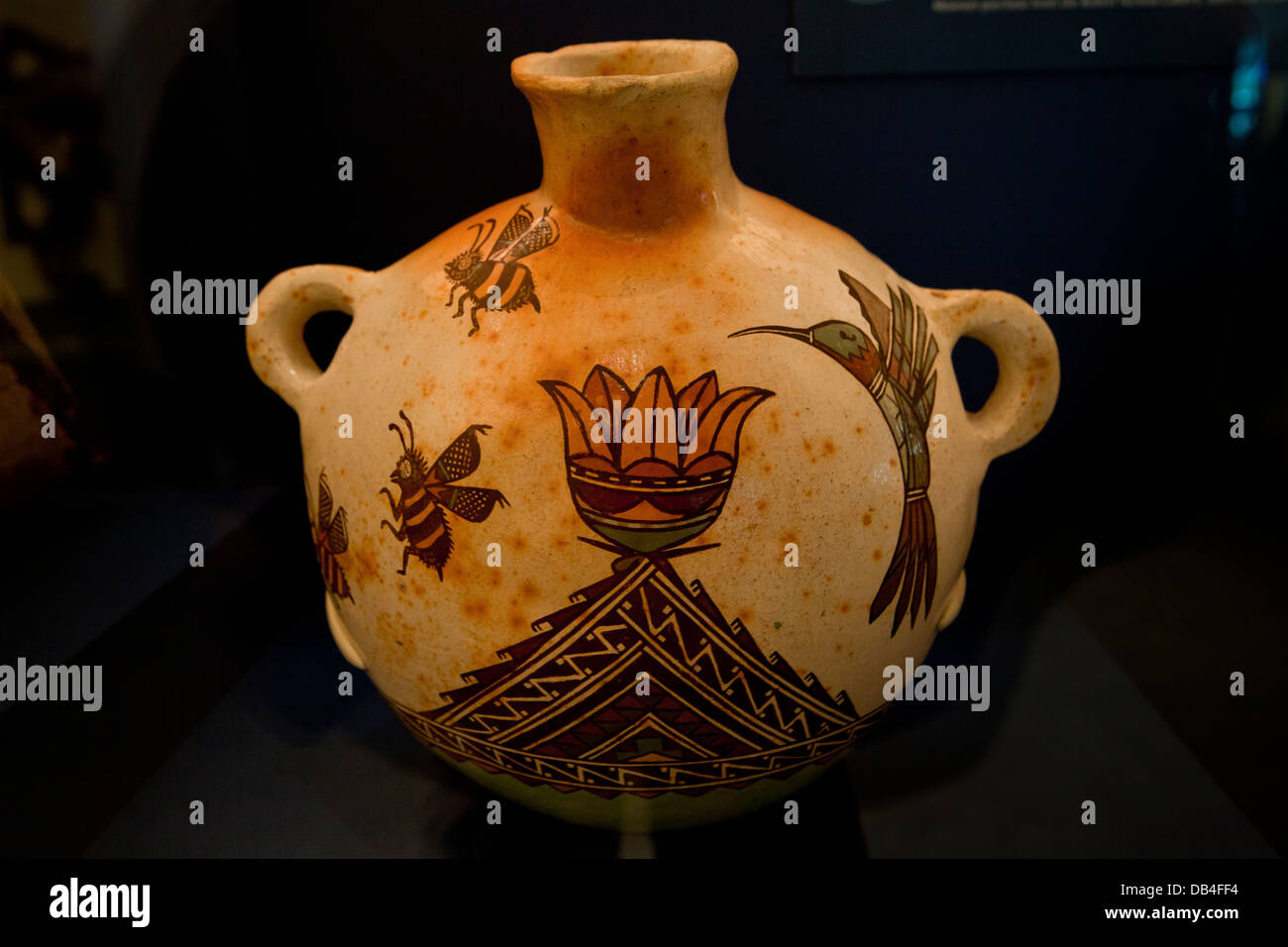
Pottery from Indian Reservations represents a vibrant and enduring art form, deeply intertwined with the history, culture, and traditions of Native American tribes across the United States. These handcrafted pieces are not merely decorative objects; they are tangible expressions of heritage, storytelling, and artistic skill passed down through generations. Understanding the nuances of this pottery requires appreciating its cultural context and the unique characteristics of each tribal tradition.
This comprehensive guide explores the diverse world of pottery from Indian Reservations, delving into its history, techniques, cultural significance, and the contemporary challenges and opportunities faced by Native American potters. Whether you are a collector, an art enthusiast, or simply curious about Native American culture, this article provides valuable insights into this captivating art form.
A Brief History of Pottery Making in Native American Cultures
Pottery making in Native American cultures dates back thousands of years, with archaeological evidence indicating its presence as early as 7500 BC. Initially, pottery served primarily utilitarian purposes, such as storing food and water, cooking, and serving meals. Over time, it evolved into a sophisticated art form, reflecting the unique aesthetics and spiritual beliefs of different tribes.
Early pottery techniques involved shaping clay by hand, using methods like coiling, pinching, and molding. The pottery was then fired in open pits or rudimentary kilns. Decorations were often applied using natural pigments derived from plants, minerals, and insects. These decorations held symbolic meanings, representing clan affiliations, religious beliefs, and historical events.
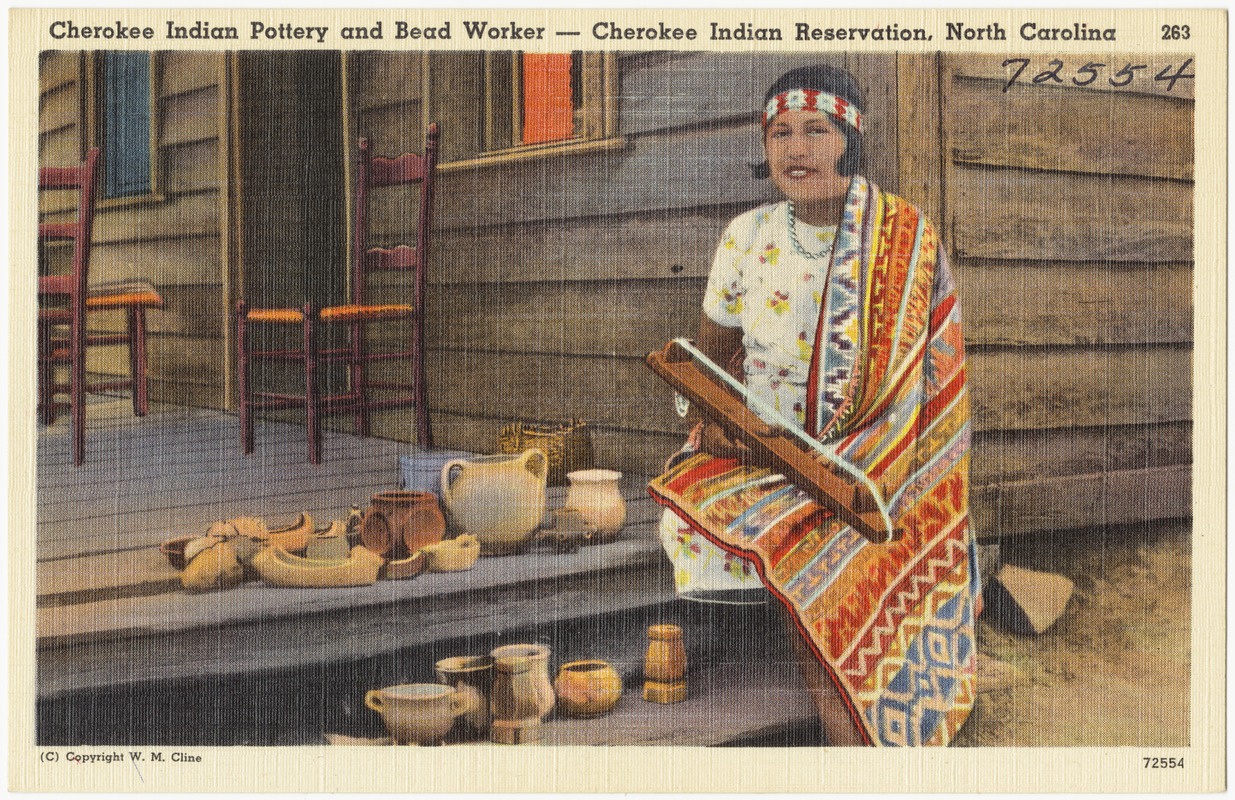
Different regions and tribes developed distinct pottery styles, influenced by local resources, environmental conditions, and cultural practices. For example, the Pueblo tribes of the Southwest are renowned for their intricate geometric designs and polychrome pottery, while the Cherokee of the Southeast are known for their burnished pottery with incised decorations.
Key Pottery Styles from Various Indian Reservations
Pueblo Pottery
- Acoma Pottery: Known for its thin walls, intricate geometric designs, and fine line painting. Acoma pottery often features black-on-white or polychrome designs.
- Santa Clara Pottery: Characterized by its smooth, polished surface and deeply carved designs. Santa Clara pottery is often black or red in color.
- San Ildefonso Pottery: Famous for its black-on-black pottery, developed by Maria Martinez and her husband Julian. San Ildefonso pottery often features stylized bird and animal motifs.
- Hopi Pottery: Known for its vibrant colors and depictions of kachinas (spiritual beings). Hopi pottery often features stylized designs and symbolic imagery.
Navajo Pottery
Navajo pottery is generally more utilitarian than Pueblo pottery, often used for cooking and storage. However, Navajo potters also create decorative pieces, often featuring earth-tone colors and simple designs.
Cherokee Pottery
Cherokee pottery is characterized by its burnished surface and incised decorations. Cherokee potters often use traditional designs, such as the weeping eye motif and the spiral pattern.
Other Tribal Pottery Styles
Numerous other tribes across the United States have their own distinct pottery styles, including the Seminole, the Choctaw, and the Lakota. Each style reflects the unique cultural heritage and artistic traditions of the tribe.
The Techniques and Materials Used in Pottery Making
The process of creating pottery from Indian Reservations involves several steps, each requiring skill and precision. The techniques and materials used vary depending on the tribe and the specific style of pottery.
Clay Preparation
The first step is to gather and prepare the clay. Native American potters traditionally source clay from local deposits, carefully selecting clay that is free of impurities. The clay is then cleaned, dried, and ground into a fine powder. Temper, such as sand, crushed pottery shards, or volcanic ash, is added to the clay to improve its workability and prevent cracking during firing.
Shaping and Molding
- Coiling: Rolling the clay into long coils and stacking them on top of each other to form the walls of the pot.
- Pinching: Shaping the clay by pinching and squeezing it between the fingers.
- Molding: Pressing the clay into a mold to create a desired shape.
Decorating
- Painting: Applying natural pigments to the surface of the pot using brushes made from yucca fibers or other plant materials.
- Incising: Carving designs into the surface of the pot using sharp tools.
- Burnishing: Polishing the surface of the pot with a smooth stone to create a glossy finish.
Firing
The final step is to fire the pot, which hardens the clay and makes it durable. Native American potters traditionally fire their pottery in open pits or rudimentary kilns, using wood or dung as fuel. The firing process can take several hours, and the temperature must be carefully controlled to prevent the pottery from cracking or exploding.
The Cultural Significance of Pottery
Pottery from Indian Reservations holds deep cultural significance for Native American tribes. It is not merely a craft; it is a form of cultural expression, storytelling, and spiritual connection.
Symbolism and Meaning
The designs and motifs used in Native American pottery often carry symbolic meanings, representing clan affiliations, religious beliefs, and historical events. For example, the Kokopelli, a fertility deity, is a common motif in Southwestern pottery. Animal motifs, such as birds, deer, and bears, are also frequently used, representing different aspects of the natural world.
Ceremonial Use
Pottery is often used in ceremonial contexts, such as religious rituals, dances, and celebrations. Special pots are created for specific ceremonies, and they are often decorated with sacred symbols and imagery.
Preservation of Tradition
Pottery making is a way for Native American tribes to preserve their cultural traditions and pass them on to future generations. By teaching their children the art of pottery making, they ensure that their cultural heritage will continue to thrive.
Contemporary Challenges and Opportunities
Economic Pressures
Many Native American potters struggle to make a living from their art. They often face competition from mass-produced pottery and cheap imitations. In addition, the cost of materials and supplies can be prohibitive.
Cultural Appropriation
Cultural appropriation is a growing concern for Native American potters. Non-Native artists often copy Native American designs and techniques without understanding or respecting their cultural significance. This can lead to the devaluation of authentic Native American pottery and the exploitation of Native American artists.
Preservation of Traditional Knowledge
Opportunities for Growth
Tips for Collecting Pottery from Indian Reservations
- Buy from Reputable Sources: Purchase pottery from reputable dealers, galleries, or directly from Native American potters. This will ensure that you are buying authentic pieces and supporting Native American artists.
- Do Your Research: Learn about the different styles and techniques of pottery from various tribes. This will help you appreciate the nuances of each piece and make informed purchasing decisions.
- Look for Authenticity: Examine the pottery carefully for signs of authenticity, such as the potter’s signature or tribal markings. Be wary of pieces that are mass-produced or made outside of Indian Reservations.
- Respect Cultural Significance: Remember that pottery from Indian Reservations is not merely a decorative object; it is a cultural artifact with deep meaning and significance. Treat it with respect and appreciation.
Conclusion
Pottery from Indian Reservations is a testament to the enduring creativity and cultural resilience of Native American tribes. These handcrafted pieces are not only beautiful works of art but also tangible expressions of history, tradition, and spiritual connection. By understanding and appreciating the cultural significance of this pottery, we can help support Native American artists and preserve their cultural heritage for future generations. Whether you are a seasoned collector or a curious observer, the world of pottery from Indian Reservations offers a rich and rewarding experience.
From the intricate designs of Acoma pottery to the burnished surfaces of Cherokee pottery, each piece tells a story of resilience, creativity, and cultural identity. As we continue to appreciate and support Native American artists, we honor the legacy of their ancestors and contribute to the preservation of their invaluable cultural heritage. The journey through the world of pottery from Indian Reservations is a journey through time, tradition, and the enduring spirit of Native American cultures.


