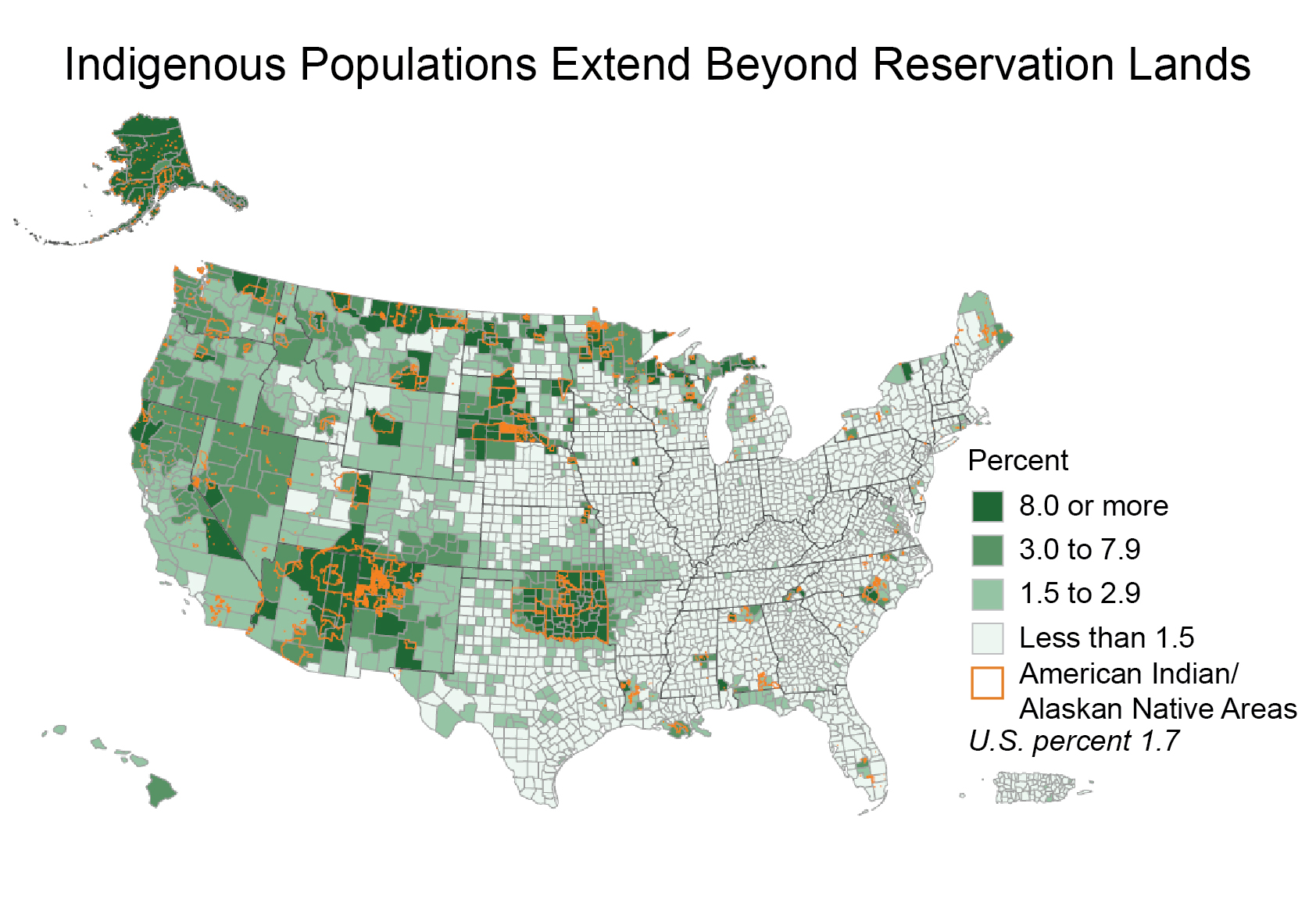
The landscape of the United States is rich with diverse cultures and histories, none more profound than those of its Indigenous peoples. Central to understanding their contemporary presence are the Indian reservations, lands set aside for federally recognized tribes. These areas are not merely geographical locations; they are vibrant, self-governing communities, each with unique cultural practices, governance structures, and, importantly, distinct populations.
Understanding the "Population of Indian Reservations by State" is more complex than a simple headcount. It involves delving into historical contexts, acknowledging the sovereignty of tribal nations, and navigating the nuances of demographic data collection. This article aims to provide a comprehensive overview, shedding light on the states with the largest Native American populations residing on tribal lands and the factors influencing these figures.
Before diving into specific numbers, it’s crucial to define what constitutes an "Indian Reservation" and its population. Federally recognized Indian reservations are areas of land managed by a Native American tribe under the U.S. Bureau of Indian Affairs, rather than the state governments of the U.S. in which they are physically located. The populations discussed often refer to individuals identifying as American Indian and Alaska Native (AIAN), either alone or in combination with other races, who reside within these designated tribal areas.
The history of Indian reservations in the United States is one of both displacement and resilience. Established primarily through treaties, executive orders, and acts of Congress, these lands were often remnants of ancestral territories. The policies that led to their formation significantly shaped where tribal nations are located today and, consequently, their population distribution.
Data collection for Indigenous populations, especially those on reservations, presents unique challenges. The U.S. Census Bureau is the primary source for demographic information, but tribal enrollment numbers, which define membership within a specific tribe, can differ from Census counts of residents. Furthermore, many Native Americans identify with multiple tribal affiliations or reside off-reservation while maintaining strong cultural ties.
Key States with Significant Reservation Populations

While Native American communities exist across all 50 states, certain states are home to particularly large and numerous reservations, leading to significant populations residing within their boundaries. These states often have a deeper historical connection to Indigenous peoples and have retained larger land bases for tribal nations.
Arizona: A Hub of Indigenous Life
Arizona stands out as a state with one of the largest Native American populations, both overall and specifically on reservations. It is home to 22 federally recognized tribes, and a substantial portion of the state’s land is tribal land. The Navajo Nation, the largest reservation in the U.S. by land area, spans parts of Arizona, New Mexico, and Utah, with a significant portion and population residing in Arizona.
Other prominent tribes in Arizona include the Tohono O’odham Nation, the Hopi Tribe, and the Ak-Chin Indian Community. The diverse landscapes of Arizona are mirrored by the diverse cultures and robust populations within its many tribal lands. The sheer size and number of reservations contribute to its leading position in reservation populations.
Oklahoma: A Unique Tribal Landscape
Oklahoma’s history is distinct, often referred to as ‘Indian Territory’ before statehood. Many tribes were forcibly relocated here during the Trail of Tears. Today, Oklahoma boasts 39 federally recognized tribes, more than any other state. While many tribal citizens live interspersed throughout the state rather than on traditional reservation boundaries (due to historical allotment policies), significant tribal populations are concentrated in specific areas that function similarly to reservations, often referred to as ‘tribal statistical areas’ or ‘Oklahoma Tribal Statistical Areas’ (OTSAs).
Tribes like the Cherokee Nation, Choctaw Nation, Chickasaw Nation, Muscogee (Creek) Nation, and Seminole Nation have immense populations and extensive infrastructure within Oklahoma, making it a state with a very high concentration of Indigenous residents.
New Mexico: Ancient Roots and Vibrant Communities
New Mexico is another state with a profound Indigenous presence, home to 23 federally recognized tribes, including 19 Pueblo nations, two Apache tribes, and parts of the Navajo Nation. The Pueblos, with their ancient traditions and distinct communities, contribute significantly to the state’s reservation population. The Navajo Nation’s presence here, coupled with the Mescalero Apache Tribe and Jicarilla Apache Nation, ensures a strong and visible tribal demographic.
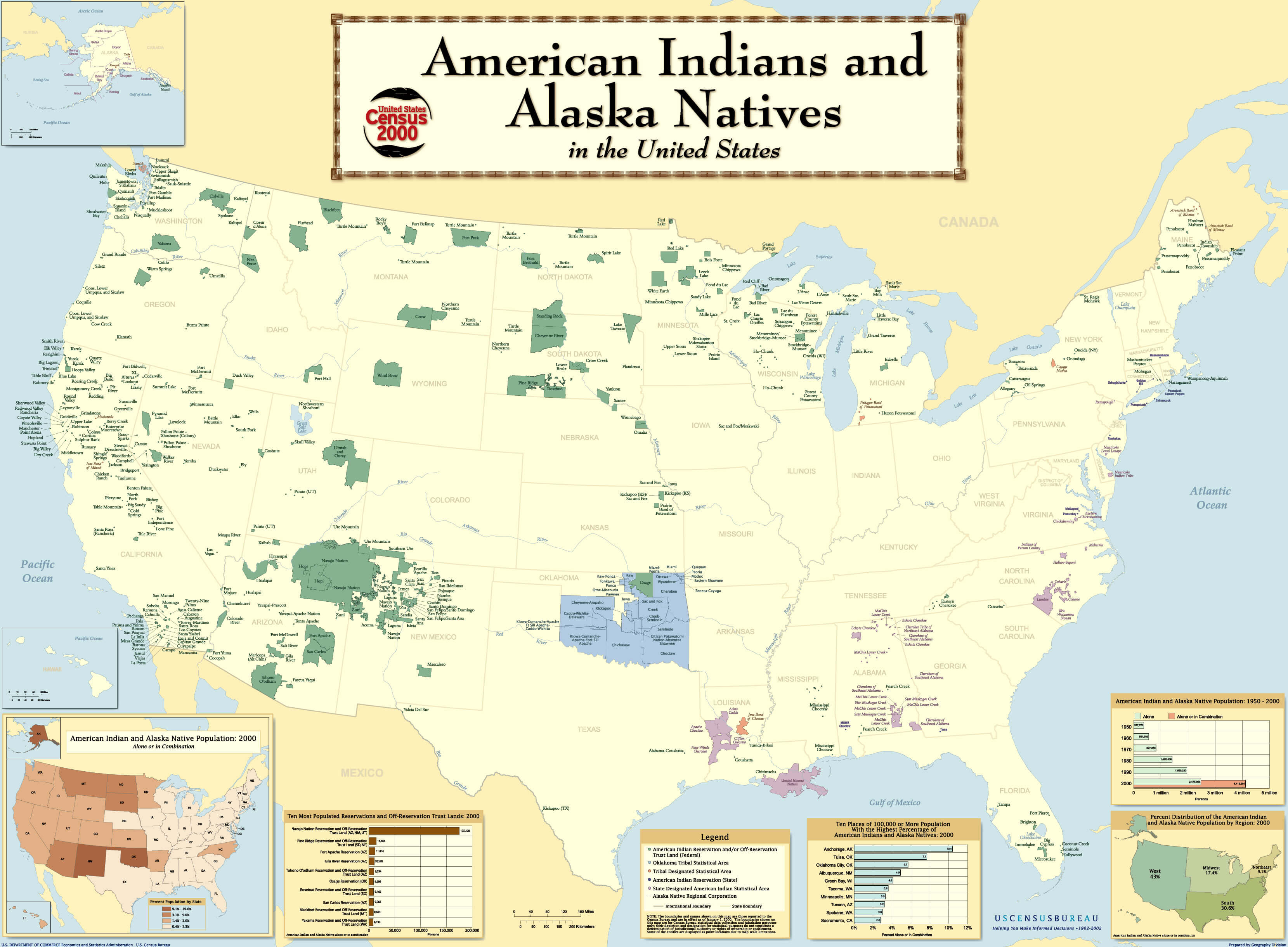
The unique cultural heritage and long-standing presence of these tribes make New Mexico a vital center for Indigenous life and population within reservation territories.
South Dakota: Home to the Great Sioux Nation
South Dakota is synonymous with the Great Sioux Nation. Reservations such as Pine Ridge, Rosebud, Cheyenne River, and Standing Rock (which extends into North Dakota) are major land areas with substantial populations. The Oglala Lakota, Sicangu Lakota, Hunkpapa Lakota, and other Dakota and Lakota peoples form the backbone of the state’s reservation demographics.
These reservations are among the largest in the country by land area and house significant communities, facing both unique challenges and preserving strong cultural identities.
California: Diverse Tribes, Varied Populations
California, surprisingly to some, has the most federally recognized tribes of any state, numbering over 100. While many of these reservations (often called ‘rancherias’) are smaller in land area compared to those in the Southwest or Plains, their sheer number and the state’s overall large Native American population mean a considerable number of Indigenous people reside on tribal lands. Tribes like the Pechanga Band of Luiseño Indians, Pala Band of Mission Indians, and many others contribute to a diverse reservation demographic.
The pattern in California is often one of numerous smaller, yet vibrant, tribal communities distributed across the state.
Other States with Notable Reservation Populations
- Montana: Home to seven reservations, including the Blackfeet Nation and Crow Nation, with considerable land areas and resident populations.
- Washington: Features numerous tribes, particularly along the coast and Puget Sound, such as the Yakama Nation and Lummi Nation.
- North Dakota: Shares the Standing Rock Reservation and is home to others like the Fort Berthold Indian Reservation (Mandan, Hidatsa, and Arikara Nation).
- Minnesota: Known for the Ojibwe (Chippewa) and Dakota nations, with reservations like Red Lake Nation and Leech Lake Band of Ojibwe.
- Wisconsin: Features tribes such as the Oneida Nation of Wisconsin and the Menominee Indian Tribe of Wisconsin.
Understanding Population Dynamics and Trends
The populations on Indian reservations are not static. They are influenced by various factors, including birth rates, migration patterns (both to and from urban areas), economic opportunities, and access to services like healthcare and education. Many younger tribal members may move to urban centers for work or higher education, while others return to their ancestral lands, contributing to a dynamic demographic flow.
The average population of an Indian reservation can vary wildly, from a few dozen residents on smaller rancherias to tens of thousands on larger tribal nations like the Navajo Nation. This diversity underscores the importance of looking beyond aggregated numbers and appreciating the unique circumstances of each sovereign nation.
People Also Ask: Common Questions Explored
Which state has the most Indian reservations?
California has the most federally recognized Indian reservations and rancherias, with over 100 distinct tribal land areas. However, these are often smaller in size compared to the large reservations found in states like Arizona or South Dakota.
What is the largest Native American reservation by population?
The Navajo Nation is generally considered the largest Native American reservation by population, with a significant portion of its over 300,000 enrolled members residing within its expansive territorial boundaries across Arizona, New Mexico, and Utah. Specific resident numbers vary by census year but consistently place it at the top.
How many Native Americans live on reservations?
According to the U.S. Census Bureau, approximately 22% of the total American Indian and Alaska Native population (alone or in combination) live on reservations or trust lands. This figure, from recent census data, highlights that while a substantial number reside on tribal lands, a majority live in urban or rural areas off-reservation.
What is the average population of an Indian reservation?
Calculating an ‘average’ population is challenging and can be misleading due to the extreme variance in reservation sizes and tribal structures. Populations can range from under 100 individuals on smaller rancherias to well over 100,000 residents on major reservations like the Navajo Nation. A more meaningful approach is to examine specific reservation populations.
What is the smallest Indian reservation?
Identifying the absolute ‘smallest’ can be tricky as definitions vary. However, many of California’s rancherias are among the smallest by land area and population, sometimes housing only a few dozen residents. For instance, the Pit River Tribe’s Big Bend Rancheria in California is often cited as one of the smallest, with a very limited land area and small resident population.
The Role of Tribal Sovereignty and Self-Determination
The populations on Indian reservations are inextricably linked to the concept of tribal sovereignty. These communities exercise self-governance, managing their own affairs, developing their economies, and providing essential services to their citizens. Population figures are critical for tribes in securing federal funding, negotiating with state and federal governments, and planning for future community needs.
Understanding these demographics is not just about numbers; it’s about recognizing the enduring presence and resilience of Indigenous peoples. It’s about acknowledging their contributions, challenges, and ongoing efforts to preserve their cultural heritage and achieve greater self-determination.
The economic development, healthcare infrastructure, and educational systems on reservations are all directly impacted by the size and characteristics of their resident populations. Investment in these areas is crucial for the well-being and prosperity of tribal citizens.
In conclusion, the population of Indian reservations by state is a multifaceted topic, reflecting a rich tapestry of history, culture, and contemporary life. States like Arizona, Oklahoma, New Mexico, South Dakota, and California emerge as key areas with significant Indigenous populations residing on tribal lands.
While data collection presents complexities, the U.S. Census Bureau provides valuable insights into these demographics. It is imperative to remember that each reservation represents a sovereign nation, and its population is a vital component of its identity and future.
By appreciating the diversity and dynamics of these populations, we gain a deeper understanding of the Indigenous experience in the United States and the importance of supporting tribal sovereignty and self-determination.


